Exploring the Variety of RVs Covered by State Farm Insurance
Explore the essentials of RV insurance with State Farm! Delve into the different types of RVs and discover which ones might be covered. Whether you own a motorhome, travel trailer, or camper van, understanding your options ensures peace of mind on the road.
Understanding RV Insurance with State Farm
Recreational Vehicles (RVs) present a unique blend of travel freedom and comfort, merging the open road with the comforts of home. However, like any vehicle, they require insurance to protect against potential damage or liability. State Farm is one of the insurers offering policies tailored to various types of RVs. This article explores the kinds of RVs insured by State Farm, delving into what coverage options are available, and what factors might affect your insurance decisions.
What Types of RVs Does State Farm Insure?
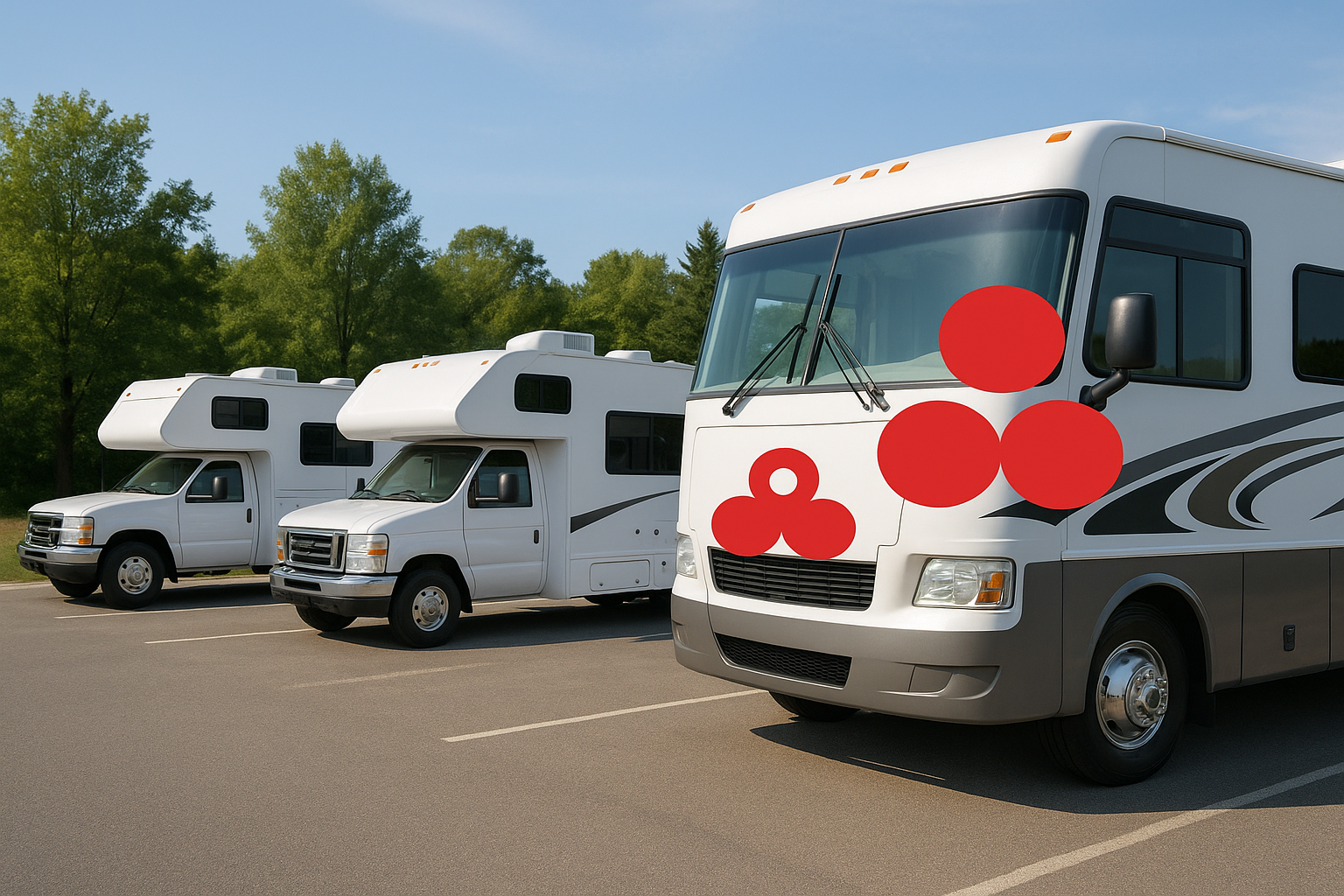
State Farm provides insurance for a wide array of RV types, ensuring that whether you're an adventurer with a compact camper or traveling in a luxurious motorhome, there's a policy that can be tailored to your needs. Here are the primary types of RVs State Farm covers:
- Class A Motorhomes: These are the most extensive and often the most luxurious RVs, resembling large buses and offering all the amenities of a home on wheels. Due to their size and value, having comprehensive insurance coverage is crucial.
- Class B Motorhomes: Also known as camper vans, these are smaller than Class A and provide easier maneuverability while still offering essential living amenities. They are typically more affordable to insure due to their compact nature.
- Class C Motorhomes: These RVs are characterized by a distinctive over-the-cab sleeping area, combining the size benefits of Class A with the ease of handling closer to Class B.
- Fifth-Wheel Trailers: Attached by a fifth wheel hitch mounted in the bed of a pickup truck, these trailers offer a luxurious traveling experience with spacious and customizable interiors.
- Travel Trailers: These versatile trailers can vary greatly in size and are towed by a standard vehicle, adding flexibility and affordability to the RV lifestyle.
- Expandable Trailers: Also known as hybrid trailers, these have expandable sections, providing more space once parked while maintaining a compact travel profile.
- Truck Campers: Installed directly onto the bed of a pickup, these campers are perfect for rugged adventures and remote camping with minimal setup.
What Coverage Options Are Available?
State Farm offers a variety of coverage options to ensure comprehensive protection for your RV adventures. Depending on the type of RV and its usage, you might consider the following:
- Collision Coverage: This covers damage to your RV resulting from a collision with another vehicle or object, which is crucial for on-the-road peace of mind.
- Comprehensive Coverage: Protects your RV from non-collision related incidents, such as theft, vandalism, or natural disasters – essential for safeguarding your investment.
- Liability Coverage: Covers bodily injury and property damage you may cause to others in the event of an accident, ensuring you're not personally liable for expensive claims.
- Uninsured/Underinsured Motorist Protection: This covers your expenses in accidents involving drivers who have no or insufficient insurance.
- Personal Injury Protection: A valuable option that covers medical expenses for you and your passengers, regardless of fault in an accident.
- Roadside Assistance: It's practical for any RV owner, providing services such as towing, jump starts, tire changes, and fuel delivery when needed.
Key Considerations When Insuring Your RV
Before choosing an RV insurance policy with State Farm, there are several considerations to keep in mind to select the coverage that best fits your needs:
- Usage: How often you plan to use your RV can significantly affect your insurance needs. Full-timers might require additional coverage compared to seasonal travelers.
- Value and Type: The worth and classification of your RV play a critical role in determining your premium and necessary coverage.
- Customization: Many RVs are customized with personal touches that add to their value. Ensure these modifications are reflected in your coverage to avoid underinsurance.
- State Regulations: Insurance requirements can vary by state, so verify local laws to ensure compliance.
Real-World Example: Insuring a Class A Motorhome
Imagine that you own a Class A motorhome valued at $150,000. It's outfitted with high-end appliances and technology for full-time living. Comprehensive insurance with collision coverage is critical to protect against significant financial loss. Additionally, roadside assistance offers reassurance during long journeys. Given its size and frequent use, liability coverage is essential to guard against potential accidents. This mix of coverage helps safeguard your investment and provides peace of mind on the road.
Conclusion
Insuring your RV with State Farm can offer the protection and peace of mind needed to enjoy your travels fully. By understanding the types of RVs insured, the available coverage options, and considerations for personalized policies, you can choose the right insurance that accommodates your lifestyle and safeguards your adventures. For more detailed information on planning your RV insurance, visit the resources provided by State Farm or consult an insurance specialist to tailor a package to your specific needs.
For further reading and recent updates on RV insurance trends and regulations, you may find these resources valuable:
- State Farm RV Insurance
- RV Insurance Overview
- National Association of Insurance Commissioners
- https://www.statefarm.com/insurance/motorhomes
https://www.statefarm.com/insurance/travel-trailers
https://www.statefarm.com/insurance/quotes