Exploring Top Intimate Devices for a Contemporary Lifestyle
Navigating the world of intimate devices can feel overwhelming, but finding the right one to fit your life shouldn't be. Today, these tools are designed for much more than just the bedroom; they’re about enhancing wellness, connection, and personal discovery.
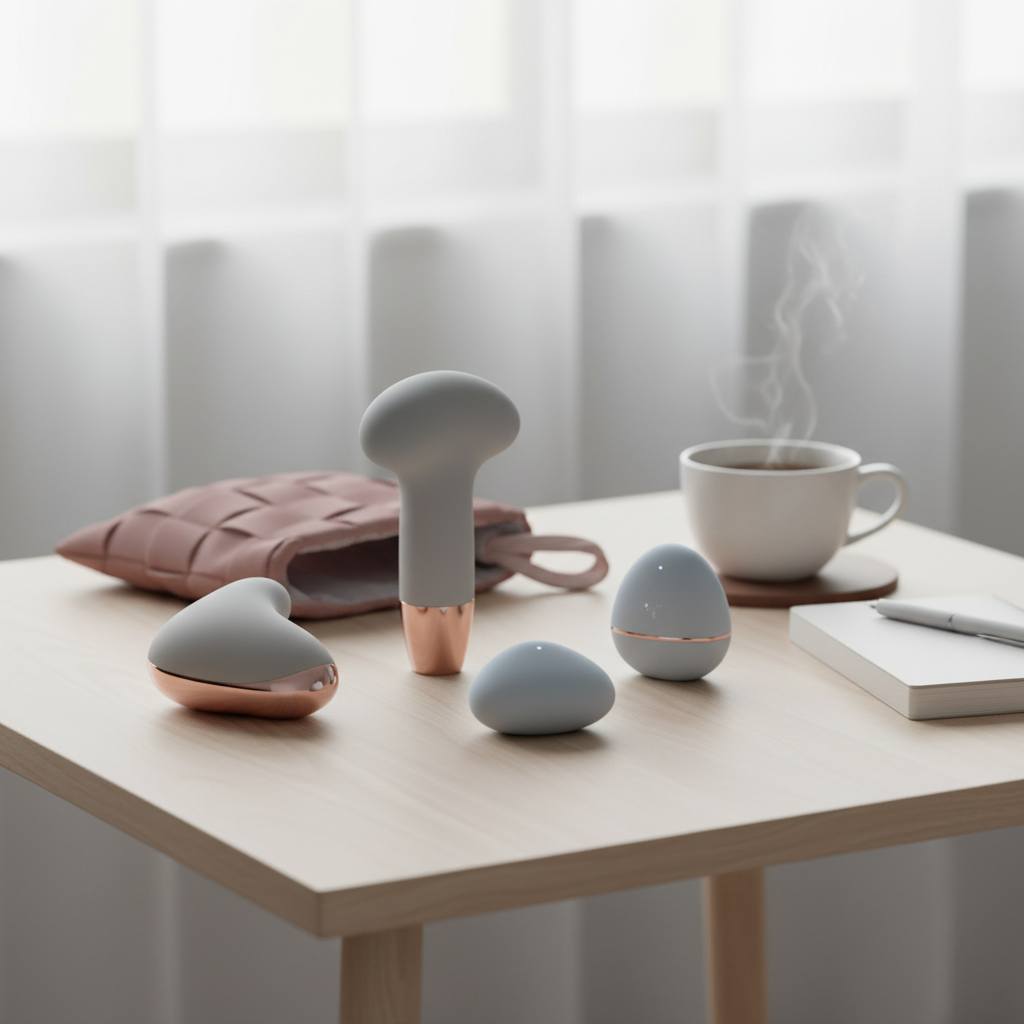
Popular Intimate Devices For Modern Lifestyles
Exploring Different Types of Intimate Devices
The world of personal wellness has expanded significantly, with a wide variety of intimate devices designed to suit different preferences and lifestyles. Understanding the main categories can help individuals make informed choices about what might work best for them. These devices are no longer one-size-fits-all; instead, they feature diverse designs, materials, and technologies aimed at enhancing personal exploration and pleasure. From classic designs to tech-integrated smart devices, the options cater to solo use, couples, and a range of anatomical considerations.
When exploring these options, key considerations often include the device's material, power source, size, shape, and specific function. Some are designed for external stimulation, others for internal, and many are versatile enough for both. The shift towards body-safe materials like medical-grade silicone has also become a standard, ensuring user safety and comfort. This guide provides an overview of some of the most popular types of intimate devices available today.
The Classic Vibrator
The classic vibrator is perhaps the most recognized type of intimate device. Traditionally phallic in shape, modern versions come in an incredible variety of forms, sizes, and colors. These devices are primarily designed for clitoral or G-spot stimulation and are often straightforward to use, making them a popular choice for beginners. Most classic vibrators are powered by batteries or are rechargeable via USB, offering different levels of convenience. They typically feature multiple vibration patterns and intensity levels, allowing users to customize their experience.
Materials for these devices have evolved from hard plastics to soft, body-safe silicone, which is non-porous, hypoallergenic, and easy to clean. Their simple functionality often includes a few buttons to cycle through modes and power the device on or off. The versatility of the classic vibrator makes it a staple, suitable for both solo exploration and integration into partner activities. Its enduring popularity is a testament to its effective and focused design.
Wand Massagers
Originally marketed as personal massagers for sore muscles, wand massagers quickly became popular for intimate use due to their powerful, rumbling vibrations. A wand massager is characterized by a large, spherical head on a long handle. This design delivers broad, deep vibrations rather than the pinpointed, buzzy sensations of smaller toys. This makes them exceptionally effective for external stimulation, particularly for individuals who prefer intense, widespread sensations over targeted ones.
Modern wands are often rechargeable, cordless, and made with body-safe silicone heads, a significant upgrade from the corded, plastic models of the past. They typically offer a range of speeds and patterns, all controlled through an intuitive interface on the handle. While their size can be intimidating for some, their power is unmatched in the world of intimate devices. They are also versatile enough to be used on other parts of the body for general muscle relaxation, staying true to their original purpose.
Suction-Based Toys
A relatively recent innovation, suction-based toys have gained immense popularity for their unique method of stimulation. Instead of traditional vibrations, these devices use air pressure to create a gentle sucking and pulsing sensation around the clitoris. Often called "air-pulse" stimulators, they are designed to provide a distinct feeling that many users find intensely pleasurable without direct contact. The opening of the device is placed over the clitoris, and the internal mechanism creates waves of pressure that mimic the sensation of oral stimulation.
These devices are almost always made from body-safe silicone and are ergonomically designed to be held comfortably. They come with various intensity levels, allowing users to start gently and build up to more powerful sensations. Because they don’t rely on direct rubbing or vibration, they offer a novel experience that can be particularly appealing for those who find traditional vibrators to be overwhelming or numbing. Most are also rechargeable and waterproof, making them easy to use and maintain.
Couples' Vibrators
Couples' vibrators are specifically designed to be used by two people simultaneously, often during penetrative sex. The most common design is a C-shape or U-shape, which allows one part of the device to be inserted into the vagina while the other part rests against the clitoris. This provides stimulation for both partners at the same time—the internal arm stimulating the G-spot and the external arm stimulating the clitoris. The presence of the toy can also create a tighter sensation for the penetrating partner.
These devices are typically made from flexible, body-safe silicone to ensure they are comfortable for both individuals. Many modern couples' vibrators are remote-controlled or app-controlled, allowing one partner to change the vibration patterns and intensities for the other, adding an extra layer of interactive fun. They are a fantastic way to introduce a new dynamic into the bedroom and enhance shared experiences by focusing on mutual pleasure.
App-Controlled Devices
The integration of technology has led to the rise of app-controlled or "smart" intimate devices. These toys connect to a smartphone via Bluetooth, opening up a world of customizable possibilities. Through a dedicated app, users can create their own vibration patterns, sync the device to music, or even give control to a partner who can be anywhere in the world. This feature makes them incredibly popular for long-distance relationships, allowing partners to connect intimately despite physical separation.
App-controlled devices come in all shapes and sizes, from classic vibrators to couples' toys and egg-shaped inserts. The app interface is usually user-friendly, offering features like pre-set patterns, touch-control modes, and even video chat integration. This level of personalization and connectivity represents the cutting edge of intimate technology, transforming a personal device into an interactive and shared experience. Security and privacy are key considerations, and reputable brands use secure connections to protect user data.
The Evolution of Personal Wellness Devices
The journey of intimate devices from taboo, hidden objects to mainstream wellness tools is a reflection of changing societal attitudes towards sexuality and self-care. Historically, these items were often sold discreetly and were associated with stigma. The earliest electric vibrator, invented in the late 19th century, was marketed as a medical device to treat a variety of ailments. It wasn't until much later in the 20th century that their use for personal pleasure became more openly acknowledged, largely thanks to feminist movements that championed female sexuality.
In recent decades, three major factors have accelerated this evolution: material science, technology, and branding. The shift from porous, potentially unsafe materials like jelly and hard plastic to non-porous, hypoallergenic, medical-grade silicone has been a game-changer for safety and hygiene. Technologically, the move from disposable batteries to USB rechargeable lithium-ion batteries has made devices more convenient and environmentally friendly. Furthermore, the advent of Bluetooth and app integration has created new possibilities for connection and customization. Finally, modern brands have successfully repositioned these products as elegant, sophisticated lifestyle and wellness accessories, moving away from novelty-store aesthetics and toward designs that look at home on a nightstand.
Understanding Key Features and Materials
Navigating the options available can be easier when you understand the terminology and features that define these products. From the materials they are made of to their water-resistance ratings, these details have a significant impact on safety, durability, and overall user experience.
What Are Body-Safe Materials?
The term "body-safe" refers to materials that are non-porous, phthalate-free, and hypoallergenic, meaning they are safe for internal and external use without causing irritation or harboring harmful bacteria. The most common and highly recommended body-safe material is 100% medical-grade silicone. Silicone is velvety-soft to the touch, holds temperature well, is extremely durable, and is non-porous, which makes it very easy to clean thoroughly. It's important to note that silicone-based lubricants should not be used with silicone toys, as they can degrade the material over time; a water-based lubricant is the correct choice.
Other body-safe materials include glass and certain types of metal like stainless steel. Glass is non-porous, beautiful, and can be warmed or cooled for temperature play, but it is fragile. Stainless steel is also non-porous, durable, and has a satisfying weight to it. On the other hand, materials like jelly, PVC, and TPR (thermoplastic rubber) are porous. This means they have microscopic holes that can trap bacteria, making them difficult to sanitize completely. While often cheaper, they are generally not recommended for intimate use, especially internally.
How Does Device Maintenance Work?
Proper cleaning and storage are essential for ensuring the hygiene and longevity of any intimate device. The cleaning process is straightforward but crucial. Before and after each use, the device should be washed with warm water and a specialized toy cleaner or a gentle, unscented, anti-bacterial soap. Avoid harsh chemicals or dish soaps, as they can damage the material, particularly silicone. After washing, rinse it thoroughly to remove any soap residue and pat it dry with a clean, lint-free cloth or let it air dry completely.
Storage is just as important. Once the device is completely dry, it should be stored in a clean, dry place away from direct sunlight and extreme temperatures. A dedicated pouch or box is ideal. It's also important to store devices separately, especially those made of different materials. Some materials, particularly softer silicones and jelly-like substances, can react with each other and become sticky or melt if left in contact. Proper maintenance not only ensures safety but also protects your investment, keeping the device in good working condition for years.
What's the Difference Between Waterproof and Water-Resistant?
The terms "waterproof" and "water-resistant" are often used interchangeably, but they signify different levels of protection against water. A water-resistant device can handle splashes of water, such as during cleaning under a running tap. It is designed to resist water penetration to some degree but is not meant to be fully submerged.
A waterproof device, on the other hand, is designed to be completely submerged in water without sustaining damage. This is often indicated by an IP (Ingress Protection) rating. For example, a rating of IPX7 means the device can be submerged in up to one meter of water for 30 minutes. This makes it safe for use in the bath or shower, which many people enjoy. Fully waterproof devices are also generally easier to clean, as you don't have to worry about damaging the electronics while washing them. Always check the manufacturer's specifications to understand the exact level of water protection your device has.
Final Thoughts on Personal Wellness Exploration
The modern landscape of intimate devices reflects a broader cultural shift towards embracing personal wellness and self-exploration. With an emphasis on sophisticated design, body-safe materials, and innovative technology, today's products offer a wide range of options to suit nearly every preference and lifestyle. From the straightforward power of a wand massager to the connected experience of an app-controlled device, the choices are more diverse and accessible than ever. Understanding the different types, materials, and features empowers individuals to make choices that are safe, enjoyable, and well-suited to their personal journey.