Exploring Top Supplements for Improving Sleep Quality
Finding the right supplement to improve your deep sleep can feel overwhelming with countless options on the market. To make it simple, we've analyzed the science behind the most popular and effective ingredients available today.
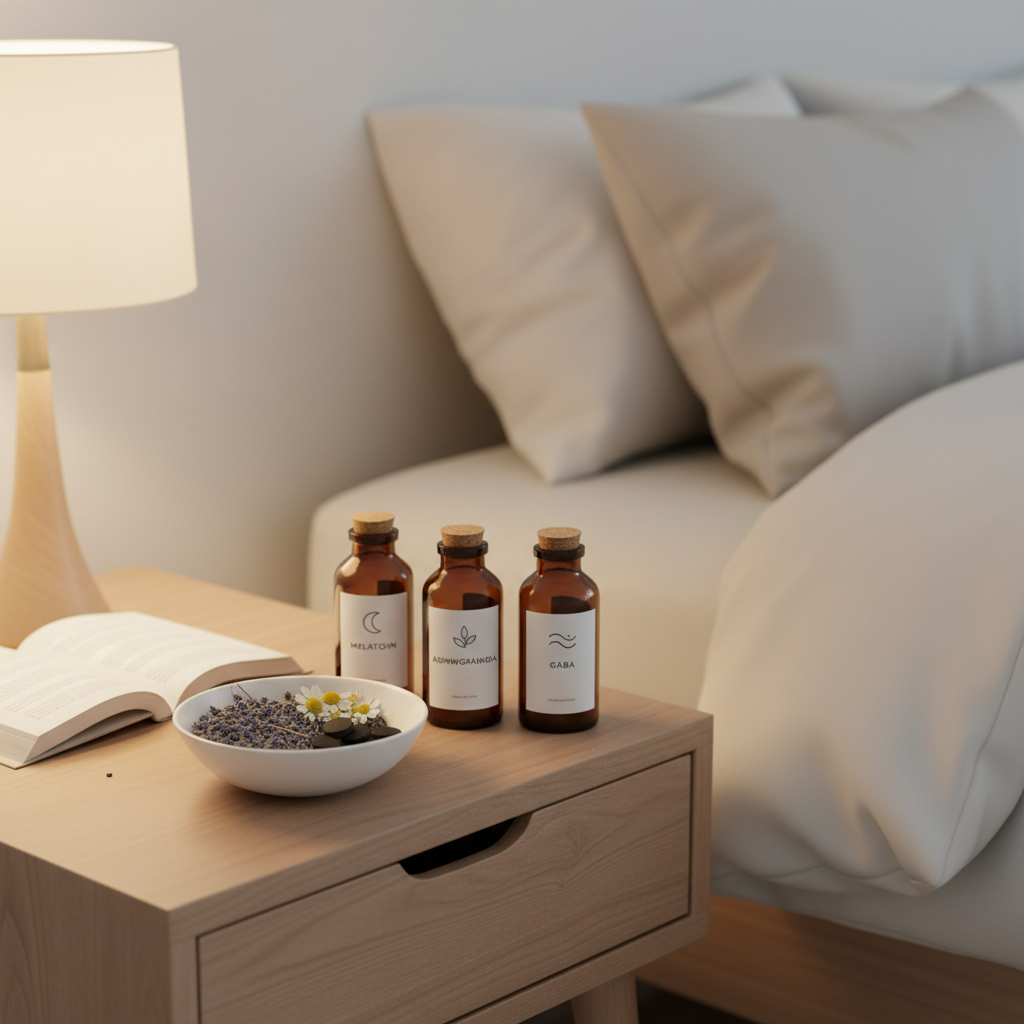
The Best Supplements for Achieving Deeper Sleep
Achieving deep, restorative sleep is a cornerstone of overall health, yet millions struggle to get the quality rest they need. While lifestyle changes are paramount, certain supplements have gained recognition for their potential to support the body's natural sleep processes. These compounds work in various ways, from calming the nervous system to regulating the sleep-wake cycle. Understanding how each one functions can help you make an informed decision about what might work best for your needs. Below, we explore some of the most effective and well-researched supplements for promoting deep sleep.
1. Magnesium
Magnesium is an essential mineral that plays a crucial role in over 300 enzymatic reactions in the human body, including those that affect sleep. Its primary function in promoting rest is its ability to regulate neurotransmitters that send signals throughout the nervous system and brain. Specifically, magnesium helps calm nerve activity by binding to GABA (gamma-aminobutyric acid) receptors, which are responsible for quieting down nerve activity. A calm nervous system is a prerequisite for falling and staying asleep. Furthermore, magnesium helps regulate the hormone melatonin, which guides the body's sleep-wake cycles.
A deficiency in magnesium has been linked to troubled sleep and even insomnia. Supplementing with magnesium, particularly forms like magnesium glycinate or magnesium citrate, may help improve sleep quality by increasing the duration of deep sleep and reducing nighttime awakenings. It's known for its muscle-relaxing properties, which can also contribute to a more restful state by alleviating physical tension and restlessness before bed. Many people find that taking magnesium an hour or two before sleep helps them feel more relaxed and prepared for a night of profound rest.
2. Melatonin
Often referred to as the "sleep hormone," melatonin is a natural hormone produced by the pineal gland in your brain in response to darkness. Its main job is to regulate your circadian rhythm, which is the body's internal 24-hour clock that controls when you feel sleepy and when you feel alert. When the sun sets and light exposure decreases, melatonin levels rise, signaling to your body that it's time to wind down and prepare for sleep. This process is essential for initiating sleep.
While the body produces its own melatonin, supplementation can be particularly useful for individuals whose natural cycle is disrupted, such as shift workers, travelers dealing with jet lag, or older adults whose melatonin production has declined. Melatonin supplements are most effective at helping people fall asleep faster rather than staying asleep, but by helping to reset the body's internal clock, they can contribute to a more regular and higher-quality sleep pattern overall. It's generally recommended to start with a very low dose, as taking too much can sometimes lead to side effects like grogginess the next day.
3. L-Theanine
L-theanine is an amino acid found primarily in green and black tea leaves. Unlike many other sleep aids, it does not act as a sedative. Instead, it promotes relaxation and reduces stress without causing drowsiness. It works by increasing the levels of calming brain chemicals like GABA, serotonin, and dopamine. At the same time, it can reduce the levels of brain chemicals associated with stress and anxiety, such as cortisol. This calming effect makes it easier to fall asleep and can improve the overall quality of your rest.
One of the key benefits of L-theanine is its ability to increase alpha brain waves, which are associated with a state of "wakeful relaxation"—the state you might be in during meditation. This mental calmness can help quiet a racing mind at bedtime, allowing you to drift off more easily. Because it doesn't cause sedation, L-theanine can be taken during the day to manage stress and anxiety, or at night to support a peaceful transition into sleep. It is often combined with other supplements like magnesium or GABA to enhance its sleep-promoting effects.
4. Valerian Root
Valerian root is an herb that has been used for centuries as a natural remedy for anxiety and sleep disorders. The exact mechanism isn't fully understood, but it is believed that compounds in valerian root, such as valerenic acid, may increase the amount of GABA in the brain. By inhibiting the breakdown of GABA, valerian root helps produce a calming effect on the nervous system, similar to the way anti-anxiety medications work. This can lead to feelings of tranquility and relaxation, making it easier to fall asleep.
Studies on valerian root have shown mixed but generally positive results, with many users reporting that it helps them fall asleep faster and experience fewer nighttime awakenings. It seems to be most effective when taken consistently over a period of at least two weeks, rather than as a one-time sleep aid. The effects of valerian are typically mild, making it a popular choice for those seeking a gentle alternative to stronger sleep aids. It is often recommended for individuals whose sleep problems are linked to anxiety or nervousness.
5. Glycine
Glycine is an amino acid that plays a vital role in the central nervous system. It acts as an inhibitory neurotransmitter, meaning it can help calm brain activity. When taken as a supplement before bed, glycine has been shown to improve sleep quality by lowering the body's core temperature. A slight drop in core body temperature is a natural physiological signal that helps initiate and maintain sleep. By facilitating this process, glycine can help you fall asleep more quickly and spend more time in the deepest, most restorative stages of sleep.
Research suggests that glycine not only improves subjective sleep quality but also reduces daytime sleepiness and improves cognitive performance the following day. Unlike some sleep medications that can leave you feeling groggy, glycine appears to promote a cleaner, more refreshing sleep. Users often report feeling more clear-headed and energetic after taking glycine the night before. It is easily dissolved in water and has a slightly sweet taste, making it simple to incorporate into a bedtime routine.
Understanding the Science of Deep Sleep
To appreciate how these supplements work, it's helpful to understand what "deep sleep" actually is. Sleep isn't a single, uniform state; instead, it occurs in a cycle of distinct stages. These stages are broadly categorized into non-rapid eye movement (NREM) sleep and rapid eye movement (REM) sleep. The sleep cycle repeats several times throughout the night, with each cycle lasting about 90 minutes.
Deep sleep, also known as Stage N3 or slow-wave sleep, is the third stage of NREM sleep. This is the most restorative and rejuvenating stage. During deep sleep, your heartbeat and breathing slow to their lowest levels, and your muscles are fully relaxed. It's very difficult to be awakened from this stage. This is when the body performs its most critical repair and recovery functions, such as repairing tissues, building bone and muscle, strengthening the immune system, and consolidating memories. Without sufficient deep sleep, you may wake up feeling tired and unrefreshed, even if you were in bed for a full eight hours.
Factors Beyond Supplements That Impact Deep Sleep
While supplements can be a powerful tool, they are most effective when combined with a holistic approach to sleep health. Several lifestyle factors play a significant role in determining the quality and quantity of your deep sleep. Addressing these areas can create a strong foundation for restful nights.
The Critical Role of Sleep Hygiene
Sleep hygiene refers to the set of habits and practices that are conducive to sleeping well on a regular basis. One of the most important aspects is maintaining a consistent sleep schedule—going to bed and waking up at the same time every day, even on weekends. This helps regulate your body's internal clock. Another key component is creating a sleep-conducive environment. Your bedroom should be dark, quiet, and cool. Blackout curtains, earplugs, or a white noise machine can help minimize disruptions.
It's also crucial to manage your exposure to light, especially blue light from screens like phones, tablets, and computers. Blue light suppresses the production of melatonin, tricking your brain into thinking it's still daytime. Avoid screens for at least an hour before bed. Instead, create a relaxing bedtime routine, such as reading a book, taking a warm bath, or practicing gentle stretching. These activities signal to your body that it's time to wind down and prepare for rest.
How Diet and Exercise Affect Sleep Quality
What you eat and how you move your body during the day have a profound impact on your sleep at night. Regular physical activity can improve sleep quality and increase the amount of time you spend in deep sleep. However, the timing of your exercise matters. For most people, exercising in the morning or afternoon is ideal. Vigorous exercise too close to bedtime can raise your core body temperature and heart rate, making it more difficult to fall asleep.
Your diet also plays a role. Avoid large, heavy meals close to bedtime, as they can cause discomfort and indigestion that interfere with sleep. It's also wise to limit caffeine and alcohol, especially in the hours leading up to bed. While alcohol may make you feel drowsy initially, it disrupts the sleep cycle later in the night, often suppressing REM sleep and leading to more frequent awakenings. Instead, opt for a light, healthy snack if you're hungry before bed, such as a small bowl of oatmeal or a banana, which contains magnesium and potassium.
In Conclusion
Improving deep sleep is a multifaceted process that often involves more than a single solution. Supplements like magnesium, melatonin, L-theanine, valerian root, and glycine can offer significant support by targeting the body's natural sleep mechanisms, from calming the nervous system to regulating the sleep-wake cycle. However, their effectiveness is greatly enhanced when combined with strong sleep hygiene practices, a balanced diet, and regular exercise. By addressing both lifestyle factors and potential nutritional gaps, you can create a comprehensive strategy to achieve the deep, restorative sleep that is essential for your physical and mental well-being.