Exploring Treatment Options: Can Grey Hair Be Reversed?
The idea of reversing grey hair often sounds more like science fiction than reality, but is it actually possible? The answer depends heavily on the root cause, which is why we first need to understand the science of how hair loses its pigment.
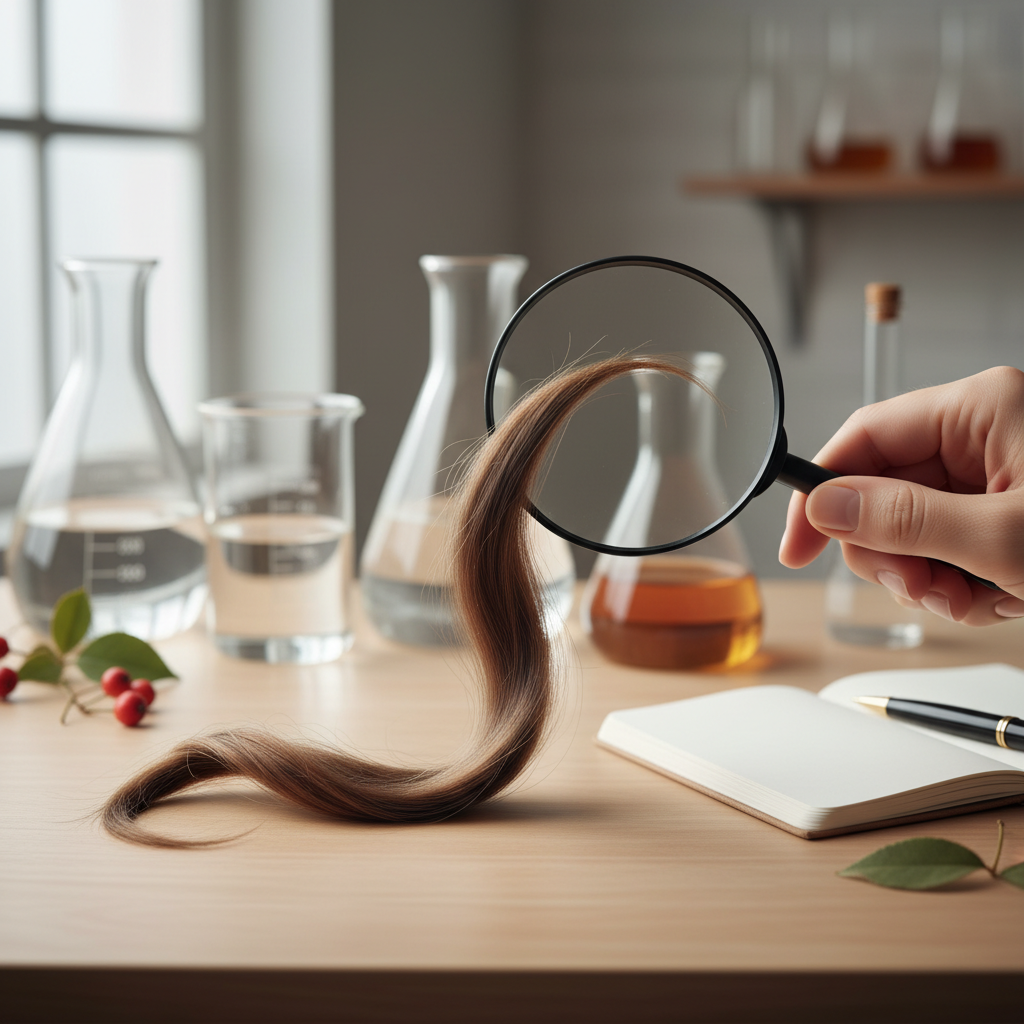
Is It Possible To Reverse Grey Hair With Treatments? A Deep Dive
The appearance of grey hair is a natural part of the aging process for most people. For centuries, many have sought a magical cure to turn silver strands back to their original color. The question remains a popular one: can you actually reverse grey hair? The answer is complex—mostly no, but in some specific cases, it might be possible.
For the vast majority, age-related greying is a one-way street. However, if your grey hair is caused by an underlying medical condition, a nutritional deficiency, or a specific stressor, addressing that root cause can sometimes restore pigmentation. Let's explore the treatments and factors involved.
Potential Avenues for Reversing Grey Hair
While a universal cure for grey hair doesn't exist, research has identified several pathways that influence hair pigmentation. Understanding these can help separate fact from fiction when it comes to available "treatments."
Addressing Nutritional Deficiencies
One of the few instances where grey hair reversal has been documented is when it's linked to a severe vitamin or mineral deficiency. When the body lacks essential nutrients for melanin production, hair can lose its color prematurely. Correcting this deficiency can sometimes restore pigmentation.
- Vitamin B12: A severe B12 deficiency is a known cause of premature greying. This is more common in individuals with certain digestive conditions or those following a strict vegan diet without proper supplementation. If a blood test confirms a deficiency, treatment with B12 shots or high-dose oral supplements may, over time, help reverse the greying.
- Copper and Iron: These minerals play a crucial role in melanin production. A significant lack of copper or iron (leading to anemia) can interfere with the pigmentation process. Supplementing under a doctor's guidance to correct these deficiencies could potentially help restore some color.
- Biotin and Pantothenic Acid (Vitamin B5): While often marketed for hair health, the evidence linking these vitamins directly to reversing grey hair is weaker. However, they are essential for overall hair follicle health, and a deficiency could theoretically impact pigmentation.
It is critical to note that taking these supplements will not have any effect on age-related or genetic grey hair. They are only effective if a person has a confirmed medical deficiency that is causing the premature loss of hair color.
Managing Underlying Medical Conditions
Certain health issues can trigger premature greying. In these scenarios, treating the condition itself is the only way to potentially see a return of natural hair color. This is not a guarantee, but it is a possibility.
- Thyroid Disorders: Both hyperthyroidism (overactive thyroid) and hypothyroidism (underactive thyroid) can affect the hair follicles and cause premature greying. Managing the thyroid condition with medication can sometimes lead to the repigmentation of hair.
- Autoimmune Diseases: Conditions like alopecia areata and vitiligo can cause hair to lose its pigment. While these conditions are complex, some treatments that manage the autoimmune response have been anecdotally reported to restore hair color in affected patches.
Experimental and Emerging Treatments
The scientific community is actively researching ways to tackle grey hair at its source. While none of these are currently available as a standard treatment, they represent the future of managing hair pigmentation.
One promising area of research involves stimulating the melanocyte stem cells that are responsible for producing pigment. As we age, these stem cells gradually disappear. Scientists are exploring ways to protect or reactivate the remaining stem cells within the hair follicle. Other research focuses on medications that could mimic the natural processes that give hair its color, but these are still in the very early stages of development.
Understanding the Science Behind Grey Hair
To understand why reversing grey hair is so difficult, it's essential to know why it happens in the first place. Your hair color is determined by a pigment called melanin, which is produced by specialized cells called melanocytes located at the base of each hair follicle.
There are two main types of melanin: eumelanin (which creates black and brown shades) and pheomelanin (which creates red and yellow shades). The unique combination and concentration of these pigments determine your natural hair color. As each new hair grows, melanocytes inject melanin into the hair shaft, giving it its color.
Greying occurs when these melanocytes stop producing melanin. This is primarily linked to two factors. First, the population of melanocyte stem cells in the follicle depletes over time. With fewer stem cells to mature into new pigment-producing melanocytes, less and less melanin is produced. Eventually, new hairs grow in without any pigment, appearing grey or white. The second factor is oxidative stress—an accumulation of damaging free radicals, like hydrogen peroxide, in the follicle. This can damage the existing melanocytes and impair their ability to produce melanin.
Related Questions About Hair Greying
Beyond the core question of reversal, many people have related concerns about the causes and prevention of grey hair.
Can Extreme Stress Really Cause Grey Hair?
The idea that shock or chronic stress can turn hair white overnight is a common trope, but there is a grain of scientific truth to it. While stress won't deplete your melanocyte stem cells directly, a 2020 Harvard study found a plausible mechanism. It revealed that the "fight-or-flight" response, which is triggered by intense stress, can damage the melanocyte stem cells in hair follicles.
During acute stress, the sympathetic nervous system releases a chemical called norepinephrine. This chemical causes the pigment-producing stem cells to activate prematurely and exhaust their reserves. Once these stem cells are gone, they cannot be regenerated, leading to the growth of unpigmented, white hair. Therefore, while it won't happen overnight, a period of extreme stress could potentially accelerate the greying process by depleting your follicle's reserve of pigment-producing cells. For more information, you can explore findings from the National Institutes of Health (NIH) on this topic. How Stress Causes Gray Hair.
Are There Foods That Can Prevent or Slow Greying?
While no single food can stop the genetic clock on greying, a balanced diet rich in specific nutrients can support overall hair health and potentially delay the onset of premature greying caused by deficiencies. The goal is to provide your body with the building blocks it needs for healthy melanin production and to combat oxidative stress.
Foods rich in antioxidants, such as berries, dark chocolate, green leafy vegetables, and green tea, can help neutralize the free radicals that contribute to follicle damage. Additionally, ensuring an adequate intake of key vitamins and minerals is crucial. This includes B vitamins (especially B12 and B5), iron, copper, and zinc. Sources like lean meats, fish, eggs, nuts, seeds, and fortified cereals can help you meet these nutritional needs. As the American Academy of Dermatology Association notes, a healthy diet is foundational for healthy hair. Tips for healthy hair.
Does Plucking Grey Hairs Make More Grow Back?
This is one of the most persistent myths about grey hair. The belief is that if you pluck one grey hair, two or three more will grow in its place. Fortunately, this is completely false. Each hair follicle can only grow one hair at a time. Plucking a grey hair will simply result in a new grey hair eventually growing back from that same follicle.
However, that doesn't mean you should start plucking freely. Habitually plucking hairs from the same follicle can cause trauma to it. Over time, this can lead to permanent damage, infection, or scarring, which may prevent any hair—grey or otherwise—from ever growing back from that spot. This can result in thinning patches on your scalp. It's best to either leave the grey hair be or, if it bothers you, carefully trim it with a small pair of scissors.
Conclusion
The quest to reverse grey hair is an ongoing scientific journey. For now, a universally effective treatment remains out of reach for the majority of people whose greying is tied to genetics and natural aging. In these cases, coloring remains the most reliable method for managing grey hair.
However, for a small subset of individuals, reversing premature greying is a possibility. If the loss of pigment is directly linked to a diagnosable nutritional deficiency or a specific medical condition, addressing the root cause under a doctor's supervision can sometimes restore hair color. Ultimately, understanding the biological processes behind greying helps set realistic expectations and encourages a focus on overall health, which is the best foundation for healthy hair at any age.