Exploring VA Assistance for Car Modifications: Support for Disabled Veterans
Interested in finding ways the VA supports disabled veterans? Discover how the VA might assist in modifying your car for enhanced accessibility and independence. While exploring options, we examine possible avenues available for car modifications under VA programs.
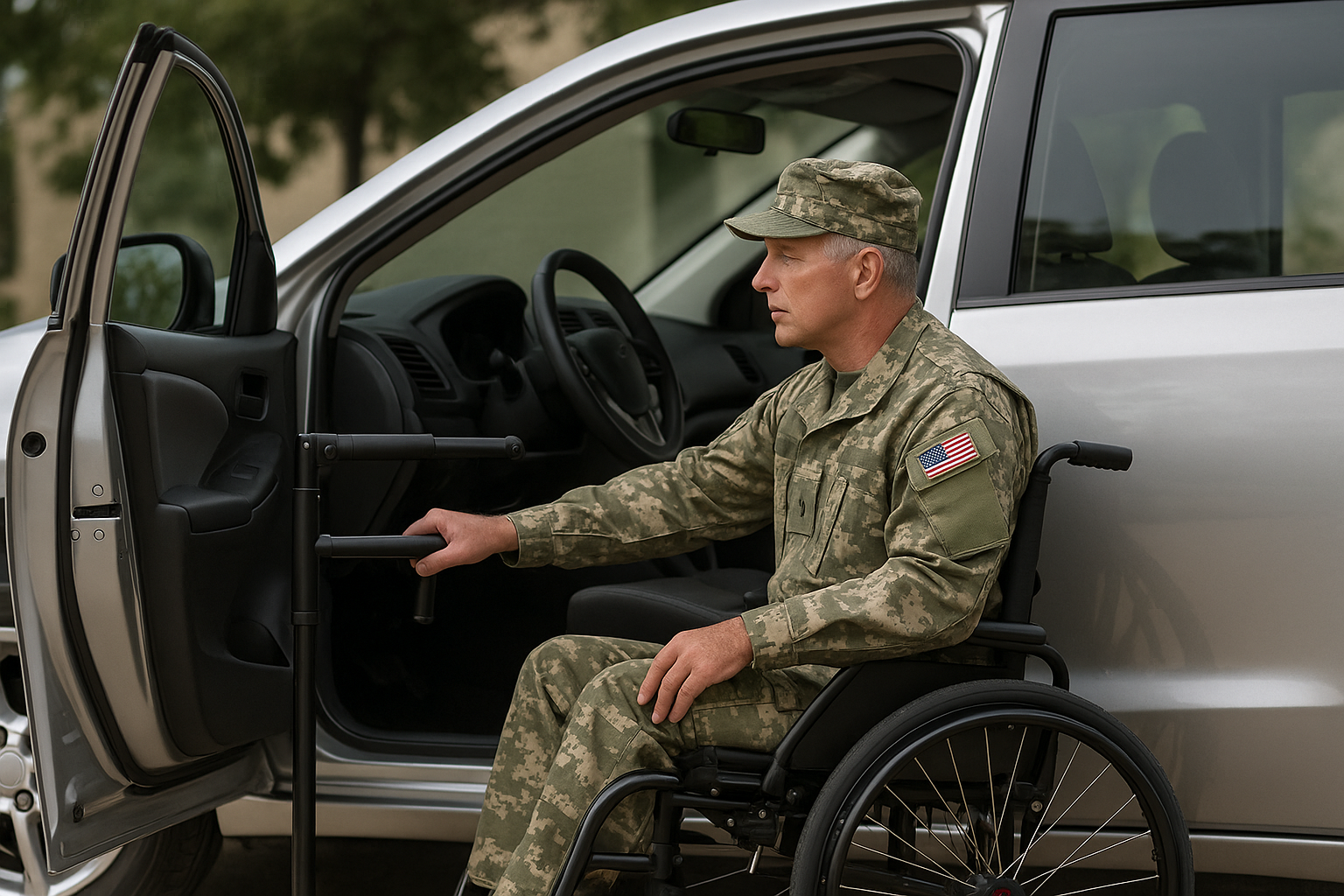
The Role of the VA in Assisting Disabled Veterans
The journey of adapting to life after a disability can be challenging for veterans. Fortunately, the Department of Veterans Affairs (VA) provides various programs designed to assist disabled veterans with their needs. One such program aims to help veterans modify their vehicles to accommodate their disabilities, ensuring greater independence and mobility.
Understanding Vehicle Modification Assistance
Many veterans may wonder how exactly the VA helps with modifying a vehicle and what types of modifications are covered. It is crucial to comprehend the specific services and benefits available, as well as the eligibility requirements for these programs.
Types of Modifications Supported by the VA
The VA provides financial assistance for specific adaptive modifications that cater to the veteran's disability. These modifications can include:
- Hand Controls and Steering Devices: Allowing veterans who cannot use standard vehicle controls to drive safely.
- Wheelchair Lifts and Ramps: Making it easier for veterans to enter and exit their vehicles.
- Power Seats and Adaptive Seating: Ensuring comfort and ease of transfer from wheelchairs.
- Left-Foot Accelerators: For veterans who can't use their right foot effectively.
- Automatic Door Openers: To facilitate easy access to the vehicle.
Eligibility Criteria for Assistance
Not every disabled veteran automatically qualifies for these programs. Here are the general qualifications needed to be eligible for vehicle modification assistance:
- A service-connected disability that affects the veteran's ability to operate or make use of a standard vehicle.
- Enrollment in the VA healthcare system.
- A professional evaluation by VA healthcare providers, confirming the need for vehicle modifications.
Once these criteria are met, veterans can work with their VA care team to explore available options and resources.
Programs Offering Vehicle Modification Assistance
Several VA programs provide direct assistance or funding for vehicle adaptations. Here’s a closer look at these programs and their offerings:
The Automobile Adaptive Equipment (AAE) Program
The AAE Program supports veterans by covering the cost of certain modifications required for safe operation and transportation. It provides reimbursement for qualified adaptive equipment, such as lifts and power steering. In 2026, the program has aided over 12,000 veterans, showcasing a substantial impact on their daily lives (source: VA Official Site).
The Specially Adapted Housing (SAH) Grant
Although primarily intended for housing, the SAH Grant can also fund vehicle modifications. Veterans with specific service-connected disabilities can secure up to $109,986 in 2026 to adapt their living environments and personal vehicles (source: VA Benefits).
Using the Veterans Readiness and Employment (VR&E) Program
The VR&E Program focuses on helping veterans achieve employment goals despite disabilities. While primarily a vocational program, it aids in vehicle modifications necessary for training or employment purposes, further enhancing self-reliance and career opportunities.
Steps to Apply for Vehicle Modification Assistance
Navigating the process of applying for vehicle modification assistance doesn't have to be daunting. Here is a general pathway to getting the necessary help:
Initial Consultation with VA Healthcare Providers
The journey begins with a consultation with a VA healthcare provider. This evaluation determines the extent of the disability and the type of vehicle modification required.
Submission of Documentation
Necessary documents, including medical records and service documentation, must be submitted to verify eligibility. Gathering these documents ahead of time can streamline the application process.
Claim Filing Through eBenefits
Veterans can file their claims directly through the eBenefits portal, making the process accessible and efficient with step-by-step guidance.
Approval and Funding
Upon approval, veterans receive financial aid based on the specific needs and program guidelines. Once eligible, the veteran can proceed with purchasing the necessary adaptive equipment and arranging for installation.
Real-World Examples and Success Stories
Many veterans have successfully navigated the VA's vehicle modification assistance programs. For instance, John, a Navy veteran who lost the use of his legs, shared how the AAE Program allowed him to install hand controls and a wheelchair lift, enabling him to drive independently and maintain his active lifestyle.
These successes highlight the profound impact of adapted vehicles on veterans' lives, offering freedom and fostering a renewed sense of purpose.
Conclusion: Empowering Veterans Through Vehicle Modifications
In conclusion, the VA plays a crucial role in ensuring disabled veterans receive the necessary support to modify their vehicles. Through well-structured programs and clear eligibility guidelines, veterans are empowered to reclaim their independence and mobility. Staying informed and proactive about these benefits is key to making the most of the resources available and improving the quality of life for our valued veterans.
https://www.va.gov/disability/eligibility/special-claims/automobile-allowance-adaptive-equipment/
https://www.va.gov/disability/compensation-rates/special-benefit-allowance-rates/
https://www.va.gov/forms/21-4502/
https://www.rehab.va.gov/PROSTHETICS/psas/AAE.asp
https://www.va.gov/health-care/file-travel-pay-reimbursement/