Exploring VA Assistance Options for Veterans in Purchasing a Vehicle
Curious if veterans can get VA help buying a car? Discover the possibilities available for those who have served our country. While the VA primarily focuses on housing benefits, some programs might offer assistance or resources to eligible veterans for purchasing a vehicle.
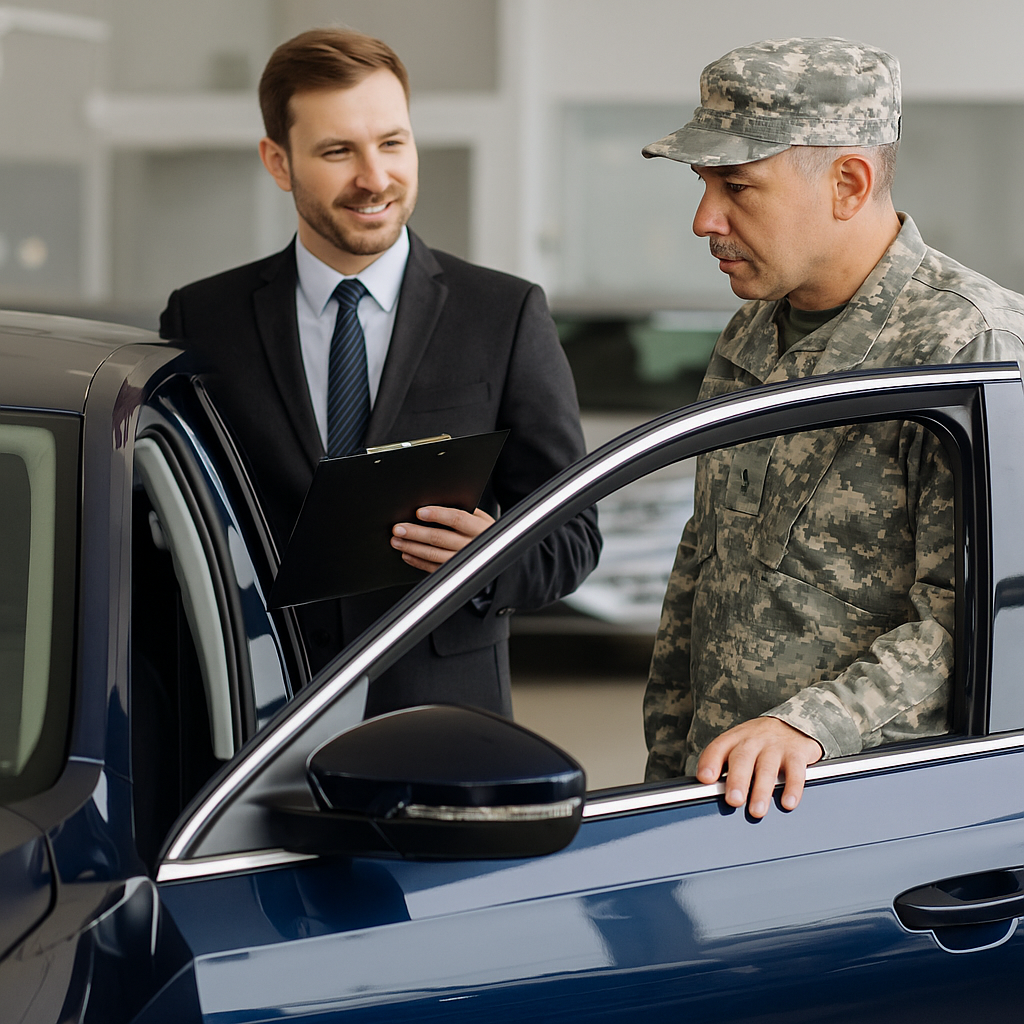
Can Veterans Get VA Help Buying A Car?
For many veterans, transitioning back into civilian life comes with its set of challenges, including mobility. A reliable vehicle can significantly ease this transition. However, purchasing a car can be a costly endeavor. Fortunately, there are programs and resources available that specifically assist veterans in obtaining vehicles.
Understanding VA Benefits for Vehicle Purchases
The U.S. Department of Veterans Affairs (VA) provides various benefits to support veterans' needs. While the VA doesn't directly offer a car-buying program, it supports veterans with certain disabilities in acquiring vehicles through grants and specialized loans.
Automobile Allowance and Adaptive Equipment Program
The VA offers an Automobile Allowance and Adaptive Equipment Program. This program is designed to help veterans and service members with disabilities purchase a vehicle or adapt an existing one to accommodate their needs.
- Automobile Grant: Veterans with certain service-connected disabilities may be eligible for a one-time payment of up to $24,115.99 to purchase a vehicle. This grant can be applied to the original purchase price, making it more affordable.
- Adaptive Equipment: This benefit helps cover the cost of equipment needed to make the vehicle usable for veterans with disabilities, such as wheelchair lifts or specialized mirrors.
Eligibility Criteria
To qualify for these benefits, veterans must meet certain eligibility criteria. Generally, they must have a service-connected disability that affects their ability to drive or use a standard vehicle safely. Conditions often qualifying veterans include:
- Loss or permanent loss of use of one or both feet
- Loss or permanent loss of use of one or both hands
- Permanent impairment of vision in both eyes to a certain degree
It’s important for veterans to consult with their VA representative to confirm their eligibility and discuss their specific needs.
Applying for VA Vehicle Assistance
The application process for these VA benefits is straightforward but requires careful documentation. Veterans need to complete VA Form 21-4502, "Application for Automobile or Other Conveyance and Adaptive Equipment." Along with this form, veterans should submit evidence of their service-connected disabilities.
It may also be helpful for veterans to work with a Veteran Service Officer (VSO) who can provide guidance and support throughout the application process. Their expertise ensures that all necessary documents are submitted correctly and on time.
Additional Financial Support Options
Beyond the VA programs, there are several non-profit organizations and community-based programs aimed at assisting veterans with vehicle purchases:
- Operation Homefront: This organization connects military families with community support, including financial assistance for vehicle repairs or new car purchases.
- Special Adaptive Driving Equipment Programs: Some states offer additional grants for adaptive equipment on vehicles driven by veterans with disabilities.
Veterans should explore all available resources to maximize their benefits and minimize out-of-pocket expenses.
Considerations When Choosing a Vehicle
When selecting a vehicle, veterans should consider their personal and mobility needs. For those with disabilities, it’s important to ensure the vehicle can be easily modified. Here are some factors to consider:
- Size: Larger vehicles may provide more space for adaptive equipment but could be less economical.
- Fuel Efficiency: With rising fuel costs, choosing a vehicle that is efficient can lead to long-term savings.
- Repair and Maintenance Costs: Opt for makes and models known for reliability to avoid frequent, costly repairs.
Recent Trends and Data
According to a 2026 report by the National Veterans Association, over 20% of veterans reported difficulty in securing transportation for medical appointments and daily activities (Source: National Veterans Association Report 2026). This highlights the importance of accessible transportation solutions.
Furthermore, studies in 2026 indicate a growing demand for adaptive vehicles as more veterans with service-connected disabilities seek independence in their daily lives (Source: Adaptive Mobility Institute 2026).
Conclusion
While the VA does not offer a direct car buying program, veterans can access significant support through grants and adaptive equipment assistance. By leveraging these resources and exploring additional financial aid, veterans can secure vehicles that meet their needs. Veterans are encouraged to actively reach out to their local VA and VSOs to explore all potential benefits and make informed decisions when purchasing a vehicle.
https://www.va.gov/disability/eligibility/special-claims/automobile-allowance-adaptive-equipment/
https://www.va.gov/disability/compensation-rates/special-benefit-allowance-rates/
https://www.va.gov/forms/21-4502/
https://www.rehab.va.gov/PROSTHETICS/psas/AAE.asp
https://www.va.gov/health-care/file-travel-pay-reimbursement/