Exploring VA Benefits: Understanding Coverage for Vehicle Adaptive Equipment
Curious if the VA covers adaptive equipment for vehicles? Our article explores the possibilities and requirements of obtaining support from the VA for vehicle adaptations.
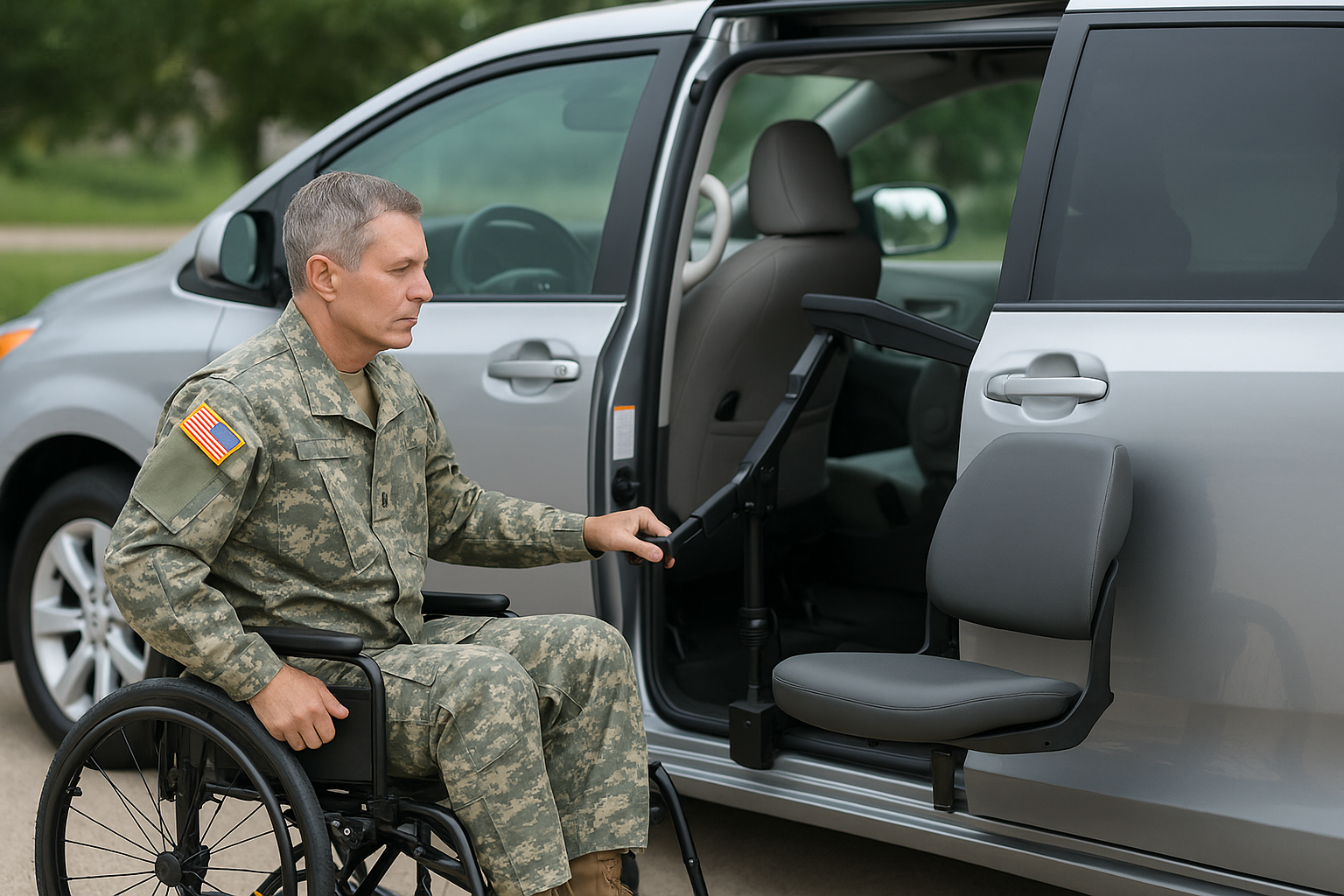
Understanding VA Coverage for Adaptive Equipment for Vehicles
When considering vehicle adaptations due to disabilities, veterans often wonder about the coverage provided by the Department of Veterans Affairs (VA). Navigating the intricacies of VA benefits can be challenging, but understanding what is covered and how to access these benefits is crucial. This guide will explore whether the VA covers adaptive equipment for vehicles, what the eligibility requirements are, and how veterans can apply for such benefits.
What is Adaptive Equipment?
Adaptive equipment refers to modifications or devices designed to assist individuals with disabilities in driving or using their vehicles. This can include hand controls, wheelchair lifts, special mirrors, and other modifications that make a vehicle more accessible. For many veterans with disabilities, these modifications are essential for maintaining independence and mobility.
Does the VA Cover Adaptive Equipment for Vehicles?
The good news for veterans is that the VA does provide coverage for adaptive equipment for vehicles under specific circumstances. According to the VA’s Automobile Adaptive Equipment (AAE) program, veterans with certain service-connected disabilities may qualify for financial assistance to cover the cost of such equipment. However, it's important to understand the eligibility criteria and the application process.
Eligibility Criteria
To qualify for the VA’s AAE program, veterans must meet certain service-connected disability criteria. Typically, eligibility includes, but may not be limited to:
- Loss or permanent loss of use of one or both feet.
- Loss or permanent loss of use of one or both hands.
- Permanent impairment of vision in both eyes to a certain degree.
- Certain severe burns or ankylosis of one or both knees or hips.
These criteria ensure that the benefit reaches veterans who genuinely need adaptive equipment for driving or who need a vehicle that accommodates their disability conditions.
Types of Covered Adaptive Equipment
The VA covers a wide array of adaptive equipment types. Some common examples include:
- Hand controls and other related driving apparatus for those unable to use standard pedals.
- Power steering and automatic transmission adaptations.
- Wheelchair and scooter lifts or carriers.
- Pedal extensions.
- Raised roofs or dropped floors for vans or minivans.
It’s important for veterans to work with accredited VA providers or obtain pre-approval for the equipment to ensure coverage.
How to Apply for the AAE Program
Applying for the AAE program involves several steps:
- Contact a VA Regional Office: Veterans should start by contacting their local VA office to discuss eligibility and get guidance on the necessary documentation.
- Complete the Application: Veterans will need to complete VA Form 21-4502, "Application for Automobile or Other Conveyance and Adaptive Equipment."
- Obtain a Physician’s Statement: A medical professional must provide certification of the need for adaptive equipment due to a service-connected disability.
- Seek VA Approval: The completed application and supporting documentation must be submitted to the VA for approval.
Upon approval, veterans can proceed with purchasing and installing the adaptive equipment, ensuring they keep receipts and follow VA guidelines for reimbursement if applicable.
Getting the Most from Your Benefits
Working within the VA's system can be daunting, but understanding and following the correct procedure helps maximize your benefits. Keep in close contact with your VA representative to ensure compliance with VA policies. Additionally, some dealerships and auto shops specialize in vehicles for people with disabilities and can offer valuable guidance.
Real-World Examples
Consider John, a veteran who lost both legs due to a service-related injury. With the help of the AAE program, he was able to adapt his van with hand controls and a wheelchair lift, significantly enhancing his quality of life. Similar stories of veterans benefiting from the AAE program underscore its importance in promoting mobility and independence.
Conclusion
For veterans wondering, "Does the VA cover adaptive equipment for vehicles?" the answer is affirmative, provided they meet necessary eligibility criteria. Understanding the terms of this coverage and the application process is crucial. By leveraging these benefits, veterans can maintain independence, ensuring their service-connected disabilities do not hinder their ability to drive and enjoy mobility.
Additional Resources
- VA's Official Guidelines on Adaptive Equipment
- Veterans Benefits Administration
- National Resource Directory for Veterans
- https://www.va.gov/disability/eligibility/special-claims/automobile-allowance-adaptive-equipment/
https://www.va.gov/disability/compensation-rates/special-benefit-allowance-rates/
https://www.va.gov/forms/21-4502/
https://www.rehab.va.gov/PROSTHETICS/psas/AAE.asp
https://www.va.gov/health-care/file-travel-pay-reimbursement/