Exploring Why Latex Mattresses Are Less Hospitable to Bed Bugs
It’s a common question, and the answer provides some serious peace of mind: bed bugs find it nearly impossible to live in a latex mattress. This isn't by accident; it’s due to the unique physical properties of the material itself.
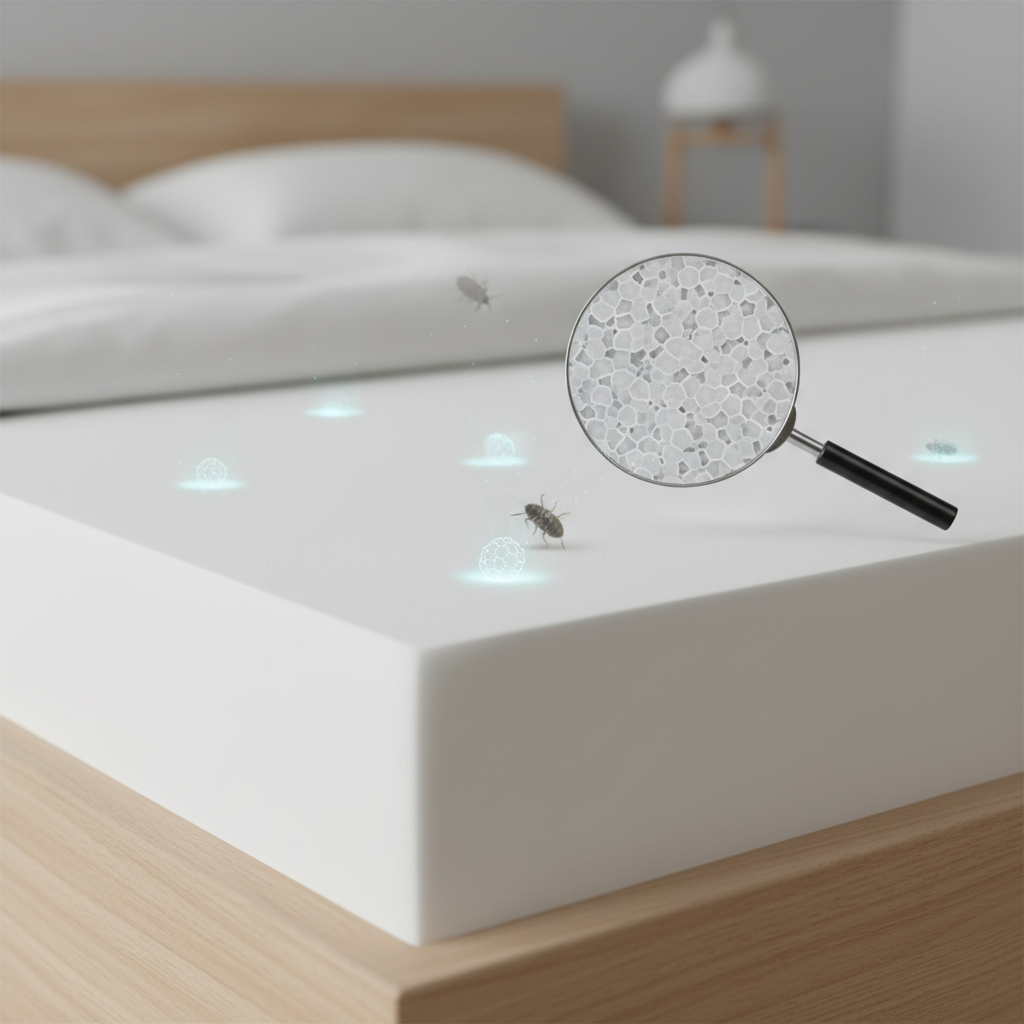
The thought of bed bugs is enough to make anyone lose sleep. These persistent pests are notorious for infesting traditional mattresses, turning a peaceful sanctuary into a nightmare. However, one type of mattress material stands out for its remarkable resistance to these unwanted guests: natural latex. While no mattress can make an entire room immune to a bed bug infestation, the inherent properties of latex create an environment that is exceptionally inhospitable for them. This resistance isn't due to a single magic feature, but rather a combination of physical and natural characteristics that make latex a poor choice for a bed bug home.
Understanding why latex is such an effective deterrent requires looking at what bed bugs need to thrive. They seek dark, tight spaces where they can hide, breed, and easily access their food source (you). Let's break down the specific reasons why a latex mattress is one of their least favorite places to be.
Key Reasons Latex Deters Bed Bugs
1. The Dense, Solid Core Structure
The primary reason bed bugs avoid latex mattresses is their physical structure. Natural latex foam is created through a process that results in a dense, solid, yet elastic material. Unlike traditional innerspring mattresses that are filled with springs, fiberfill, and fabric layers, a latex mattress is a solid block of foam. This leaves virtually no internal voids, hollow cavities, or empty spaces for bed bugs to crawl into and establish a colony.
Bed bugs are experts at hiding. In an innerspring mattress, they can live deep within the coils, along the seams, and inside the box spring. Memory foam, while denser than fiberfill, can still have air pockets and a more open-cell structure that pests can exploit. The solid core of a latex mattress offers no such refuge. Its impenetrable nature means there are no internal highways or hidden apartments for bed bugs to nest and lay their eggs, forcing them to stay on the surface where they are more exposed and easier to spot.
2. Natural Resistance to Pests and Microbes
Natural latex is derived from the sap of the rubber tree, Hevea brasiliensis. This sap contains naturally occurring compounds that have antimicrobial and antifungal properties. These properties help protect the rubber tree from harmful organisms in its native environment. When processed into mattress foam, these beneficial qualities are retained, creating a sleep surface that is naturally resistant to mold, mildew, and dust mites.
While these properties are not a direct insecticide that kills bed bugs on contact, they contribute to an overall healthier and cleaner sleep environment. A latex mattress does not accumulate the same amount of skin cells, dust, and moisture that can attract other microscopic life. This clean nature makes the mattress less appealing in general. Bed bugs are attracted to the carbon dioxide we exhale and our body heat, but the lack of a welcoming, microbe-friendly habitat makes latex a far less desirable option for them to settle in long-term.
3. Lack of Fibrous Material for Nesting
Traditional mattresses are often constructed with layers of fibrous padding, such as cotton, wool, or synthetic polyester batting. These fluffy, woven materials are ideal for bed bugs. The fibers provide an excellent texture for them to cling to, crawl through, and lay their eggs in. The seams and tufts of fabric covers create perfect, protected hiding spots along the edges and surface of the mattress.
A latex mattress, in contrast, lacks these fibrous nesting grounds. Its surface is smooth and rubbery. Even when covered with a fabric protector, the core material itself provides no hospitality. Without the complex web of fibers to hide in, bed bugs find the environment barren and unsuitable for establishing a long-term infestation within the mattress core itself.
4. Superior Breathability and Temperature Regulation
Latex foam is naturally breathable due to its open-cell structure, which is further enhanced with pinholes added during manufacturing to increase airflow. This design prevents heat from being trapped, allowing you to sleep cooler and more comfortably. While this is primarily a comfort benefit for humans, it has a secondary effect on the micro-environment that bed bugs experience.
Bed bugs, like all insects, have preferred temperature and humidity ranges. Mattresses that trap heat and moisture, like some traditional memory foams, can create a consistently warm and slightly humid environment that is very stable and conducive to breeding. The excellent airflow in a latex mattress helps to dissipate heat and moisture more effectively, leading to a less stable and less ideal microclimate for pests to thrive in.