Exploring Your Bicycle Gear Choices: A Guide to Understanding Options
Explore the fascinating world of bicycle gear options tailored to enhance your cycling experience. Delve into the various types of gear available, perfect for both beginners and seasoned cyclists. Discover how selecting the right bicycle gear can provide comfort and efficiency on the road.
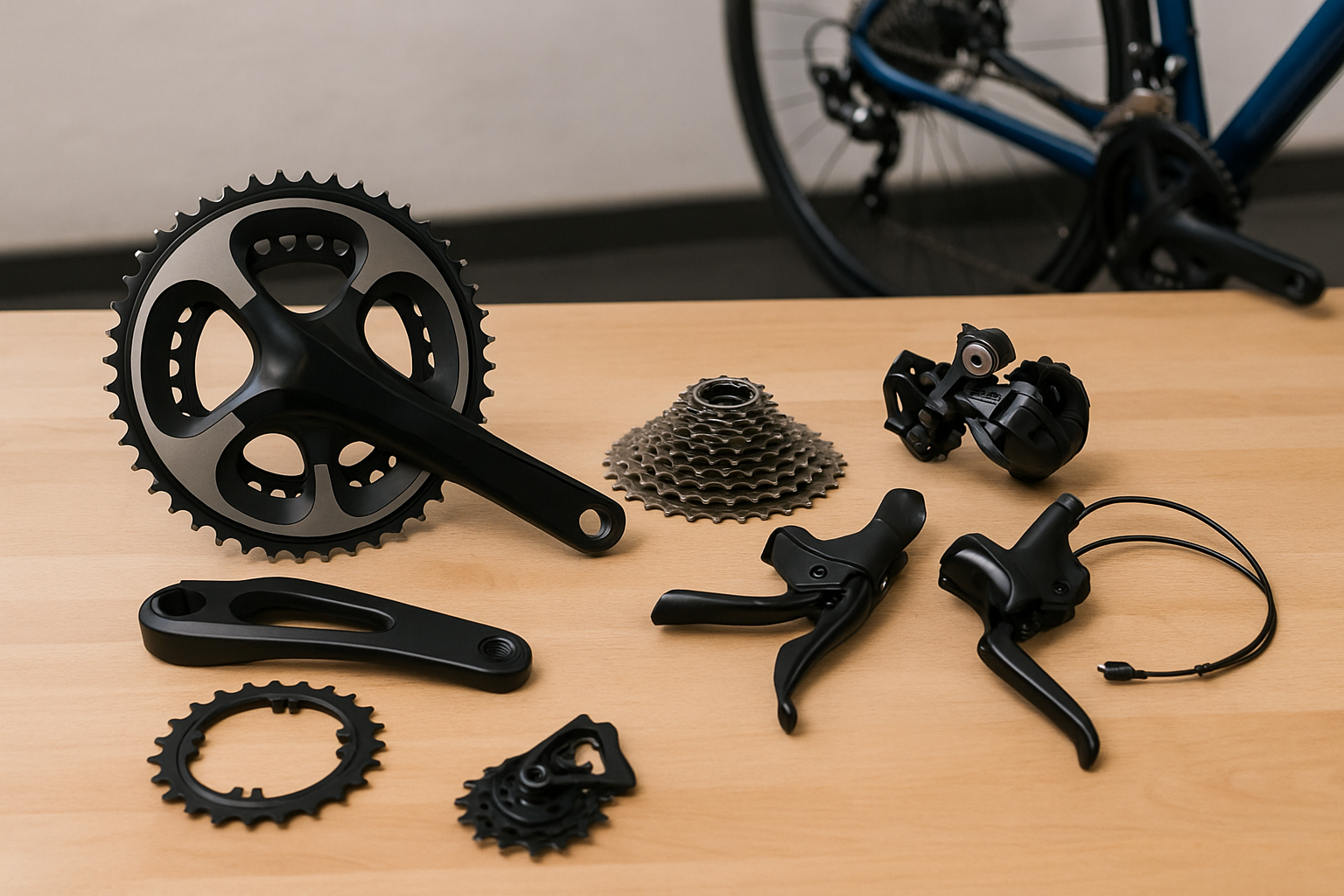
Understanding Bicycle Gear Options
When it comes to cycling, understanding the gear options available can dramatically enhance your ride efficiency and enjoyment. Whether you're an experienced biker or just starting, choosing the right gear can make a significant difference in your cycling experience. Here, we delve into the different types of bicycle gears, how they work, and how you can select the right options for your needs.
What are Bicycle Gears?
Bicycle gears are components used to change a bike's speed and torque. By adjusting the gears, cyclists can maintain a comfortable pedaling rate regardless of terrain, slope, or riding environment. Gears are generally changed using gear shifters located on the handlebars, connected by cables to derailleurs that move the chain between different-sized cogs on the bike's crankset and rear cassette.
Types of Bicycle Gears
Bicycles come with a variety of gear systems, each offering distinct advantages for different riding conditions and user preferences. Below are the primary types:
- Single-Speed Gears: As the name suggests, these bikes have only one gear ratio, making them simpler and lighter. They're ideal for flat terrains and urban commuting where gear changing isn't required.
- Derailleur Gears: The most common type in multi-speed bikes, these allow a wide range of gear combinations using external chains, ideal for diverse conditions and terrains.
- Hub Gears: Typically used for commuting bikes, hub gears are tucked inside the hub of the back wheel, offering a clean and low-maintenance alternative to derailleur systems.
- Continuously Variable Transmission (CVT): A newer technology that offers an infinite number of effective gear ratios, providing a smooth and seamless transition between gears.
How Do Bicycle Gears Work?
Changing gears on a bicycle affects how hard you need to pedal and how fast you can go. When you need more power on a steep incline, a lower gear allows for easier pedaling at the cost of speed. Conversely, a higher gear lets you go faster on flat surfaces or downhill, although it requires more pedal force.
The gear ratio, which indicates the relationship between the front chainring and rear cog sizes, plays a crucial role. A smaller front chainring with a larger rear cog results in an easier, lower gear ratio, while the opposite provides a harder, higher ratio.
Choosing the Right Gear System
Choosing the right gear system depends on where and how you plan to ride. Consider the following factors:
- Terrain: If navigating hilly terrains regularly, a bike with multiple derailleur gears offers versatility and greater ease.
- Purpose: For casual riders or commuters, a simpler hub gear setup may suffice and require less maintenance.
- Budget: While derailleur systems are more affordable, CVT systems offer advanced technology but come at a higher cost.
- Maintenance: Hub gears and single-speeds generally require less frequent maintenance than derailleur systems.
Recent Trends and Innovations
As of 2026, the bicycle gear market continues to evolve with technology enhancing user experience. A recent report by Bike & Gear Institute highlights a trend towards electronic shifting systems, providing precise and effortless gear change through electronic signals rather than cables.
Additionally, according to a 2026 article from Cycling Weekly, there's a burgeoning interest in internally geared hubs and automatic shifting, aiming to align gear changes with pedaling cadence for optimal performance without manual shifter inputs.
Conclusion
Understanding bicycle gears is essential in tailoring your cycling experience to match your fitness level, terrain, and cycling goals. As technology advances, cyclists have access to a wider range of options than ever before, each offering unique advantages. Whether you prefer a traditional mechanical system or are curious about electronic innovations, the key is selecting a setup that best fits your personal riding style and needs.
Staying informed about the latest trends and considering expert advice can help ensure you have the best gear compatibility for an enjoyable and efficient ride. Happy cycling!