Exploring Your Options: Auto Insurance for Disabled Veterans and the Role of the VA
Wondering if the VA offers auto insurance for disabled veterans? While the Department of Veterans Affairs provides numerous benefits, it does not directly offer auto insurance. However, exploring third-party options specifically tailored for disabled veterans may be beneficial.
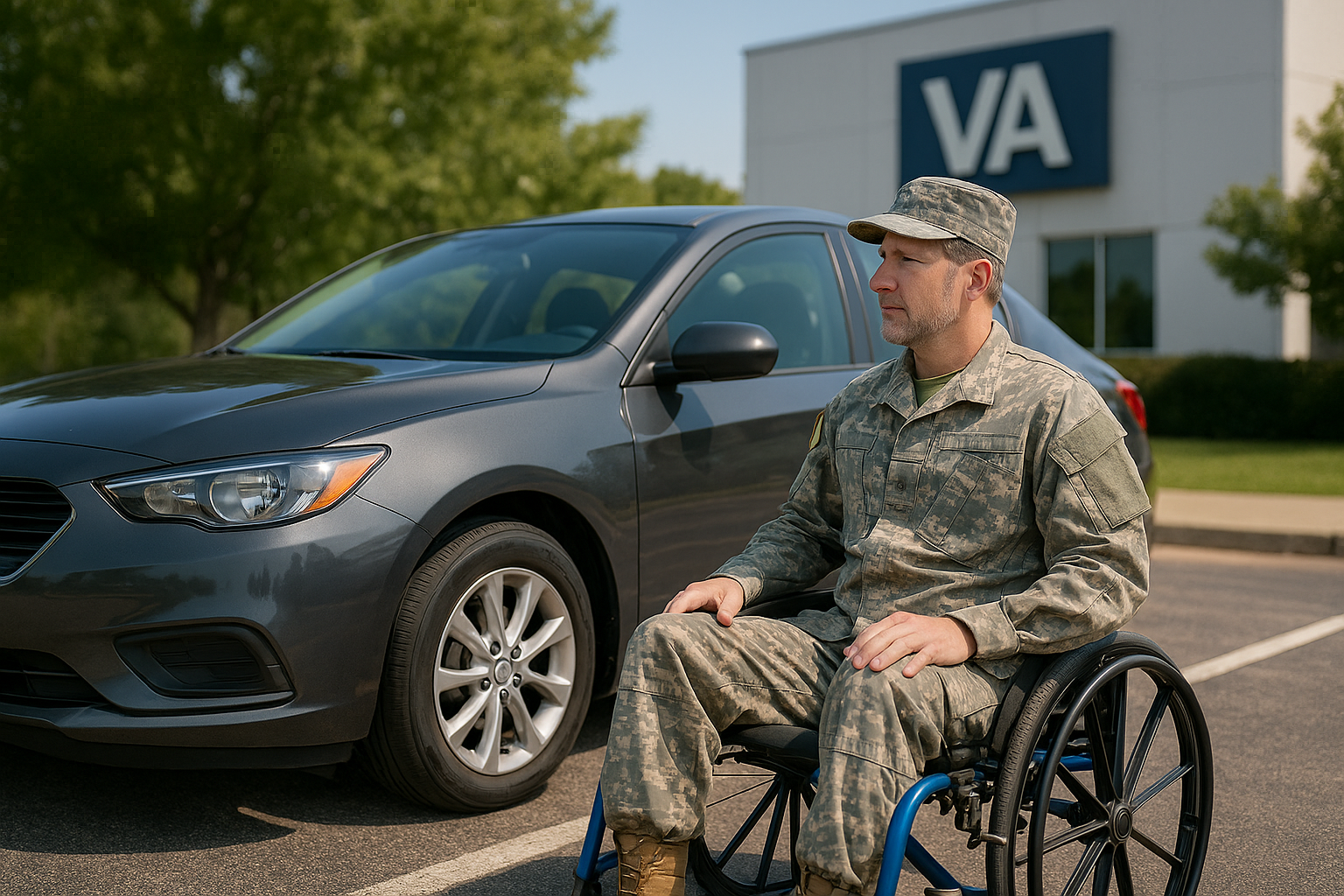
Understanding VA Benefits: Are Auto Insurance Options Available for Disabled Veterans?
Veterans and their families often navigate a complex web of benefits and services offered by the Department of Veterans Affairs (VA). A common question among disabled veterans is whether the VA provides auto insurance. While the VA offers a multitude of benefits, the provision of auto insurance isn't directly among them. This article explores the broader landscape of veteran benefits related to transportation and vehicle modification, important considerations for disabled veterans seeking car insurance, and potential alternatives to assist with their unique needs.
The Scope of VA Benefits for Transportation
The VA provides several transportation-related benefits for disabled veterans that can indirectly support auto insurance needs. These benefits aim to enhance mobility and independence for veterans with service-connected disabilities. Although auto insurance is not directly offered, some programs can alleviate related expenses:
- Automobile Allowance: Veterans with certain disabilities may qualify for a one-time payment to purchase a vehicle. This grant can ease the financial burden, allowing more funds to be allocated towards insurance.
- Adaptive Equipment: The VA can cover the cost of vehicle modifications necessary due to a veteran's disability. Whether it's installing special hand controls or wheelchair lifts, covering these costs leaves more room in the budget for adequate insurance coverage.
These programs highlight the VA's commitment to supporting disabled veterans' transportation needs, which indirectly supports their ability to secure vehicle insurance by reducing overall costs.
Why Auto Insurance is Essential for Disabled Veterans
Auto insurance provides critical financial protection in the event of vehicle-related accidents, damages, or theft. It is particularly important for disabled veterans, as specialized vehicles and adaptive equipment can be costly to repair or replace. Here are some reasons why maintaining robust auto insurance is crucial:
- Protection of Adaptive Equipment: Customized vehicles for those with disabilities can come with expensive tools and modifications, increasing the importance of comprehensive insurance coverage that includes these elements.
- Legal Requirements: Most states mandate a minimum level of auto insurance, making it a legal requirement to drive legally and avoid fines or penalties.
- Peace of Mind: Having adequate insurance provides psychological comfort, knowing that both the veteran and their loved ones are protected financially in case of an accident.
Alternative Ways to Access Auto Insurance for Disabled Veterans
While the VA does not directly provide auto insurance, there are multiple avenues through which disabled veterans can access essential insurance coverage:
- USAA: This organization is renowned for offering competitive auto insurance rates and services specifically tailored to military members, veterans, and their families. Their policies often include features beneficial to disabled veterans.
- Discounts from Major Insurance Providers: Many insurers offer discounts to veterans, acknowledging their service and often providing more affordable rates. It's worth discussing eligibility with providers like GEICO, State Farm, or Progressive.
These options show that, while not directly provided, disabled veterans have multiple support mechanisms available to help them secure necessary coverage.
Financial Assistance and Support Programs
For many disabled veterans, managing finances post-service can be challenging. Understanding available support programs can make a significant difference:
- Veterans' Service Organizations (VSOs): Organizations such as the American Legion or Disabled American Veterans (DAV) often offer resources or financial advice, potentially leading to savings on auto-related expenses.
- State-Specific Programs: Some states offer unique benefits for veterans, including possible insurance assistance. Checking local resources can uncover valuable support options.
Exploring these opportunities can result in significant savings and provide much-needed relief in managing post-service finances.
Conclusion: Making Informed Decisions
Although the VA does not provide auto insurance directly, disabled veterans have a variety of options to ensure they receive necessary coverage. From using VA grants for vehicle purchases and modifications to leveraging discounts from veteran-friendly insurance providers, there is robust support available. Connecting with VSOs, exploring state-specific benefits, and carrying out detailed research into insurance options can all contribute to informed decision-making. For further validation and information on these topics, one might visit resources like the VA's official website and organizations such as USAA.
Staying informed empowers veterans, allowing them to access all the resources and protections they've earned through their service, ensuring they and their families remain financially secure on the road.