Exploring Your Options: Emergency Loans for EBT Recipients
Finding an emergency loan while receiving EBT benefits might seem challenging, but options are available. Learn about safe and effective strategies to explore financial assistance, including potential loan opportunities and community resources.
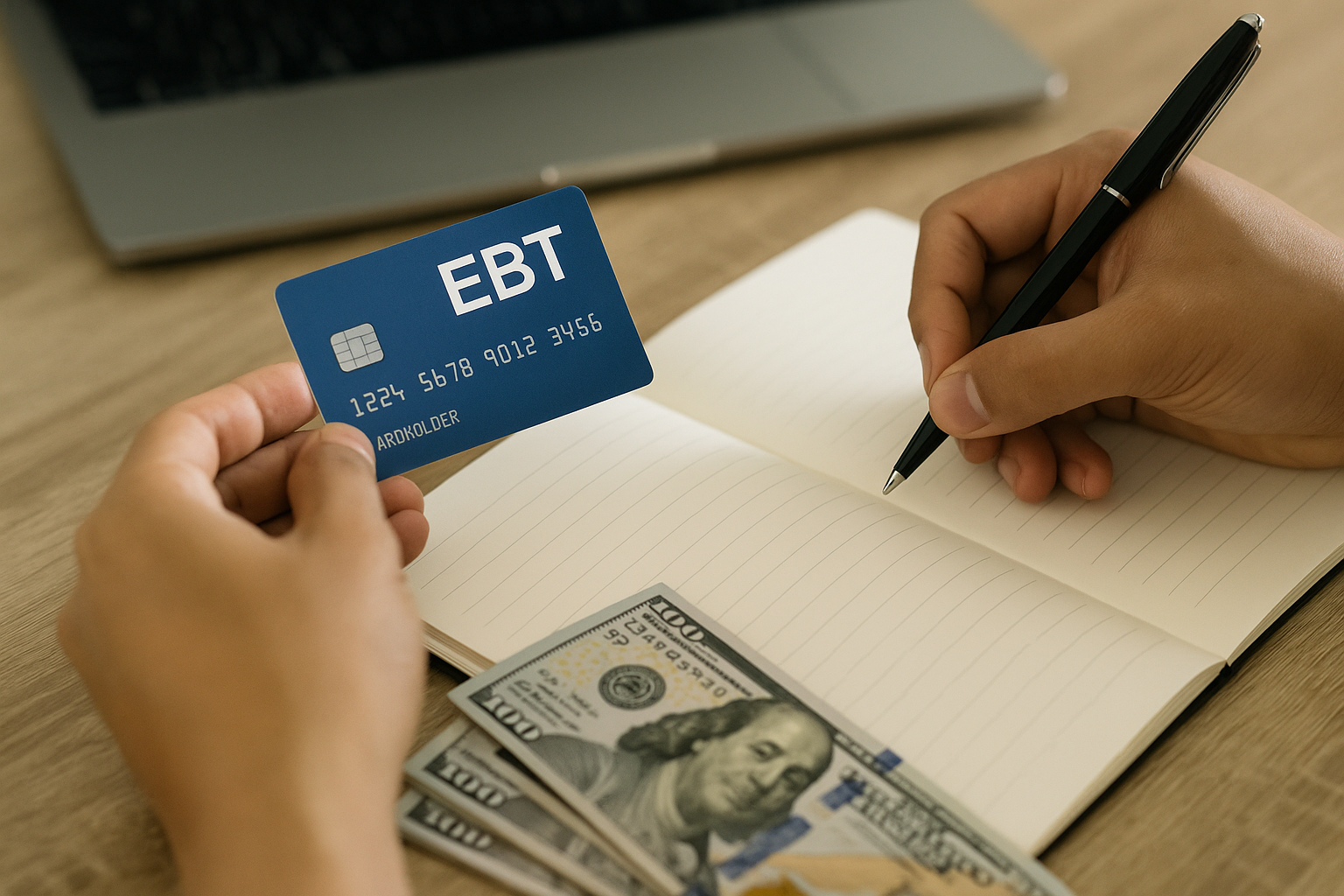
Understanding Emergency Loans
Emergency loans are short-term funding options tailored for unexpected expenses such as medical emergencies, car repairs, or urgent home repairs. They offer quick access to funds when traditional borrowing methods fail to meet urgent needs. However, receiving an emergency loan while on government assistance programs like EBT (Electronic Benefits Transfer) requires understanding both financial systems' roles and limitations.
What Are EBT Benefits?
EBT benefits, part of the Supplemental Nutrition Assistance Program (SNAP), are designed to help low-income families and individuals purchase food. These benefits are allocated based on need and are geared toward ensuring basic nutrition. As of 2026, approximately 42 million Americans, according to the USDA, rely on SNAP benefits monthly to meet nutritional needs (New York Times).
Eligibility for Emergency Loans While Receiving EBT
Can I Get an Emergency Loan on EBT?
While being a SNAP beneficiary does not outright prevent you from securing an emergency loan, several factors come into play. Lenders consider income, credit history, and financial obligations when approving loans. While EBT alone is not considered income, combining it with other income sources may qualify individuals for emergency loans.
Income Considerations
Lenders typically require proof of income to ensure the loan can be repaid. While EBT isn't counted as income, having supplementary sources, such as part-time employment, social security, or child support, can bolster your application. Demonstrating stable additional income improves the likelihood of loan approval.
Credit History
Most lenders require assessing the borrower’s credit history. While poor credit scores or thin credit files can hinder getting traditional loans, some financial institutions and online lenders offer options for people with limited or adverse credit histories. Credit-building or payday alternative loans might be more accessible.
Types of Emergency Loans Available
Secured vs. Unsecured Loans
Emergency loans fall into two broad categories: secured and unsecured.
- Secured Loans: These require collateral, such as a car title or savings account, offering potentially lower interest rates and higher chances of approval.
- Unsecured Loans: These do not require collateral but may carry higher interest rates and stricter credit requirements.
Payday Loans
Payday loans are unsecured and typically require repayment by the next payday. Their high-interest rates often lead to a cycle of borrowing that can be financially debilitating. Considering alternatives, like personal loans from credit unions, can be beneficial.
Credit Union Loans
Community credit unions offer small personal loans with lower interest rates than payday lenders, considering membership and additional income sources. Some offer payday alternative loans with more favorable terms.
Impact of Loans on Your Financial Health
Loan Repayment Challenges
Repaying high-interest loans on a fixed income can be challenging. It's crucial to carefully review terms, monthly payments, and interest rates to avoid defaults that can hurt credit scores and lead to legal actions.
Building Credit
Responsible borrowing can positively impact credit scores. On-time loan payments gradually improve credit over time, making future credit and loan applications easier (Forbes Advisor).
Alternatives to Emergency Loans
Community Assistance Programs
Local charities and non-profit organizations offer emergency relief funds, food banks, or utility assistance for those struggling to make ends meet on EBT alone. These programs are often easier to access and require less stringent eligibility criteria.
Negotiating Payment Plans
Contacting creditors or service providers directly to negotiate installment plans, deferments, or reduced payments can alleviate immediate financial pressure.
Navigating Financial Support as an EBT Recipient
Securing an emergency loan while receiving EBT benefits requires thorough understanding and exploration of available options. Leveraging additional income sources, understanding various loan types, and considering alternatives like community aid can guide financially viable decisions. Always weigh short-term convenience against long-term financial health to prevent future financial hardship.
https://www.usa.gov/government-loan
https://www.thecreditpeople.com/loans/can-you-actually-get-a-cash-advance-on-food-stamps
https://www.withpurple.com/post/emergency-cash-options-for-ssi-recipients