Exploring Your Options: Insurance After Multiple Traffic Violations
With multiple violations on your record, securing insurance can seem daunting. How do you navigate options when facing increased premiums? Discover strategies that may help you get insurance after multiple violations.
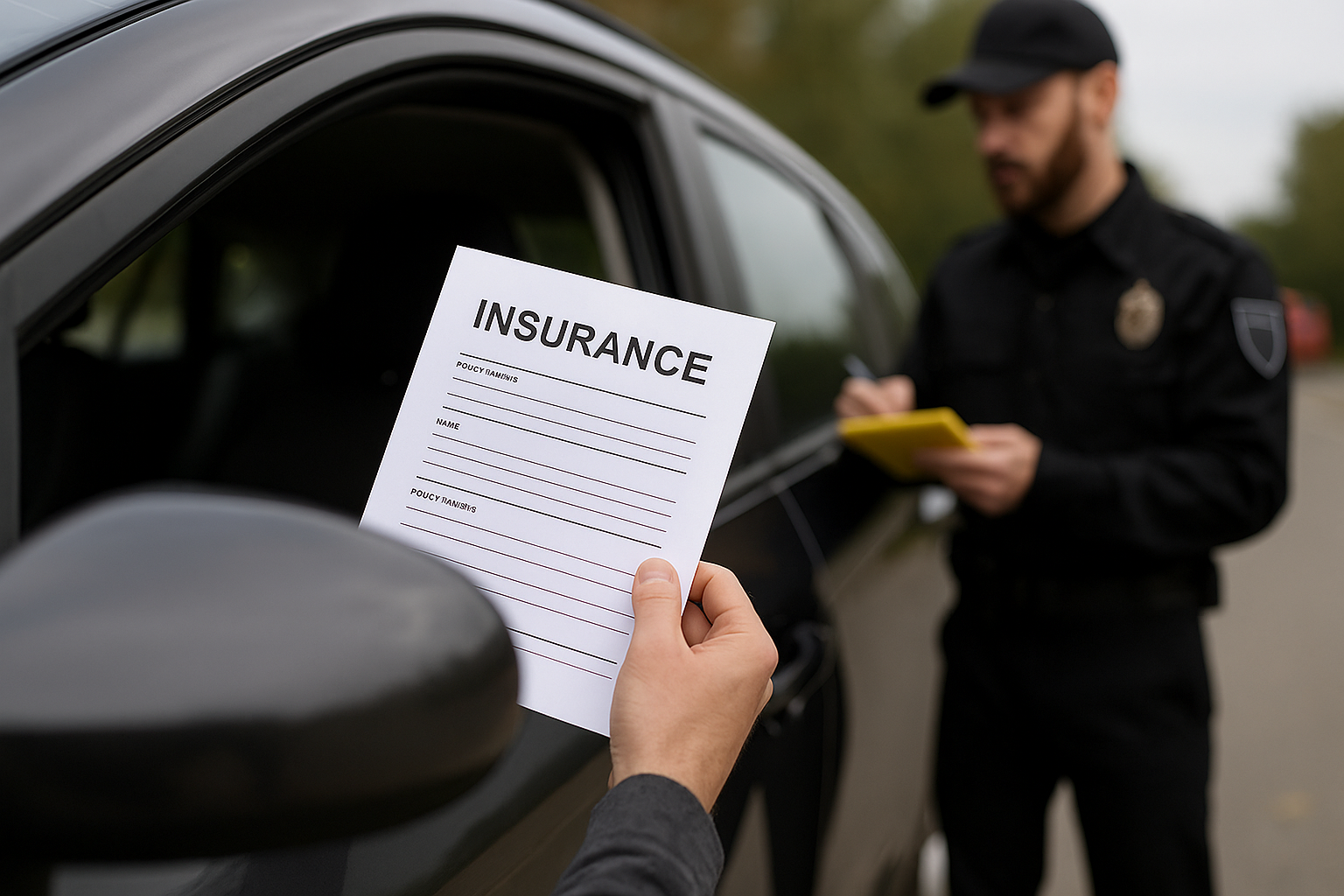
Understanding Insurance After Multiple Violations
Receiving multiple violations can have significant implications on your ability to secure auto insurance. Violations can range from minor traffic infractions to serious offenses. In many cases, the more violations you have, the more challenging it can be to find an insurance provider willing to insure you. However, it’s not impossible to obtain coverage. This article will explore the landscape of insurance post-violations, providing answers to common questions you might have.
What Are Considered Violations in Auto Insurance?
Auto insurance violations can include a range of driving offenses. Here are some common examples:
- Speeding Tickets: Exceeding the posted speed limit is one of the most common violations.
- DUI/DWI: Driving under the influence of alcohol or drugs is a grave violation with severe penalties.
- Reckless Driving: This encompasses driving in a manner that shows a willful disregard for safety.
- At-Fault Accidents: Causing an accident where you are considered at fault.
- License Suspensions: Instances where your driver's license is temporarily invalidated due to infractions.
Insurance companies assess these violations to understand your risk level as a driver.
Can You Still Get Insurance?
Yes, it is possible to still obtain auto insurance after multiple violations, but there are considerations to keep in mind:
High-Risk Insurance Options
If you have multiple violations, insurers might consider you a high-risk driver. Here are a few options you might explore:
- Non-standard Insurance: These are specialized policies for high-risk drivers. Companies like The General or Dairyland specifically cater to drivers with less-than-perfect records.
- State-Assigned Risk Pools: Some states have assigned-risk plans available for drivers who cannot find coverage in the conventional market. However, these can be costly and are typically last resort options.
- SR-22 Filing: While not a type of insurance, an SR-22 is a certificate proving that you have the state's minimum required coverage. Often required after severe violations, some insurers can help file this documentation for you.
Impact on Premiums
Insurance after violations is generally more expensive. Premiums will rise based on factors such as the severity and frequency of violations and your overall driving history. As per 2026 data from the Insurance Information Institute, drivers with infractions can expect a premium increase of anywhere from 30% to 200%.
It's essential to shop around and compare quotes from different insurers. Even within the high-risk market, premium amounts can vary significantly from one provider to another.
What Steps Can You Take to Lower Your Insurance Costs?
While your insurance costs may go up following multiple violations, there are strategies to help reduce expenses:
Improving Your Driving Record
Your driving record plays a crucial role in determining your rates. Consider these actions to improve your record:
- Defensive Driving Courses: Many states and insurers offer or mandate defensive driving courses. Completing these can help reduce points from your record or provide a premium discount. According to the National Safety Council, such courses can offer a 5% to 10% policy discount.
- Time: Over time, the impact of violations lessens. Infractions usually affect your record for three years, after which previous violations might not significantly impact your rates.
Inquire About Discounts
While high-risk policies may not offer the same discounts as standard policies, it's worthwhile to ask providers about potential savings:
- Low Mileage Discounts: If your commute is short, some insurers offer discounts for lower annual mileage.
- Bundling Policies: Some companies provide savings if you bundle auto insurance with other types of coverage, like home insurance.
How to Choose the Right Insurance Provider?
Choosing an insurance provider post-violations is crucial. Consider these factors when selecting a suitable insurer:
Research and Reviews
Before settling on an insurer, research extensively. Look for reviews and testimonials from other drivers with similar backgrounds. Websites like Consumer Reports and J.D. Power offer insights into customer satisfaction and claim handling.
Financial Stability
Ensure the company is financially stable. Use resources such as Fitch Ratings or AM Best to verify the insurer's ability to pay claims when the need arises.
Conclusion
Obtaining auto insurance after multiple violations requires understanding the constraints and options available. While premiums might be higher, and the process more challenging, adequate coverage is possible. Focus on improving your driving habits, exploring discounts, and choosing the right insurance provider for your needs. By being proactive and informed, you can secure necessary coverage and potentially reduce costs over time.