Factors Influencing Roofing Costs in 2026: What to Consider
Explore the key factors that may influence roofing costs in 2026, from material choices to labor trends. As roofing costs continue to evolve, understanding potential shifts can help homeowners plan better for future expenses.
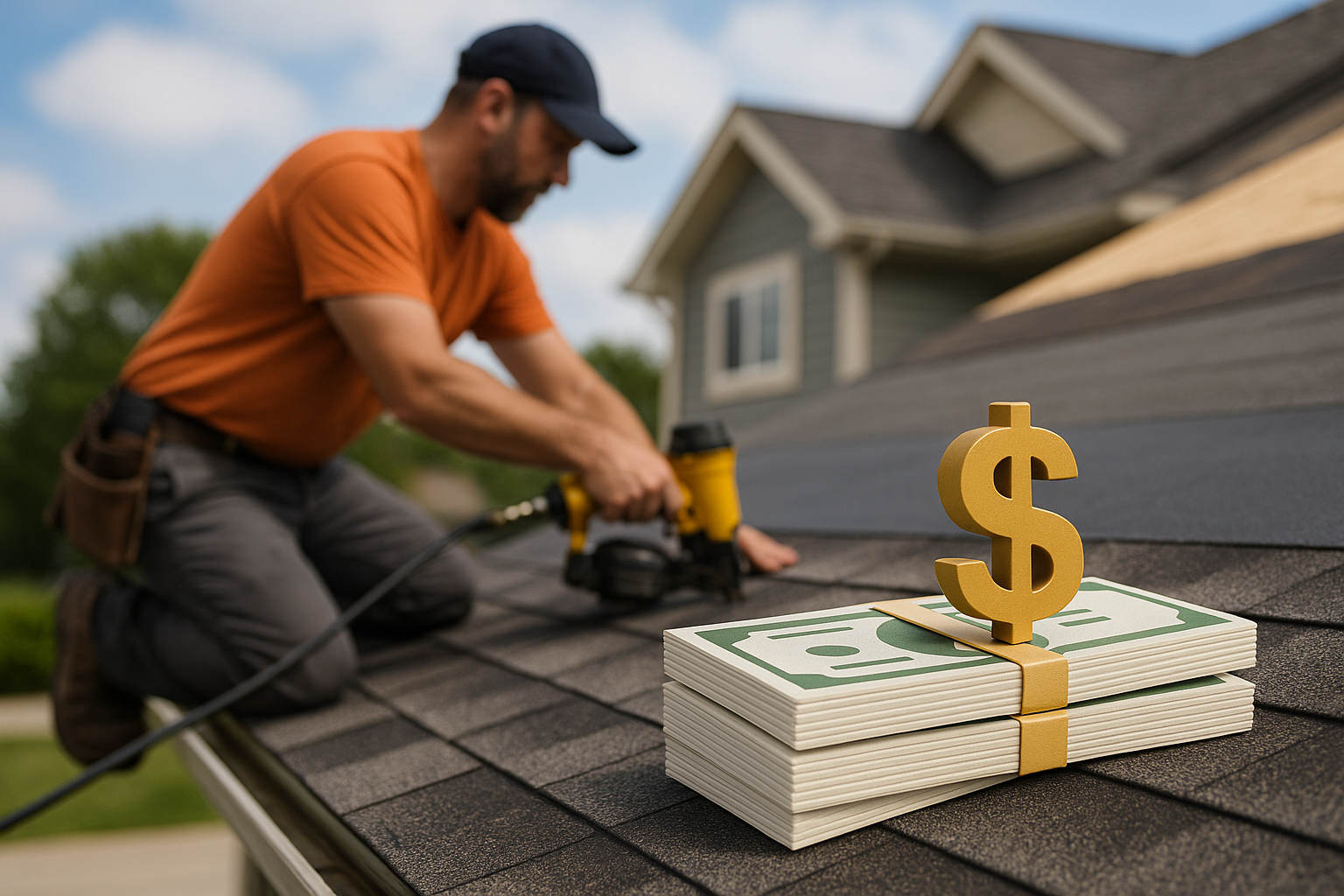
Understanding What Impacts Roofing Costs in 2026
With advancements in construction technology and fluctuating economic conditions, roofing costs in 2026 are influenced by a multitude of factors. Homeowners planning renovation or new construction projects must understand these variables to budget effectively and make informed decisions. This article delves into the primary elements affecting roofing prices this year and what homeowners should consider.
Material Costs and Availability
One of the most significant contributors to roofing expenses is the type of material selected. In 2026, roofing materials vary widely in price due to supply chain dynamics, material technology advancements, and consumer demand. Key materials include:
- Asphalt Shingles: These remain the most popular choice due to their affordability and durability. However, prices have risen slightly due to increased oil prices, which impact manufacturing costs.
- Metal Roofing: Known for longevity and resistance to extreme weather, metal roofs are seeing cost variability depending on the metal. Steel prices, for instance, have stabilized, but the cost of copper remains high.
- Eco-friendly Options: With a growing focus on sustainability, green roofing materials such as solar tiles and recycled materials are increasing in popularity, though they often come at a premium.
Supply chain issues post-pandemic and geopolitical tensions have also led to minor disruptions, impacting availability and timing, which indirectly influences costs. According to a 2026 report by the National Association of Home Builders [source], supply chain improvements are on the horizon, potentially reducing costs by the year's end.
Labor Costs and Regional Variability
Labor remains a considerable factor in roofing expenses. As the construction industry grapples with a skilled labor shortage, wages have risen. Factors affecting labor costs include:
- Regional Differences: Geographic location greatly influences labor costs due to differences in wage standards and construction regulations. For instance, areas with more stringent licensing requirements or higher union presence may incur higher labor expenses.
- Experience and Expertise: Hiring experienced contractors ensures quality but often comes at a higher cost. It's essential to balance budget constraints with the need for skilled workmanship to avoid future problems.
The Bureau of Labor Statistics highlights a 4% increase in construction labor costs in 2026, influenced by training programs and certification requirements [source].
Roof Design and Complexity
The design of a roof also significantly affects installation costs. Complex roof designs with multiple peaks, valleys, or skylights require more skilled labor and time, thus increase costs. Considerations include:
- Pitch and Slope: Steeper roofs are more challenging to work on, requiring additional safety measures and time, which can increase labor costs.
- Size and Layers: Larger roofs demand more materials, and if a complete teardown of old roofing is required, expect higher costs.
For example, replacing an existing roof layer is typically cheaper than a full roof tear-off, saving on both labor and disposal fees.
Economic and Environmental Considerations
Economy-wide factors and environmental conditions continue to play a role in roofing costs. Inflationary pressures, interest rates, and economic policies contribute to overall financial planning for roofing projects. Issues to watch include:
- Inflation: General inflation affects all aspects of construction, including roofing materials and labor, potentially leading to increased project budgets.
- Environmental Incentives: Many governments offer incentives for energy-efficient upgrades like solar roofing, which can offset some initial costs but require homeowners to navigate tax rebates and incentive programs efficiently.
As noted in the recent 2026 Green Building Guide [source], adopting eco-friendly solutions now may lead to long-term savings despite higher upfront costs.
Tips for Managing Roofing Costs
To effectively manage your roofing expenses, consider the following strategies:
- Plan Ahead: Anticipate and budget for potential cost increases to avoid financial overruns.
- Get Multiple Estimates: Obtain a minimum of three quotes from reputable contractors to compare services and pricing.
- Review Contractor Credentials: Ensure your contractor is licensed and insured, which mitigates risk and guarantees quality workmanship.
- Opt for Off-Peak Replacement: Scheduling roof replacements during less busy periods can sometimes result in discounts or more negotiation room.
Ultimately, homeowners should remain proactive, engage with knowledgeable professionals, and stay informed about market trends to ensure sound investments in their property’s roofing.