Finding Effective Over The Counter Solutions for Sinus Relief
When you’re dealing with relentless sinus pressure and pain, the pharmacy aisle can feel overwhelming.
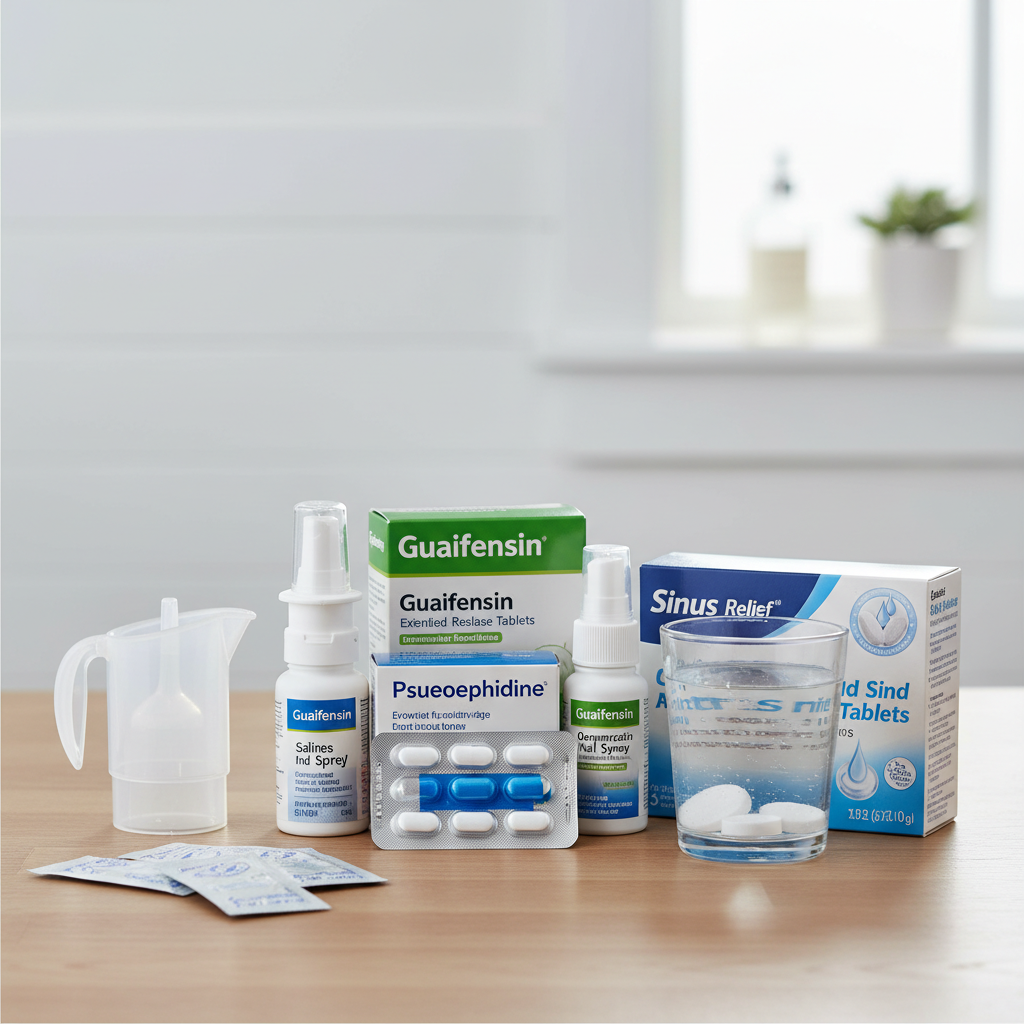
A Comprehensive Guide to Over-The-Counter Pills For Sinus Relief
Sinus pressure, congestion, and pain can disrupt your day, making it difficult to focus, breathe comfortably, or even rest. The good news is that your local pharmacy has a wide array of over-the-counter (OTC) options designed to tackle these very symptoms. However, navigating the shelves can be confusing. Different pills contain different active ingredients, each targeting a specific aspect of sinus discomfort. Understanding what these medications do is the key to choosing the right one for your needs.
This guide breaks down the main categories of OTC pills for sinus relief, explaining how they work, what symptoms they target, and important considerations for their use. By understanding the science behind these common remedies, you can make a more informed decision to find relief and get back to feeling like yourself.
Key Types of OTC Sinus Relief Pills
Most OTC sinus medications fall into a few primary categories. Many "all-in-one" cold and sinus products are simply combinations of these different types of drugs. By looking at the active ingredients, you can find the specific relief you need without taking medication for symptoms you don't have.
1. Decongestants
Decongestants are often the first thing people reach for when they feel that tell-tale stuffiness and pressure. Their primary job is to reduce swelling in the nasal passages. When you have a cold, allergies, or a sinus infection, the blood vessels in your sinuses become inflamed and swollen, which narrows your airways and traps mucus. Decongestants work by constricting these blood vessels. This shrinking effect helps to open up the nasal passages, allowing for easier breathing and helping mucus to drain more effectively, which in turn relieves pressure.
The most common active ingredients in oral decongestants are pseudoephedrine and phenylephrine. Pseudoephedrine is generally considered more effective but is often sold from behind the pharmacy counter due to regulations, as it can be used to illegally manufacture methamphetamine. Phenylephrine is widely available on open shelves but may be less potent for some individuals. It's important to note that oral decongestants can have side effects like increased heart rate, elevated blood pressure, and feelings of jitteriness or anxiety. For this reason, individuals with high blood pressure, heart conditions, or thyroid problems should consult a doctor before using them.
2. Pain Relievers (Analgesics)
Sinus inflammation doesn't just cause stuffiness; it often brings on a throbbing headache, facial pain, and pressure around the eyes, cheeks, and forehead. This is where pain relievers come in. While they don't address the underlying congestion, they are highly effective at managing the discomfort and pain associated with sinusitis. They work by blocking the production of certain chemicals in the body called prostaglandins, which are involved in pain and inflammation.
Common OTC pain relievers found in sinus formulas include acetaminophen (the active ingredient in Tylenol), ibuprofen (Advil, Motrin), and naproxen sodium (Aleve). Ibuprofen and naproxen are part of a class of drugs called nonsteroidal anti-inflammatory drugs (NSAIDs), which have the added benefit of reducing inflammation, making them particularly useful for sinus pain. Acetaminophen is effective for pain but does not have significant anti-inflammatory properties. When choosing a sinus product, check the label to see which pain reliever it contains, especially if you have a preference or a medical reason to avoid a certain type.
3. Antihistamines
If your sinus problems are triggered by allergies, antihistamines can be a game-changer. Allergies occur when your immune system overreacts to a harmless substance like pollen, dust, or pet dander. In response, your body releases histamines, which cause a cascade of symptoms including sneezing, itching, a runny nose, and swelling of the nasal passages that leads to congestion. Antihistamines work by blocking the effects of histamine, thereby calming this allergic reaction.
There are two main generations of antihistamines. First-generation options like diphenhydramine (Benadryl) and chlorpheniramine are very effective but are known for causing significant drowsiness. Newer, second-generation antihistamines like loratadine (Claritin), cetirizine (Zyrtec), and fexofenadine (Allegra) are non-drowsy or less-drowsy and are generally preferred for daytime use. While antihistamines are essential for allergy-related sinus issues, they may not be very helpful if your congestion is caused by a common cold virus, and their drying effect can sometimes thicken mucus, making it harder to clear.
4. Expectorants
Sometimes the problem isn't just swelling, but thick, stubborn mucus that is stuck in your sinuses and chest. An expectorant is a type of medication that helps to thin and loosen this mucus, making it easier to cough up and clear out of your airways. By making your coughs more productive, expectorants help your body expel the phlegm that is contributing to your congestion and discomfort. This can be particularly helpful when a sinus issue is accompanied by a chesty cough.
The most common—and essentially the only—OTC expectorant available in pill form is guaifenesin, which is the active ingredient in products like Mucinex and Robitussin. While guaifenesin is primarily known as a chest congestion remedy, its mucus-thinning properties are also beneficial for breaking up the thick mucus trapped in the sinuses. For an expectorant to work effectively, it's crucial to drink plenty of water. The extra fluid helps the medication thin the mucus, making it much easier for your body to clear it out.
Understanding What Causes Sinus Pressure
To better understand how these medications work, it's helpful to know what’s happening inside your head. Your sinuses are a system of hollow, air-filled cavities located in your skull, with openings that connect to your nasal passages. They are lined with a soft tissue called a mucous membrane. The primary function of the sinuses is to produce mucus, which helps to moisten the air you breathe and trap dust, germs, and other airborne particles.
Normally, this mucus drains harmlessly out of the sinuses and down the back of your throat. However, when the lining of your sinuses becomes inflamed—a condition known as sinusitis—this drainage system gets blocked. The inflammation can be triggered by several factors, including the common cold virus, allergies that cause an immune response, or a bacterial infection. When the sinus openings swell shut, mucus gets trapped inside the cavities. This buildup of fluid and pressure is what causes the classic symptoms: facial pain, a feeling of fullness, headaches, and nasal congestion. Each OTC medication is designed to interrupt a part of this process, whether by shrinking the swollen tissue, blocking the allergic reaction, thinning the trapped mucus, or simply masking the pain.
Common Questions About OTC Sinus Medications
Can I combine different types of sinus medications?
This is a common and important question. Yes, you can combine single-ingredient medications, but it must be done carefully. For example, if you have sinus pain and congestion but no runny nose from allergies, you could take a single-ingredient pain reliever like ibuprofen along with a single-ingredient decongestant like pseudoephedrine. This allows you to target only the symptoms you have.
The main danger lies in unintentionally doubling up on an ingredient. Many "multi-symptom" or "all-in-one" cold and sinus products already contain a mix of a decongestant, a pain reliever, and sometimes an antihistamine or cough suppressant. If you take one of these combination products and then take a separate pill for a headache (like Tylenol), you could accidentally take a dangerously high dose of acetaminophen. Always read the "Active Ingredients" list on the Drug Facts label of any OTC product you are considering to see what's inside before taking it. When in doubt, ask your pharmacist for guidance.
What is the difference between sinus pills and nasal sprays?
Pills and nasal sprays are two different delivery systems for treating sinus symptoms, and each has its pros and cons. Oral pills, like decongestants and pain relievers, work systemically. This means they are absorbed into your bloodstream and travel throughout your body to have an effect. This is great for treating symptoms like sinus headaches and body aches but can also lead to more widespread side effects (like increased heart rate from decongestants).
Nasal sprays, on the other hand, deliver medication directly to the source of the problem—the nasal passages. Decongestant nasal sprays (like oxymetazoline) provide very fast, targeted relief from stuffiness with fewer systemic side effects. However, they should not be used for more than three consecutive days, as overuse can lead to a severe rebound congestion. Steroid nasal sprays (like fluticasone or triamcinolone) are excellent for reducing inflammation from allergies but take several days to reach their full effect. The best choice depends on your specific symptoms, their cause, and how quickly you need relief.
When should I stop using OTC remedies and see a doctor?
Over-the-counter medications are intended for short-term relief of acute symptoms. You should consult a healthcare provider if your symptoms do not improve after 7 to 10 days of using OTC products. It's also time to see a doctor if your symptoms are severe, if you have a high fever (over 101.5°F or 38.6°C), or if your symptoms initially improve but then get worse. These could be signs of a secondary bacterial infection that may require a prescription for antibiotics.
Additionally, if you experience symptoms like severe headache, a stiff neck, vision changes, or confusion, you should seek immediate medical attention. For those who suffer from chronic sinusitis (symptoms lasting 12 weeks or longer), a doctor can help identify underlying causes and recommend a more effective long-term treatment plan.
Conclusion
Navigating the pharmacy aisle for sinus relief doesn't have to be overwhelming. By understanding the four main categories of over-the-counter pills—decongestants, pain relievers, antihistamines, and expectorants—you can identify the active ingredients that best match your specific symptoms. Decongestants target swelling, pain relievers manage headaches and facial pain, antihistamines combat allergy-related issues, and expectorants help thin and loosen stubborn mucus. Always read the Drug Facts label to avoid doubling up on ingredients and be mindful of how long you use these remedies. If your symptoms are severe or persistent, consulting a healthcare professional is the best course of action.