Finding the Best Adult Diaper for Maximum Absorbency
Finding the adult diaper with the highest capacity is crucial for leak-free protection and peace of mind. But with so many brands claiming 'maximum absorbency,' it's difficult to know which products actually deliver.
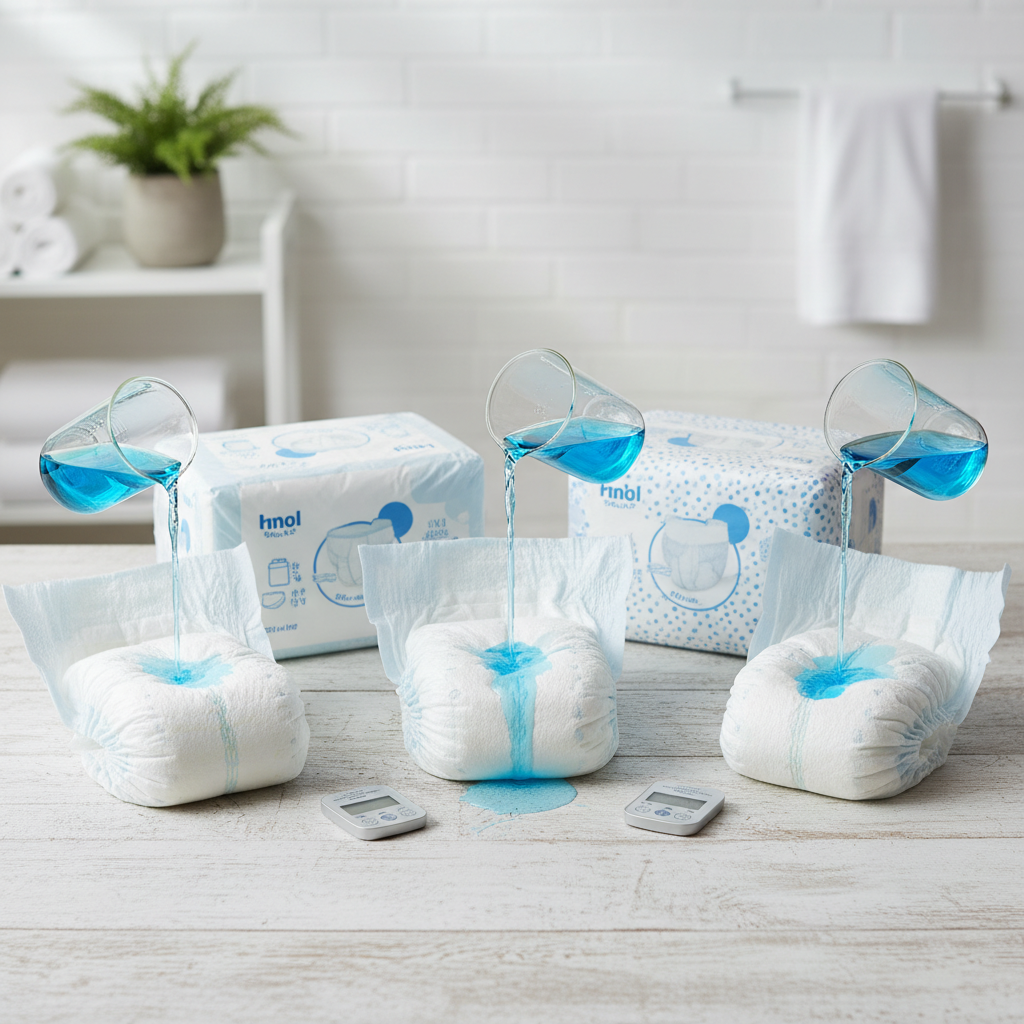
Finding the Right Fit: A Guide to Which Adult Diapers Hold the Most Urine
When it comes to managing incontinence, one of the most pressing concerns is finding a product that offers maximum absorbency and security. The fear of leaks can limit activities and cause significant stress. Understanding which adult diapers hold the most urine isn't just about picking a brand; it's about knowing the specific features, materials, and product types designed for heavy to severe incontinence. The most absorbent products are engineered to handle large volumes of fluid, lock away moisture to protect the skin, and provide comfort for extended periods, especially overnight.
The key to maximum capacity lies in a combination of advanced core technology and thoughtful design. From the type of polymer used to the physical construction of the diaper, several factors work together to determine its total absorbency. This guide will break down the types of adult diapers and the critical features that contribute to their high capacity, helping you identify what to look for when making a selection.
Key Features That Determine Maximum Absorbency in Adult Diapers
Not all adult diapers are created equal. Products designed for maximum absorbency incorporate specific technologies and designs to manage heavy urinary flow and provide long-lasting protection. Here are the most important types and features to look for.
1. Overnight Adult Diapers
Overnight diapers, sometimes labeled as "extended wear," are specifically engineered for maximum capacity. They are built to last for 8-12 hours without needing a change, making them ideal for uninterrupted sleep. Their superior absorbency comes from a much thicker core that contains a higher concentration of Superabsorbent Polymer (SAP). This material can absorb many times its weight in liquid, instantly turning urine into a gel to keep the skin dry and prevent leaks even when the wearer is lying down for long periods.
Beyond the core, overnight diapers feature a more robust construction. They often have a higher rise to provide more coverage in the front and back, along with standing leak guards—elasticized inner barriers that run along the leg openings to contain gushes of fluid. The backsheets are typically made of a cloth-like, breathable material that is also waterproof, ensuring air circulation to protect skin health while preventing any moisture from escaping onto bedding or clothing.
2. Bariatric Adult Diapers
Bariatric diapers are designed for larger individuals, typically with waist sizes exceeding 65-70 inches. While their primary feature is size, their larger dimensions inherently contribute to a higher absorbency capacity. A larger surface area allows for a bigger and thicker absorbent core, which means more room for Superabsorbent Polymer and fluff pulp. This enables them to hold significantly more fluid than standard-sized diapers, making them an excellent choice for larger users with heavy or severe incontinence.
These diapers also feature strong, refastenable tabs that can be adjusted for a secure and customized fit, which is crucial for preventing leaks on larger body frames. The combination of extended coverage, a high-capacity core, and a secure fastening system makes bariatric diapers some of the most absorbent options available on the market, providing both comfort and peace of mind.
3. Products with High Concentrations of Superabsorbent Polymer (SAP)
The single most important component for absorbency in any modern disposable diaper is Superabsorbent Polymer (SAP). These are tiny, granular crystals that can absorb and retain extremely large amounts of liquid relative to their own mass. When urine hits the diaper's core, the SAP rapidly absorbs it and transforms it into a gel. This process locks the moisture away from the skin, which is crucial for preventing irritation, rashes, and breakdown.
Diapers marketed for maximum or ultimate absorbency contain a significantly higher quantity of SAP mixed with traditional fluff pulp compared to moderate absorbency products. Some advanced diapers use a layered core technology, placing the SAP in strategic locations to quickly capture fluid and distribute it evenly. When searching for a high-capacity product, look for descriptions that emphasize "maximum SAP," "high-density core," or "gel-forming technology."
4. Diapers with Advanced Design Features
Absorbency isn't just about the core; the physical design of the diaper plays a huge role in containment. High-rise fits are essential, as they provide more coverage up the front and back, which is particularly important for side sleepers or individuals who are bed-bound. This extra coverage acts as a buffer against leaks that can occur when the core becomes saturated.
Another critical feature is the presence of tall, standing leak guards. These are inner cuffs made of hydrophobic (water-repelling) material that stand upright around the leg openings. They create a channel that directs fluid back into the absorbent core and provides a physical barrier against sudden gushes. Paired with strong leg elastics that create a snug seal, these design elements ensure that even when the diaper is nearing its capacity, the liquid remains contained.
5. The Use of Booster Pads
For those who need to increase the capacity of their current diaper, booster pads are an excellent solution. A booster pad is an absorbent, flow-through pad with no waterproof backing. It is designed to be placed inside a disposable brief or pull-on. The booster pad absorbs fluid first, and once it reaches its capacity, the excess liquid flows through it and into the primary diaper below.
This effectively adds another layer of absorbency, significantly extending the life and capacity of the host diaper. Booster pads come in various sizes and absorbency levels, allowing users to customize their protection based on their needs. They are a cost-effective way to manage severe incontinence, especially overnight, without needing to switch to a more expensive, ultra-absorbent diaper.
Understanding Absorbency Ratings: How Capacity is Measured
When you browse different adult diapers, you'll often see terms like "maximum," "ultimate," or "overnight," but what do these really mean? Manufacturers often use a "cup" or milliliter (mL) rating to quantify a diaper's absorbency. This number is typically determined through an industry-standard method known as the ISO 11948-1, or the "Rothwell" test. In this laboratory test, a diaper is submerged in saline solution for a set amount of time and then weighed to see how much liquid it absorbed.
While this provides a standardized way to measure total potential capacity, it's important to understand its limitations. The ISO test measures a diaper's absolute maximum capacity under ideal lab conditions—something rarely achieved in real-world use. In reality, a diaper will likely leak long before it reaches this theoretical maximum. Factors like user movement, body position (sitting vs. lying down), and the rate of urine flow all affect a diaper's functional capacity. Therefore, a diaper rated for 4000 mL in a lab might only hold 1000-1500 mL in a real-world overnight scenario before the risk of a leak becomes high. It's best to use these ratings as a comparative tool between products rather than an absolute measure of performance.
Common Questions About Maximizing Diaper Performance
Choosing a high-absorbency diaper is the first step. To get the best results, you also need to ensure you're using it correctly. Here are answers to common questions about maximizing performance and preventing leaks.
How Do I Choose the Right Size for Maximum Leak Protection?
Choosing the correct size is arguably just as important as choosing a high-absorbency product. A diaper that is too large will have gaps around the legs or waist, creating easy escape routes for urine. A diaper that is too small won't have enough absorbent material to provide adequate coverage and will feel uncomfortably tight, potentially causing skin irritation. An improper fit completely undermines the effectiveness of features like leak guards and elastic leg cuffs.
To find the right size, use a soft measuring tape to measure your waist and hip circumference at their widest points. Use the larger of these two measurements to consult the manufacturer's sizing chart. Each brand has a slightly different sizing guide, so never assume your size will be the same across different brands. A properly fitting diaper should feel snug but not constricting, with the leg elastics resting comfortably in the creases of the groin without any gaps.
What’s the Difference Between Daytime and Overnight Diapers?
The primary difference between daytime and overnight diapers lies in their absorbency levels and design priorities. Daytime diapers are typically thinner and more discreet, designed to be worn comfortably under clothing while offering protection for moderate incontinence. They prioritize mobility and a low-profile fit, with an absorbency capacity meant to last for a few hours between changes.
Overnight diapers, on the other hand, prioritize maximum capacity and leak security above all else. They are noticeably thicker and contain significantly more SAP and fluff pulp to handle multiple voids over an 8-12 hour period. They also have a higher rise and more robust leak guards to prevent leaks while lying down. While you can certainly wear an overnight diaper during the day for severe incontinence, a daytime diaper is generally not suitable for overnight use.
Can You 'Double Up' on Diapers for More Protection?
It might seem logical to wear two diapers at once for double the protection, but this is a common mistake that actually increases the risk of leaks. The outer shell of a disposable diaper is waterproof. If you put a second diaper over the first one, any urine that escapes the inner diaper will be trapped against the plastic backing and forced out through the leg or waist openings. The outer diaper will remain completely dry because the waterproof layer of the inner diaper prevents any fluid from passing through.
This practice is not only ineffective but also holds moisture tightly against the skin, which can lead to severe skin irritation and breakdown. The correct way to add absorbency is to use a booster pad, as mentioned earlier. Booster pads are specifically designed with a flow-through construction, allowing them to supplement the capacity of the primary diaper without creating a waterproof barrier.
Conclusion
When searching for an adult diaper that holds the most urine, the key is to look beyond brand names and focus on the product's core features. Overnight diapers, bariatric options for larger individuals, and products with a high concentration of Superabsorbent Polymer (SAP) consistently offer the highest capacity. Furthermore, design elements like a high-rise fit and standing leak guards are critical for containment.
Remember that real-world performance also depends heavily on achieving a proper fit; even the most absorbent diaper will fail if it's the wrong size. By understanding these components and supplementing with tools like booster pads when necessary, users can find a reliable solution that provides security, comfort, and peace of mind.