Finding the Perfect Welding Machine: A Guide to Top-Rated and Budget-Friendly Options
Searching for welding machines shouldn't be overwhelming. Discover how a strategic approach to finding toprated and affordable welding machines can save you time and money. We guide you through reliable online resources and local experts, helping you compare features and prices.
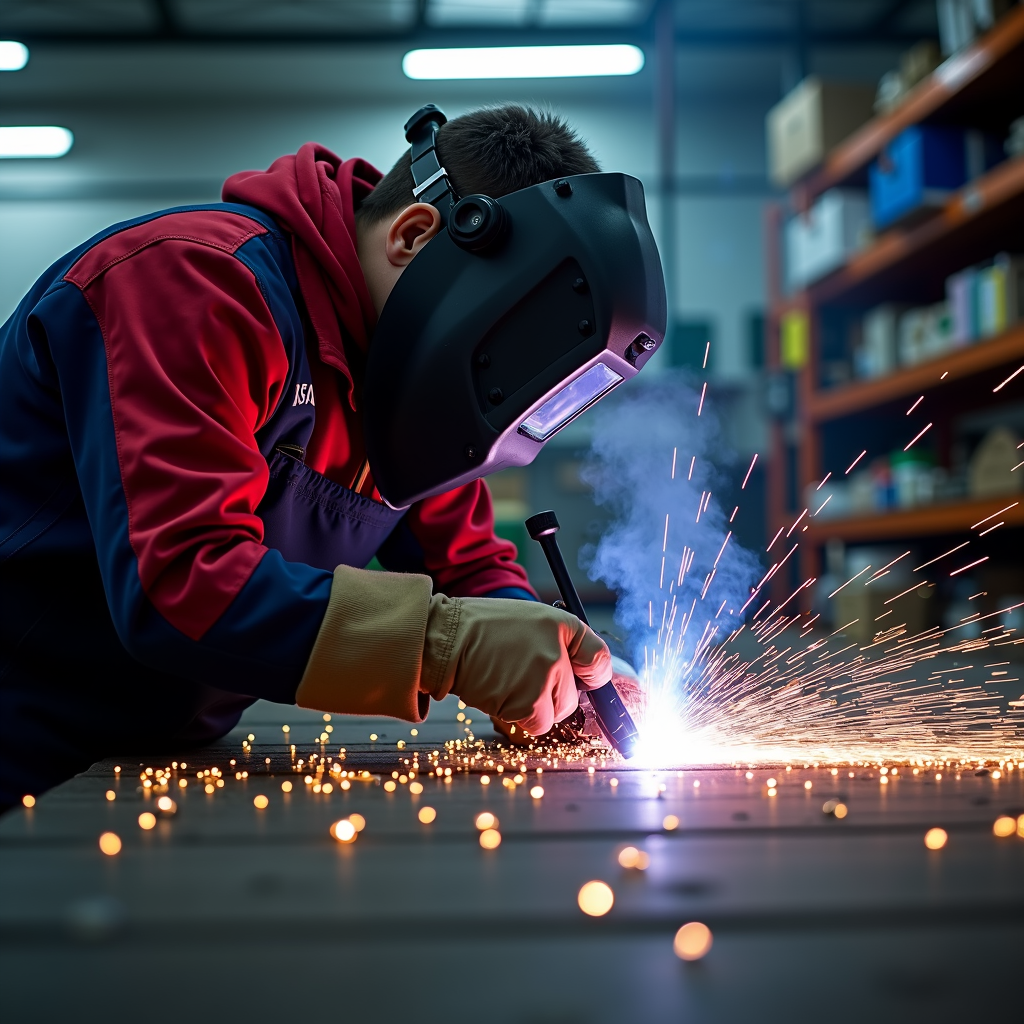
Understanding Your Welding Needs: The Crucial First Step
Before diving into the impressive array of available welding machines, the most critical step—and the one many beginners overlook—is honestly assessing your project requirements. A professional fabrication shop has needs fundamentally different from someone working on a weekend garden project. Trying to buy a powerful, industrial-grade machine when all you need is to mend a rusty swing gate is a recipe for overspending and underutilization. Conversely, buying a basic stick welder when your project requires TIG quality welds will lead to frustration and poor results.
Identifying the Scope of Your Welding Projects
To find top-rated and truly affordable options, you must first define the "scope." Consider these variables:
- Material Thickness: Are you welding thin sheet metal (like aluminum siding) or thick structural steel (like I-beams)?
- Material Type: Are you working with carbon steel, stainless steel, or exotic metals like aluminum? Different metals require wildly different processes and shielding gases.
- Welding Process Preference: What type of weld are you aiming for? (We will cover the main options below).
- Mobility and Power Source: Will this machine be used indoors with access to a dedicated electrical outlet, or will it need to be transported to remote, outdoor job sites?
By answering these questions, you narrow down the entire market landscape and allow you to focus your search on machines designed specifically for your task, making the "affordability" calculation much more accurate.
The Core Processes: Knowing Which Welding Method to Use
Welding is not a single technology; it is an umbrella term covering several distinct metallurgical processes. Think of them as different tools in a craftsman's kit. Choosing the wrong process is the fastest way to poor welds and wasted money.
Shielded Metal Arc Welding (SMAW) – The Stick Welder
The stick welder is arguably the most common and versatile entry point for beginners and structural repair. It uses a consumable electrode (the "stick") coated in flux. This flux is key because it generates the protective gas shield that keeps the weld puddle from oxidizing in the atmosphere.
- Pros: Extremely portable, rugged, and fantastic for dirty, rusty, or wet metals. Very forgiving of surface imperfections.
- Cons: Produces a bulky weld bead, requires constant electrode changes, and can be difficult to achieve high-quality, aesthetic welds.
- Best For: Repairing structural components, outdoor work, field repairs where surface contamination is expected.
Gas Metal Arc Welding (GMAW) – The MIG Welder
MIG welding is often considered the gold standard for home enthusiasts and general fabrication. It uses a continuous wire electrode fed through a machine and protected by externally supplied shielding gas. This process is highly efficient and relatively easy to learn.
- Pros: Fast, produces smooth, consistent, and relatively aesthetically pleasing welds. Much easier to learn than TIG. Great for various materials and thicknesses.
- Cons: More sensitive to wind and requires a steady gas flow. The machine setup can be bulkier than an SMAW machine.
- Best For: General fabrication, working on sheet metal, quick repairs, and most general-purpose household projects.
Gas Tungsten Arc Welding (GTAW) – The TIG Welder
TIG is the most precise and sophisticated process. It uses a non-consumable tungsten electrode and relies solely on filler metal (and sometimes external shielding gas) for the weld pool. Because it provides such precise control, it is used when absolute purity and aesthetic perfection are paramount.
- Pros: Creates the highest quality, most visually appealing, and strongest welds. Ideal for exotic materials and demanding environments.
- Cons: Has the steepest learning curve of the three. Requires more specialized equipment and significantly more practice to master.
- Best For: Welding stainless steel, aluminum (especially high-purity seams), pipeline work, and artistic/showpiece metalwork.
Choosing Your Machine: Considering Power, Amperage, and Form Factor
When evaluating potential purchases, you must look past the marketing buzzwords and focus on three quantifiable elements: Amperage, Input Voltage, and Machine Type.
The Critical Role of Amperage (Amps)
Amperage (measured in Amps) dictates the sheer amount of electrical current the machine can deliver. It is the single most important specification. A higher amperage rating generally means the machine can handle thicker material, making it more capable. However, the ideal amperage depends entirely on the process and material thickness you plan to use. A good rule of thumb is to choose a machine rated for 20% to 30% more amperage than your heaviest expected task. For example, if you plan to weld up to 1/4 inch steel, aim for a machine rated comfortably above the amperage needed for that thickness.
Inverter vs. Transformer Technology
This is the biggest technical hurdle for new buyers. Nearly all modern, reputable machines fall into one of two categories:
- Inverter Machines: These are the modern standard. They convert the incoming AC power into DC power, which allows for much greater efficiency, better arc control, and typically results in smaller, lighter, and more portable units. They offer superior performance for their size and are what most beginners should start with.
- Transformer Machines: These are the older, heavier, and more robust machines. They use large transformers and are extremely durable but are also bulkier, heavier, and generally less efficient, often making them overkill for most residential needs.
DC vs. AC Power Compatibility
Most beginner and intermediate machines operate on standard household Alternating Current (AC) power. However, when considering specialized processes like aluminum welding, you may encounter machines requiring Direct Current (DC). Ensure the machine you buy is rated for the power source where you intend to use it.
Maximizing Value: Finding Affordable and Reliable Options
Looking for "affordable" doesn't mean compromising quality. Finding a balance requires strategic research. Here are three tips for maximizing value:
- Consider the Bundle: Instead of buying the machine and accessories separately, look for comprehensive "starter kits." While the initial outlay might seem higher, these kits usually include essential consumables (wire, rods, gases) and accessories (clamping vice, ground cables), providing better overall value and reducing the need for immediate supplementary purchases.
- Prioritize Safety Features: An affordable machine that lacks proper over-current protection or ground integrity monitoring is dangerous. Spend your extra money on machines with reputable safety standards built in.
- Don't Chase the Lowest Price: A machine priced drastically lower than its competitors might use cheaper internal components, which translates to less reliable performance and increased risk of failure. Research reputable mid-range brands known for excellent customer support and longevity.
Safety First: Essential Gear and Practices
No discussion of welding is complete without a rigorous focus on safety. No matter how affordable or top-rated your machine is, poor safety practices will negate any benefit. Treat welding seriously.
Personal Protective Equipment (PPE) Essentials
- Welding Helmet: Absolutely non-negotiable. Ensure it has an auto-darkening lens (suitable for the amperage you plan to use).
- Gloves: Use heat-resistant leather gloves that cover the wrist.
- Clothing: Wear durable, flame-retardant material (e.g., denim or treated canvas). Never wear synthetic materials that can melt onto the skin.
- Ventilation: Welding fumes contain metal oxides and gases that can be harmful. Always work in a well-ventilated area or use a fume extractor system.
The Importance of Grounding and Setup
The circuit and the ground clamp must be clean metal and make direct, solid contact with the workpiece. A poor ground connection is the number one cause of erratic arc performance and dangerous electrical fluctuations. Use proper clamps and ensure the work area is dry and stable. According to the American Welding Society (AWS) standards, proper ground setup is required for every significant weld.
Advanced Considerations for the Dedicated Welder
As your skills grow and your projects become more complex, there are advanced features you may want to look for in your next machine purchase:
- Pulse Functionality: This feature, common in TIG machines, rapidly cycles the current on and off. It helps create a cleaner weld puddle, especially in stainless steel or aluminum, reducing heat input and stress.
- Digital Readouts: Modern digital controls provide precise settings for wire feed speed, voltage, and amperage, which is crucial for repeatable, professional results.
- Gas Flow Meters: Highly recommended for dedicated MIG users. These meters ensure that the shielding gas pressure remains constant, which is vital for maintaining a perfect arc and preventing atmospheric contamination.
Ultimately, finding the perfect welding machine is about balancing capability, cost, and your personal learning curve. By understanding the fundamental differences between SMAW, MIG, and TIG, and by carefully matching your project demands to the machine's technical specifications (especially amperage and machine type), you can confidently select a top-rated, affordable, and reliable piece of equipment that will serve your needs for years to come.