Finding the Right Loan Options for People on Disability with Bad Credit
Exploring the best loan options for people on disability with bad credit? Discover how tailored lending solutions can open doors, providing potential opportunities suited to diverse financial needs without overpromising results.
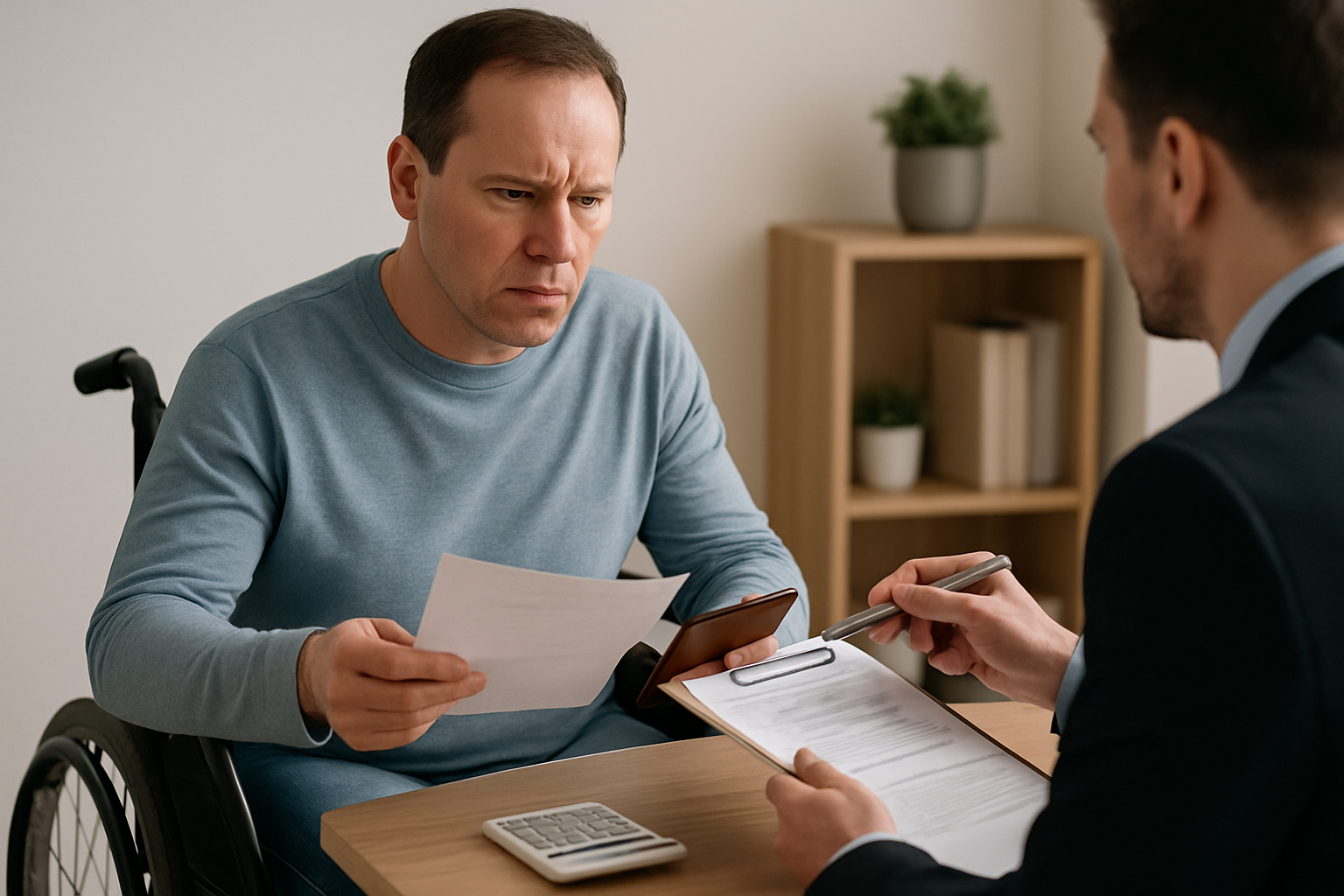
Understanding Loans for People on Disability with Bad Credit
Securing a loan when you are on disability and have bad credit can be a daunting task, but it's not impossible. This article aims to shed light on the different loan options available, what to consider when applying for these loans, and provide practical tips to improve your chances of approval.
Why People on Disability Might Need a Loan
People with disabilities may have unique financial needs. These can arise from medical expenses, adjustments to living spaces, or other personal needs that exceed regular income sources such as Social Security Disability Insurance (SSDI) or Supplemental Security Income (SSI). When savings are not sufficient, a loan can help bridge the gap.
Challenges Faced by People on Disability with Bad Credit
Individuals on disability with bad credit face unique challenges when trying to secure loans. Lenders generally view poor credit as a risk, which means higher interest rates or fewer loan options. Furthermore, fixed disability incomes can limit borrowing capacity, making it crucial to understand all available options.
Loan Options Available
Secured Personal Loans
One possible option is a secured personal loan, where you offer collateral, such as a vehicle or savings account, to reduce the lender’s risk. These loans may offer better interest rates and terms compared to unsecured loans. However, there is a risk of losing your collateral if repayments aren't met.
Payday Alternative Loans (PALs)
Offered by federal credit unions, Payday Alternative Loans (PALs) are small loans with capped interest rates, making them a more affordable option than payday loans. The amounts typically range from $200 to $1,000, and these loans come with a repayment term of one to six months, offering a safer alternative to traditional payday loans.
Peer-to-Peer Lending
Peer-to-peer (P2P) lending platforms connect borrowers with individual investors. Platforms like LendingClub or Prosper evaluate your creditworthiness based on a broad set of criteria beyond just the credit score, which can be beneficial for those with bad credit. Interest rates vary, but loan terms are generally more flexible.
Government Loans and Grants
Some government programs and non-profits offer loans and grants designed to help people with disabilities. For instance, the USDA offers rural housing loans for home modifications and improvements. Research state-specific programs as well, as they might have loans or grants available for those with disabilities.
Credit Union Loans
Joining a credit union may offer people with disabilities a chance to secure a loan with more favorable terms. Credit unions are member-focused and often provide competitive rates and fees. They may also offer financial counseling and support services that can help improve financial health.
Improving Loan Approval Chances
Assessing Your Financial Situation
Before applying for a loan, carefully assess your financial situation. Calculate your monthly expenses, income, and existing debts to understand what you can realistically afford in repayments. This will not only help in selecting the right loan but also in demonstrating to lenders your ability to repay.
Improving Credit Score
While improving a credit score takes time, certain steps can make a significant impact. Make timely payments, reduce existing debts, and check your credit report for any errors. Some financial institutions may offer programs or advice for credit improvement.
Gathering Required Documentation
Having all necessary documentation ready can expedite the application process. Common requirements include proof of income (such as SSDI/SSI statements), monthly expense listings, credit reports, and any other documents that prove your financial standing.
Considering a Co-signer
Enlisting a co-signer with good credit can significantly improve your chance of loan approval. A co-signer agrees to take responsibility if you're unable to repay the loan, which lowers the risk for lenders.
Conclusion
Finding the best loan option when on disability with bad credit involves understanding your specific financial needs, exploring all available loan types, and preparing thoroughly before applying. It's essential to approach this process with a clear plan and as much information as possible to make informed decisions.
Remember that securing a loan should coincide with efforts to improve overall financial health. Explore additional resources or seek professional financial advice if necessary. Lenders value genuine efforts to improve financial reliability, which can in turn open more opportunities.
For more information, consider visiting credible websites like Consumer Financial Protection Bureau or USA.gov.
https://www.usa.gov/benefits-loans-grants
https://www.ssa.gov/benefits/disability/
https://www.consumerfinance.gov/consumer-tools/loans/
https://www.nerdwallet.com/article/loans/personal-loans/personal-loans-for-bad-credit
https://www.lendingtree.com/personal/bad-credit-loans/
https://www.experian.com/blogs/ask-experian/personal-loans-for-bad-credit/
https://www.creditkarma.com/personal-loans/i/personal-loans-for-bad-credit
https://www.upstart.com/personal-loans/bad-credit-loans
https://www.oneMainFinancial.com/personal-loans
https://www.opploans.com/personal-loans/bad-credit-loans/
https://www.lendingpoint.com/personal-loans
https://www.moneylion.com/loans/
https://www.badcreditloans.com/
https://www.incharge.org/debt-relief/personal-loans-for-people-on-disability/