Five Heart-Healthy Foods to Manage Your Cholesterol Levels
Struggling with cholesterol issues and looking to tweak your diet? Discover the top 5 foods to eat that can help manage those cholesterol levels! While these foods may support your health journey, it's important to approach dietary changes with knowledge and care.
Understanding Cholesterol: The Basics
Cholesterol is a waxy substance found in your blood, essential for building healthy cells. While it is necessary for your body, having high cholesterol levels can increase the risk of heart disease. It's crucial to keep cholesterol levels in check through lifestyle and dietary changes.
There are two types of cholesterol to be aware of:
- Low-density lipoprotein (LDL): Often referred to as "bad" cholesterol, high levels can lead to the buildup of plaques in arteries.
- High-density lipoprotein (HDL): Known as "good" cholesterol, it helps carry cholesterol back to the liver, where it can be processed and removed from the body.
Top 5 Foods To Eat If You Have Cholesterol Issues
Adopting a heart-healthy diet can help manage cholesterol levels and promote overall cardiovascular health. Let's dive into five foods that are particularly beneficial for individuals dealing with cholesterol issues.
1. Oats
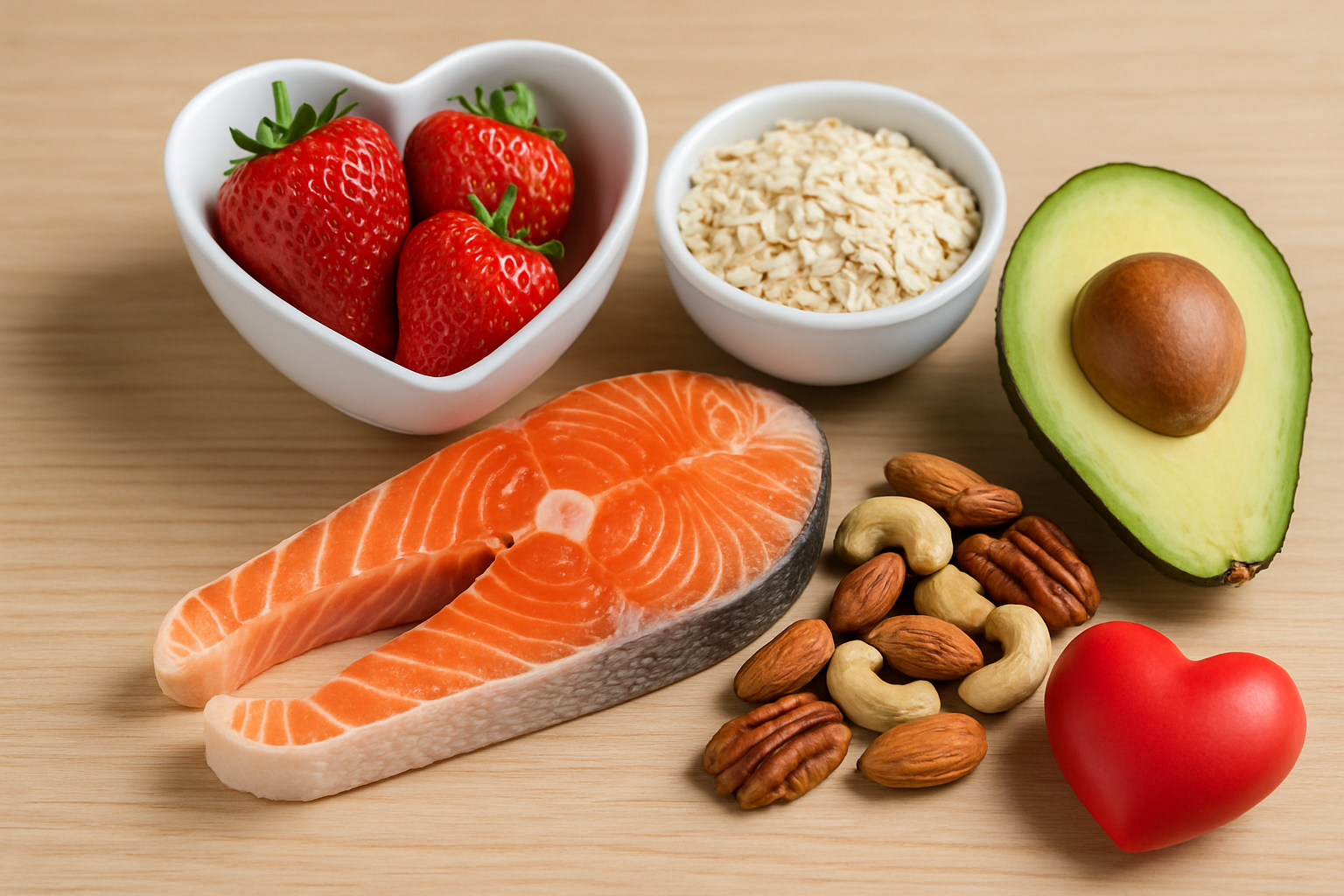
Starting your day with a bowl of oatmeal can significantly impact your LDL cholesterol. Oats contain beta-glucan, a type of soluble fiber that reduces LDL cholesterol. Consuming around 3 grams of beta-glucan a day, found in about 1.5 cups of cooked oatmeal, can lower LDL cholesterol by up to 10%.
Example: Consider swapping your regular cereal for steel-cut oats topped with fresh fruits and a sprinkle of nuts.
2. Fatty Fish
Fatty fish like salmon, mackerel, and sardines are rich in omega-3 fatty acids. Omega-3s can lower LDL cholesterol and triglycerides while boosting HDL cholesterol levels. Additionally, they help reduce inflammation and improve arterial health.
Statistics: According to a 2026 study published in the Journal of Clinical Lipidology, consuming at least 3.5 ounces of fatty fish per week can lead to significant improvements in cholesterol levels.
3. Nuts
Nuts such as almonds, walnuts, and pistachios are a great source of unsaturated fats, fiber, and plant sterols, which have been shown to lower LDL cholesterol levels. Studies suggest that eating a handful of nuts daily can lower LDL by 5-10% over time.
Real-world example: Keep a small bag of mixed nuts at your desk for a healthy snack that supports heart health.
4. Legumes
Beans, lentils, and chickpeas are high in fiber and protein, making them excellent for reducing cholesterol levels. Including legumes in your diet can help decrease LDL cholesterol and provide a filling, nutrient-dense alternative to meat.
Tip: Try adding black beans to your salads or swapping meat for lentils in your stews and soups to increase your legume intake.
5. Avocados
Avocados are rich in monounsaturated fats known for their heart-healthy benefits. These fats help lower LDL cholesterol without affecting HDL cholesterol. Moreover, avocados are nutrient-dense and provide fibers and antioxidants beneficial for cardiovascular health.
Creative use: Enjoy avocado on whole-grain toast or blend it into a smoothie for a creamy texture and a cholesterol-lowering boost.
Additional Lifestyle Changes for Managing Cholesterol
While diet plays a critical role in managing cholesterol, other lifestyle factors can also contribute significantly to cardiovascular health:
- Exercise regularly: Physical activity helps raise HDL cholesterol and lower total cholesterol levels.
- Avoid smoking: Quitting smoking can improve HDL cholesterol and benefit heart and lung health.
- Maintain a healthy weight: Staying within a healthy weight range can help keep cholesterol levels in check.
Monitoring Your Cholesterol: When and How?
Regular cholesterol screenings are vital, especially if you have a family history of heart disease or other risk factors. Generally, adults should have their cholesterol checked every 4-6 years. If you have high cholesterol or other cardiovascular risk factors, your healthcare provider may recommend more frequent monitoring.
Source links for further reading: