Future-Proof Your Home with Automatic Backup Power Solutions
Discover how these innovative home backup systems can help maintain a steady flow of electricity during outages. By seamlessly integrating with your existing setup, these systems automatically kick in when the power goes out, ensuring minimal disruption.
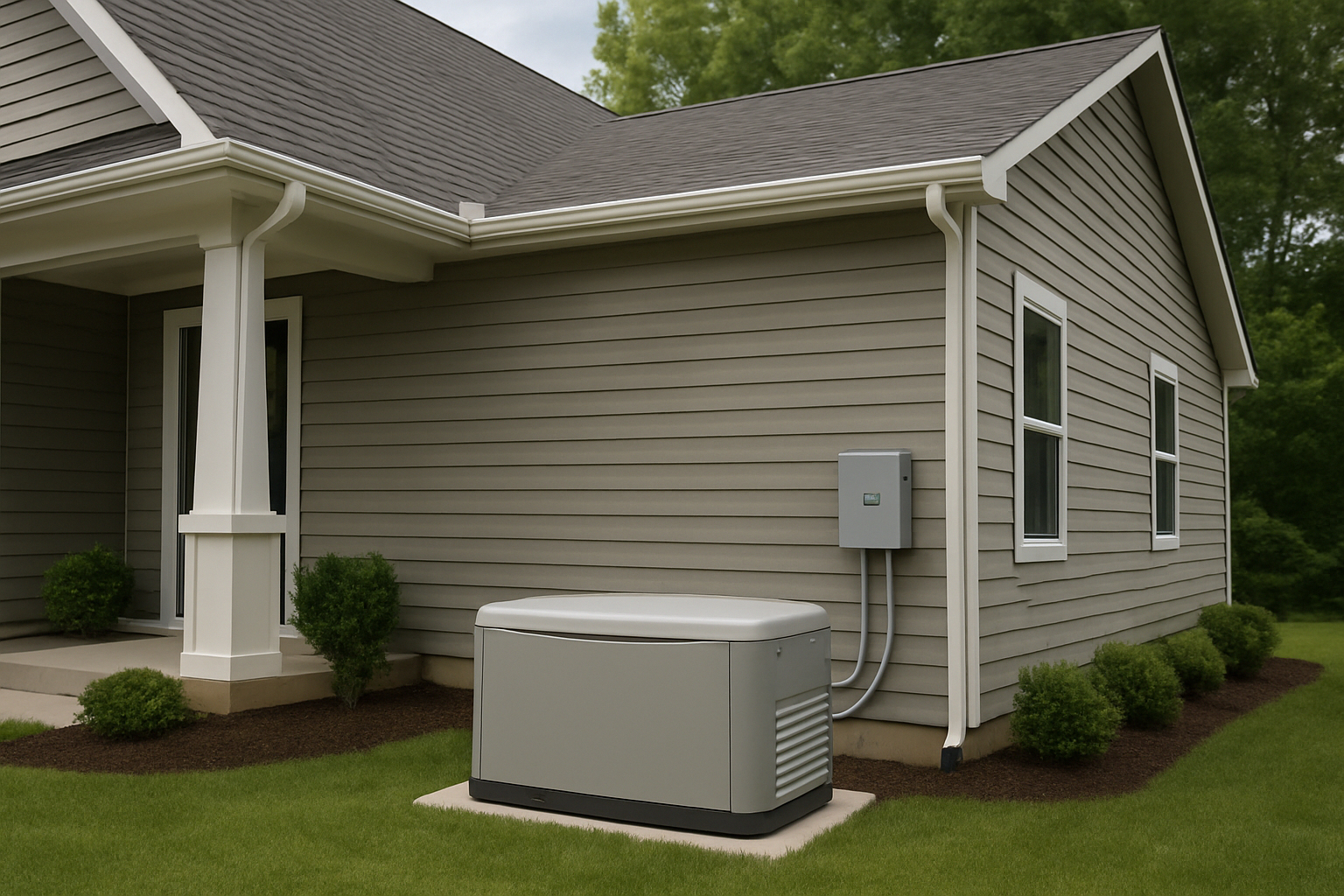
Understanding Home Backup Systems
Home backup systems have become essential in ensuring continuity in our daily lives during power outages. These systems are designed to automatically restore electricity, providing peace of mind and maintaining essential home functions even when the grid goes down. As more people become reliant on electronic devices and smart home technology, the importance of having a dependable backup system cannot be overstated.
Typically, home backup systems come in the form of generators or battery storage systems, each with distinct features and advantages. By understanding the functionality and benefits of these systems, homeowners can make informed decisions about which type of backup system best suits their needs.
How Do Home Backup Systems Work?
The primary function of a home backup system is straightforward: to provide electricity during a power outage. When the main power supply fails, home backup systems kick in automatically, minimizing downtime and inconvenience.
Automatic Operation
Most modern home backup systems are equipped with automatic transfer switches. These devices constantly monitor the power supply and, upon detecting an outage, they trigger the backup system to begin supplying power within seconds. After the main power source is restored, the system switches back, ensuring a seamless transition.
Types of Backup Systems
There are primarily two types of home backup systems:
- Standby Generators: These are permanent installations connected directly to a home’s electrical system. Powered by natural gas, propane, or diesel, they offer high power output and can support large homes with multiple appliances.
- Battery Storage Systems: These systems store electricity generated by solar panels or the grid when electricity prices are low. They provide a cleaner, quieter, and more environmentally friendly alternative to traditional generators.
Why Are Home Backup Systems Important?
With the increasing frequency of extreme weather events and strain on aging grid infrastructures, power outages are becoming more common. Home backup systems offer a reliable solution to ensure safety, comfort, and productivity are maintained during these outages.
Benefits of Home Backup Systems
Some notable advantages include:
- Continuous Power: Maintain power for essential services like heating, cooling, and refrigeration.
- Increased Home Value: A reliable backup system can enhance property value and appeal.
- Reduced Discomfort and Disruption: Avoid the stress and inconvenience caused by prolonged outages.
- Long-term Cost Savings: Minimize potential losses from food spoilage and prevent costly equipment damage.
Choosing the Right Home Backup System
Selecting the right home backup system involves evaluating several factors, including power needs, budget, and environmental considerations. Here's a guide to help you decide:
Power Requirements
Assess the critical appliances and devices that require power during an outage. Calculate their total wattage to determine the capacity needed from a backup system. Standby generators typically offer higher capacities compared to battery storage systems, making them suitable for larger homes.
Environmental Impact
Consider the environmental footprint of each option. Standby generators, while effective, may produce emissions and noise. In contrast, battery storage systems, particularly when paired with solar panels, offer a greener and quieter alternative.
Cost Considerations
Budget plays a crucial role in deciding the system to install. Initial costs for generators tend to be higher due to installation complexity, whereas battery systems might have higher upfront costs due to the price of batteries. However, over time, battery systems can offer cost savings through energy efficiency and lower fuel costs.
Real-World Applications and Trends
In 2026, a growing number of households are integrating smart technologies with backup systems for enhanced efficiency. For example, smart home systems can now manage energy usage during an outage, prioritizing critical loads and extending the backup power duration.
Recent advancements have also made backup systems more accessible and customizable. Consumers can choose hybrid systems that combine solar, battery, and generator technologies, optimizing energy usage based on availability and cost.
Conclusion
Investing in a home backup system ensures resilience in the face of increasingly frequent and unpredictable power outages. Whether choosing a traditional generator or a modern battery system, homeowners can protect their households, maintain comfort, and contribute to more sustainable energy practices.
For further reading and to make an informed decision, homeowners are encouraged to consult resources such as the Energy Star guidelines on home energy systems and check out the U.S. Department of Energy for insights on renewable energy integration.