Get the Best Deal: Walmart's Clearance on Keurig K-Prime Coffee Makers
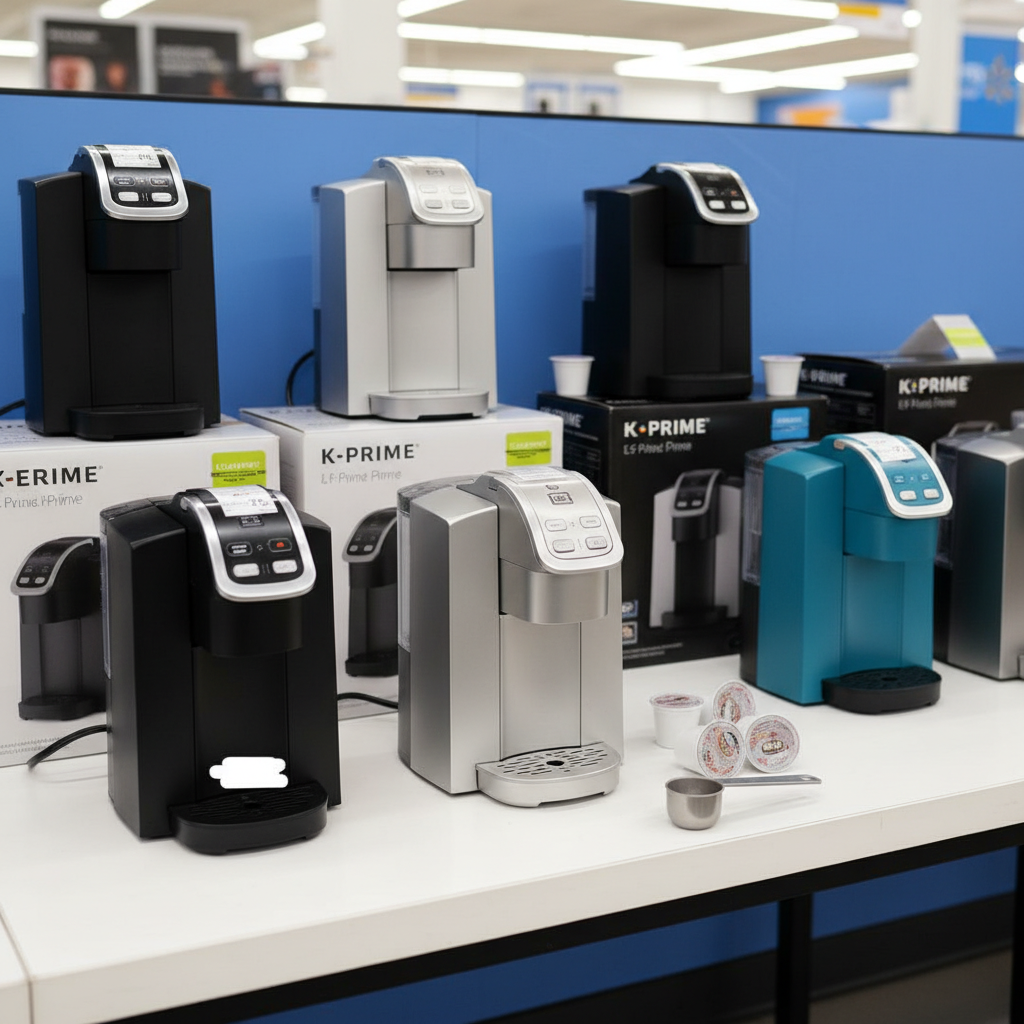
Yes, the rumors are true: Walmart is clearing out its stock of popular Keurig K-Prime coffee makers to make way for new inventory. With several different models included in the sale, knowing the key differences is crucial before you decide to grab one.
Exploring the Features of the Keurig K-Prime Coffee Maker
As retailers like Walmart adjust their inventory, certain models often become more prominent, offering consumers a chance to explore their features in detail. The Keurig K-Prime single-serve coffee maker is one such appliance that has garnered attention. Understanding its specific capabilities is key for anyone considering how it might fit into their daily coffee routine. This machine is designed to offer a blend of convenience, customization, and Keurig's signature brewing technology. Let's dive into the core features that define the Keurig K-Prime experience.
Key Features of the Keurig K-Prime
The K-Prime is more than just a basic pod coffee maker. It incorporates several of Keurig's more advanced technologies designed to enhance the flavor and versatility of each cup. Below is a detailed breakdown of its standout functionalities.
1. MultiStream Technology™
One of the most significant advancements in modern Keurig machines is the inclusion of MultiStream Technology™. Unlike older models that used a single needle to puncture the K-Cup pod and saturate the coffee grounds, this technology employs a five-needle system. These five streams of water are strategically dispersed to saturate the grounds more evenly and thoroughly within the pod. The goal is to extract the full flavor and aroma from the coffee, resulting in a richer and more balanced cup.
This feature directly addresses a common critique of early single-serve brewers, where uneven water distribution could lead to a weaker or less flavorful brew. By ensuring that every part of the coffee grounds is fully engaged in the brewing process, the K-Prime aims to deliver a taste profile that is closer to what you would expect from more traditional brewing methods, all while maintaining the speed and convenience of the K-Cup system.
2. "Strong" Brew Setting
For those who prefer a more robust and intense coffee experience, the Keurig K-Prime includes a dedicated "Strong" brew button. Activating this setting alters the brewing process slightly to produce a bolder cup. It works by slowing down the rate at which water passes through the K-Cup pod. This extended contact time between the hot water and the coffee grounds allows for a more significant extraction of coffee solids and oils.
The result is a coffee with a deeper flavor and a more pronounced taste profile. This feature is particularly useful when brewing darker roasts or for anyone who feels that standard single-serve brews are sometimes too mild for their liking. It provides an easy, one-touch way to customize the intensity of your beverage without having to switch to a different type of coffee pod.
3. "Iced" Coffee Setting
The ability to brew over ice without creating a watered-down drink is a highly sought-after feature, and the K-Prime addresses this with its "Iced" setting. When this mode is selected, the brewer automatically adjusts the brewing temperature and volume. It starts by brewing the coffee at a hotter temperature to extract the full flavor, but then it cools down slightly as it dispenses a more concentrated, smaller volume of coffee.
This process is specifically designed to be poured over a full cup of ice. The initial hot, concentrated brew melts some of the ice, but because the volume is lower, it doesn't dilute the final beverage as much as a standard hot brew would. This results in a chilled, refreshing iced coffee that retains its bold flavor, making the machine a versatile, year-round appliance.
4. Multiple Brew Sizes
Flexibility is a cornerstone of the K-Prime's design, evident in its multiple brew size options. The machine typically allows users to choose from 8, 10, or 12-ounce serving sizes. This customization lets you tailor the amount of coffee to your cup size and desired strength. A smaller 8-ounce brew will naturally be more concentrated and stronger, while a larger 12-ounce brew will be milder.
This feature is practical for households with multiple users who have different preferences. One person might prefer a small, strong cup to start their day, while another might want a larger, more moderate brew for their travel mug. The simple button interface makes it easy to select your preferred size for each brew cycle, providing consistent results every time.
5. Large 60-ounce Water Reservoir
Convenience is often measured by how little effort is required for daily use. The Keurig K-Prime is equipped with a large, 60-ounce side-mounted water reservoir. This generous capacity means you can brew multiple cups of coffee—typically around six to seven, depending on the brew size selected—before needing to refill the tank. This significantly reduces the frequency of refilling, which is a major convenience, especially during busy mornings or when entertaining guests.
Furthermore, the reservoir is removable, making it easy to carry to the sink for refilling and cleaning. A clear design also allows you to see the water level at a glance, so you know exactly when it's time for a top-up. This thoughtful design element enhances the overall user-friendliness of the machine.
The Evolution of Single-Serve Coffee Brewing
The concept of single-serve coffee has fundamentally changed how millions of people consume coffee at home and in the office. Before Keurig popularized the pod-based system in the early 2000s, home coffee was dominated by large-batch drip coffee makers. While effective, these machines often led to stale, burnt coffee sitting on a hot plate or wasted pots when only one or two cups were needed. The single-serve brewer offered a revolutionary solution: a fresh, hot cup of coffee brewed in under a minute with minimal cleanup.
Early models focused on this core premise of speed and convenience. However, as the market matured, consumer demands grew. Coffee aficionados sought better flavor extraction, more customization, and greater versatility. This pushed companies like Keurig to innovate. The introduction of features like the "Strong" brew setting was a direct response to feedback that pod coffee could be too weak. The development of MultiStream Technology was a technical solution aimed at perfecting the extraction process to rival other brewing methods. The K-Prime is a product of this evolution, bundling these second-generation features into a single, accessible machine that aims to balance convenience with quality.
Common Questions About Keurig Systems
As you explore the features of a specific model like the K-Prime, several broader questions about the Keurig ecosystem often arise. Understanding these can provide a more complete picture of the ownership experience.
Can You Use Your Own Coffee Grounds in a Keurig?
Yes, you can. While Keurig is famous for its disposable K-Cup pods, the company also produces a reusable filter accessory called the "My K-Cup Universal Reusable Coffee Filter." This small basket allows you to fill it with your own favorite ground coffee, close the lid, and place it in the machine's pod holder just like you would a regular K-Cup.
Using a reusable filter offers two main benefits. First, it opens up a nearly limitless world of coffee choices, allowing you to use beans from local roasters or specialty brands that don't offer K-Cups. Second, it can be more cost-effective in the long run, as buying bags of ground coffee is often cheaper per ounce than buying pre-packaged pods. It also reduces plastic waste, which is an important consideration for many environmentally-conscious consumers.
How Do You Properly Maintain a Keurig Coffee Maker?
Proper maintenance is crucial for ensuring your Keurig brewer functions correctly and has a long lifespan. The most important maintenance task is descaling. Over time, mineral deposits (scale) from water can build up inside the heating elements and water lines, which can affect the machine's performance, brew temperature, and taste. Keurig recommends descaling your brewer every three to six months, depending on the mineral content of your water.
The process involves running a cycle with Keurig's descaling solution (or a homemade solution of water and vinegar) through the machine to dissolve the buildup. In addition to descaling, regular cleaning is important. The removable parts, like the drip tray and water reservoir, should be washed periodically. It's also a good idea to use a paperclip to clear any potential clogs from the exit and entrance needles in the pod holder to ensure water can flow freely.
What Makes Keurig Different from a Drip Coffee Maker?
The primary difference lies in the brewing method and intended use. A traditional drip coffee maker is designed for brewing in batches. It heats a large volume of water and slowly drips it over a bed of coffee grounds in a filter basket, producing a full pot of coffee over several minutes. This is ideal for serving multiple people at once or for someone who drinks several cups throughout the morning.
A Keurig, on the other hand, is a single-serve, on-demand system. It brews one cup at a time, typically in about a minute. The convenience factor is its main selling point—there's no measuring, no messy grounds, and minimal cleanup. It offers variety, as each person can brew a different flavor or type of coffee. However, the cost per cup is generally higher than with drip coffee, and it generates more packaging waste unless a reusable filter is used.
Conclusion
The Keurig K-Prime coffee maker stands as a representation of the modern single-serve brewer, integrating features designed to enhance flavor, strength, and versatility. With capabilities like MultiStream Technology for better extraction, customizable brew settings for strong or iced coffee, and a large water reservoir for convenience, it addresses many of the needs of today's coffee drinkers. Understanding these specific functions and the broader context of single-serve brewing provides a clear, factual basis for evaluating how such an appliance might operate in a daily setting.
For more information, you can visit: