Guide to Healthy Walking: How Many Miles a Day Should You Walk with Osteoporosis?
Wondering how many miles a day you should walk with osteoporosis? Walking can be beneficial, but it's important to find the right balance. Discover tips for staying active safely while managing osteoporosis. Learn how regular walking might support bone health and what factors to consider.
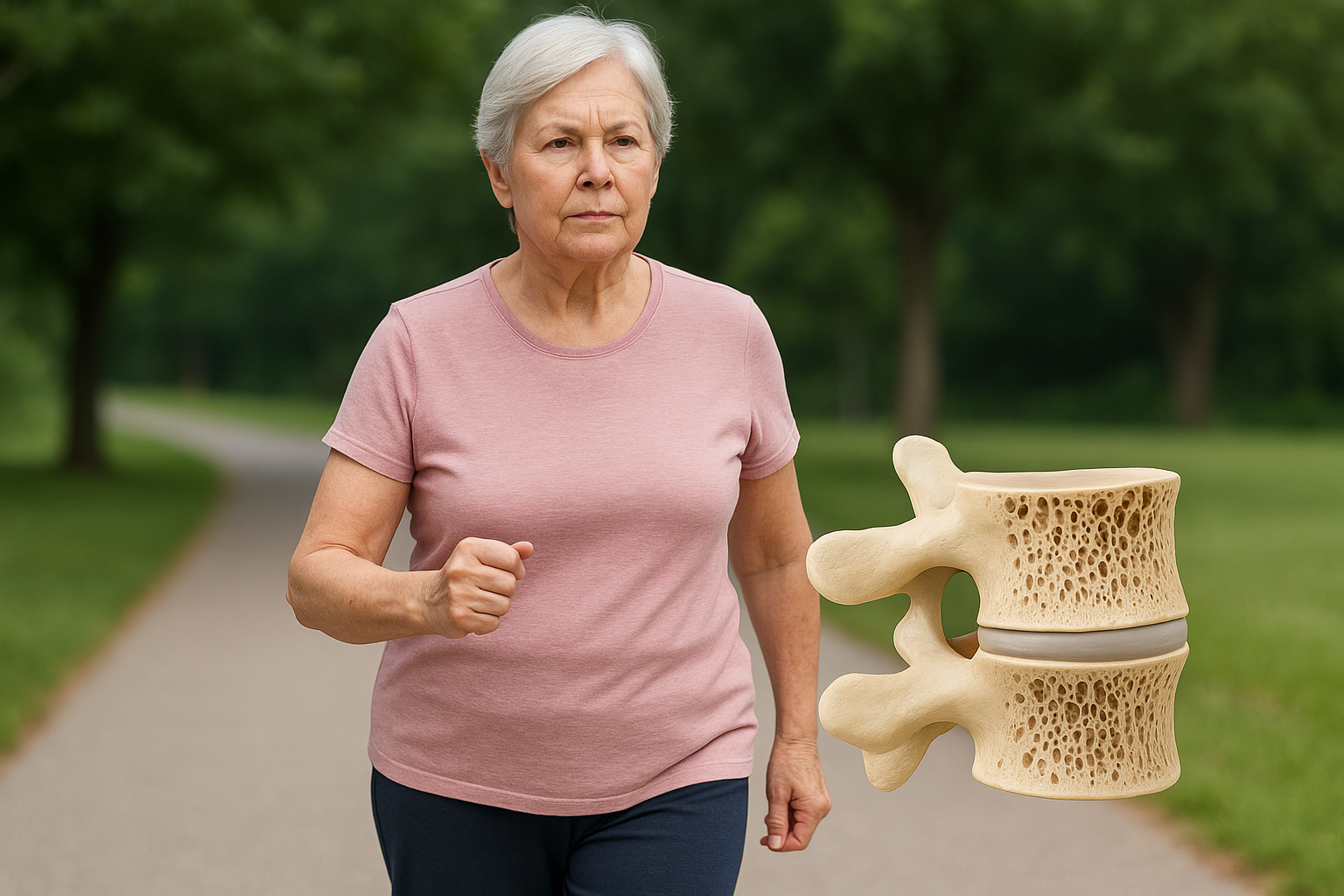
Understanding Osteoporosis and the Role of Walking
Osteoporosis is a condition characterized by weakened bones, which increases the risk of fractures and breaks. It affects millions globally, particularly older adults and postmenopausal women. Managing osteoporosis involves lifestyle changes, medication, and regular exercise. Walking is often recommended as a beneficial, low-impact exercise that helps maintain bone health and improve overall well-being.
Why Walking is Beneficial for Osteoporosis
Walking is a weight-bearing exercise, meaning it forces your bones to work against gravity. This activity stimulates bone-forming cells, leading to increased bone density. Moreover, walking improves balance and coordination, which can help prevent falls—a major concern for individuals with osteoporosis.
How Many Miles a Day Should You Walk?
The amount of walking beneficial for osteoporosis may vary depending on individual health status and physical condition. However, general recommendations suggest that walking 3 to 5 miles per week can have positive impacts on bone health.
Starting Slowly and Safely
If you're new to walking or have significant osteoporosis, it's essential to start slowly. Begin with short walks of 5-10 minutes in duration and gradually increase both time and distance as your strength and endurance improve. Aim to eventually incorporate brisk walks of 30 minutes most days of the week.
Listening to Your Body
While walking, pay close attention to how your body feels. It's crucial to maintain a pace that's comfortable and manageable. Challenge yourself, but avoid pushing to the point of pain or discomfort. Consider using a pedometer or fitness tracker to monitor your progress and ensure you're meeting your goals.
Incorporating Walking into Your Lifestyle
- Set Realistic Goals: Start with achievable targets and celebrate your progress to stay motivated.
- Wear Right Footwear: Invest in quality walking shoes that provide support and cushioning to reduce impact on bones.
- Create a Routine: Schedule regular walk times to establish a habit and make adherence easier.
- Social Walking: Consider joining a walking group or inviting friends to make the activity more enjoyable and accountable.
Supplementing Walking with Other Activities
While walking is beneficial, combining it with other exercises can enhance bone health further. Strength training, yoga, and tai chi can improve muscle strength, flexibility, and balance, which are all advantageous for those with osteoporosis.
Strength Training
Incorporate light weights or resistance bands into your exercise routine 2-3 times a week. This type of exercise stimulates bone growth and increases muscle mass, which helps support and protect bones.
Mind-Body Exercises
Practices like yoga and tai chi enhance balance, flexibility, and mental health. Performing these exercises can lead to greater confidence and reduced fall risk, an essential component of managing osteoporosis effectively.
Consulting with Healthcare Professionals
Before starting any new exercise regimen, especially if you have osteoporosis, it's vital to consult with healthcare professionals. Your doctor can assess your condition, recommend customized exercise programs, and guide you towards safe and effective activities. They may also suggest working with a physical therapist to ensure proper form and technique.
Staying Informed with Recent Research
Keeping up-to-date with the latest studies and guidelines on osteoporosis and exercise can be beneficial. In 2026, new research continues to support the role of regular physical activity, including walking, in maintaining and improving bone density. For further reading, reputable sources such as National Osteoporosis Foundation and CDC provide comprehensive information and updates.
Conclusion
Walking is an accessible, effective exercise that significantly boosts bone health for individuals with osteoporosis. By incorporating walking into your daily routine, setting achievable goals, and combining it with other activities, you can enhance your quality of life and manage your osteoporosis more effectively. Always consult healthcare professionals to tailor the best approach for your specific health needs.