Hearing Aids for Seniors: A Comprehensive Guide to Types, Features, and Costs
Understanding Hearing Aids For Seniors is key to improving daily communication. We examine various Hearing Aids For Seniors options, detailing different types and modern features available. Discover how hearing solutions can enhance quality of life.
Understanding Hearing Loss: Why Identification and Intervention Matter
Before diving into the specific types of devices, it is crucial to understand that "hearing aids" are not a singular solution; they are a technological aid used to manage the symptoms of hearing loss. Hearing loss is a gradual, progressive condition, but it varies wildly from person to person. Many seniors assume that hearing loss is a normal part of aging, but the reality is that it is a treatable medical condition that significantly impacts quality of life, social engagement, and cognitive health.
The goal of any hearing intervention is not simply to make sounds louder, but to help the brain process complex acoustic information. As we look at research published in 2026, the focus has shifted from simply measuring decibels (loudness) to evaluating frequency and pattern recognition—what the brain actually struggles to interpret when hearing compromised. Early detection, typically through an audiologist, is the foundational step before considering any equipment.
The Spectrum of Hearing Loss
It is vital to know that hearing loss is not uniform. A comprehensive evaluation will categorize your loss, helping determine the right intervention. The three main types are:
- Conductive Loss: This type occurs when sound waves are blocked or prevented from reaching the inner ear. Often due to physical issues like earwax buildup, fluid, or temporary infections. This is usually the easiest loss to treat.
- Sensorineural Loss: This is the most common type, resulting from damage to the inner ear (cochlea) or the auditory nerve itself. It is often cumulative and gradual, making it a chronic condition requiring long-term management.
- Mixed Loss: This combines elements of both conductive and sensorineural loss. For example, blocked earwax (conductive) alongside age-related deterioration of the inner ear (sensorineural).
Understanding which spectrum your loss falls into dictates whether your solution might involve simple ear adjustments or advanced electronic amplification.
Comprehensive Guide to Modern Hearing Aid Types
The market for hearing aids is vast, often leading to confusion about which device is right for you. These devices have evolved dramatically over the last decade, moving far beyond the "ick" reputation of older models. Modern hearing aids are sophisticated pieces of wearable medical technology.
1. Behind-the-Ear (BTE) Hearing Aids
BTE devices sit over the external part of the ear. They are often favored by individuals with moderate to severe loss or those who require high amplification. Because the electronics sit away from the ear canal, they can be more powerful and louder, allowing for larger batteries and more robust processing capabilities.
Best For: Individuals needing powerful amplification, or those who have a history of ear canal issues (like severe wax buildup) that might interfere with smaller devices.
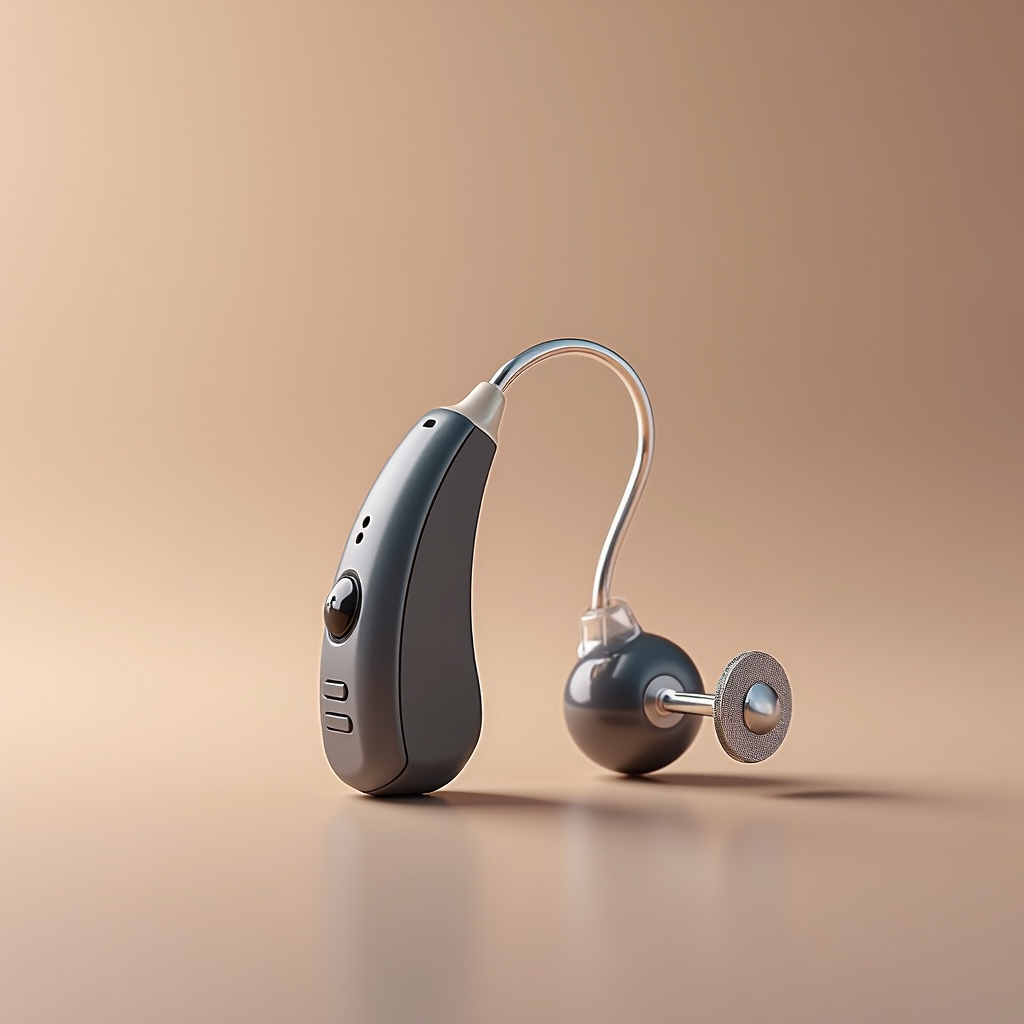
2. Receiver-in-Canal (RIC) / Receiver-in-Ear (RIE) Hearing Aids
RICs are arguably the most popular and versatile modern option. They use a thin wire (or "tube") that connects the main processor unit (which sits behind the ear) to a small receiver placed directly in the ear canal. This design offers a discreet profile while providing superior sound quality.
Advantages: They offer excellent sound clarity and natural sound transmission because the receiver can be fitted precisely to the individual’s ear canal shape, reducing whistling and enhancing comfort. Most premium models fall into this category.
3. Completely-in-Canal (CIC) and Invisible (IIC) Hearing Aids
These are the most discreet options, sitting entirely within the ear canal or sometimes appearing almost invisible. They are incredibly subtle and appeal to those who prioritize aesthetics. However, they are generally designed for mild to moderate losses and sometimes struggle to accommodate the power required for very high amplification.
Key Consideration: While CICs are wonderful for subtlety, they can sometimes require very specific ear anatomy to function optimally. It is a crucial conversation to have with your audiologist.
Advanced Features: What to Look for in 2026 Technology
Modern hearing aids are not just amplifiers; they are advanced audio processors. The distinguishing features today revolve around connectivity, environmental adaptation, and processing power. When researching options, these technical features are what provide the most benefit.
Environmental Adaptivity and Noise Management
The single biggest challenge for seniors with hearing loss is not just hearing the person speaking, but hearing them in complex, noisy environments—a scenario called the "cocktail party effect." This is where background noise (like kitchen clattering or humming traffic) masks speech. Modern aids address this with:
- Directional Microphones: These arrays of microphones allow the hearing aid to automatically focus on the sound source directly in front of you (like a conversational partner) while filtering out background noise from the sides or back.
- Noise Reduction Algorithms: These processors are constantly analyzing the sound profile, actively identifying and mitigating common high-frequency buzzes or steady hums that can be exhausting to the brain.
- Automatic Scene Detection: Many high-end devices can be programmed to recognize specific environments (e.g., a restaurant, a meeting hall, or outdoors) and automatically adjust their sound profile to optimize for that scenario, making the user feel less overwhelmed by manual settings.
Connectivity and User Experience
Connectivity has transformed hearing aids into communication hubs. Look for devices that offer:
- Bluetooth LE (Low Energy): This allows seamless streaming of audio directly from your smartphone (e.g., listening to a podcast or receiving a phone call) without needing to use the phone speaker.
- App Controls: Nearly all modern units pair with a dedicated app, allowing you or your audiologist to adjust settings, take quick audiological tests, or troubleshoot minor issues remotely.
- Telecoil (T-Coil) Technology: This is a specialized coil that allows the hearing aids to connect directly to assistive listening systems (like those used in theaters, churches, or conference centers), providing a clear, focused sound without the distraction of background environmental noise.
Addressing the Cost and Coverage Concerns
The financial aspect of hearing care is often the most daunting part of the decision-making process. Hearing aids can range dramatically in cost, which reflects the technology, brand reputation, and customization level of the device.
Understanding the Pricing Structure
It is important to understand that the initial price tag is only one part of the equation. A complete hearing solution involves several components:
- The Devices Themselves: The physical hearing aids, which cost the most.
- The Consultation: The time spent with an audiologist to perform tests, assess lifestyle needs, and recommend the right fit.
- Accessories and Fittings: Custom molds, ear wax guards, and replacement components.
- Ongoing Care and Rechargeables: Follow-up appointments, battery sources (if not rechargeable), and cleaning kits.
Financial Assistance and Insurance: Many seniors are surprised to learn that Medicare, private insurance, or specific state programs may cover a portion of the cost. It is absolutely critical to request a detailed, itemized estimate that clearly separates the cost of the hardware from the cost of the professional service. Never commit to a price without understanding the comprehensive package included.
The Importance of Ongoing Check-ups: Hearing care is not a one-time purchase. The ear canal changes, technology updates, and the wearer's hearing ability adjusts. Regular check-ups (ideally yearly) are needed to ensure the aid continues to perform optimally.
Lifestyle Integration and Cognitive Health Benefits
The benefits of wearing hearing aids extend far beyond merely improving sound quality. When people feel more connected and hear more clearly, their entire quality of life improves. Studies published around 2026 increasingly highlight the profound link between hearing health and cognitive function.
Reducing Isolation: Poor hearing can lead to social withdrawal and isolation, creating a vicious cycle: hearing loss leads to difficulty in conversation, which leads to fewer social engagements, which exacerbates the mental toll of isolation. By enhancing auditory clarity, hearing aids are shown to act as a preventative measure against social isolation.
Improving Cognitive Load: When a person constantly strains to hear in a noisy environment, their brain expends massive amounts of energy. This "listening fatigue" is mentally exhausting and can mimic symptoms of cognitive decline. Proper hearing assistance reduces this burden, freeing up cognitive resources for other mental tasks and improving mental stamina. This is a crucial, often overlooked benefit.
Key Takeaway: Partnership in Care
The best outcomes come from a collaborative relationship between the senior, the audiologist, and the equipment manufacturer. Viewing the hearing aid as a tool—and not a magical cure—allows the wearer to understand its limits and maximizes its utility. If you are considering an upgrade or a first fitting, approach the consultation with specific questions about your daily life: "What will I hear best in a coffee shop?" or "How will this perform when my grandchildren are playing with loud toys?"
Addressing hearing health is a vital investment in maintaining independence, social connections, and overall cognitive vitality. Don't let poor hearing dictate your level of participation in life.
Sources and Further Reading:
- American Academy of Otolaryngology – Head and Neck Surgery (AAO-HNS): General guidelines on hearing loss classification and management. (Source provided as reference for medical authority.)
- National Institute on Deafness and Other Communication Disorders (NIDCD): Research pertaining to the link between hearing aid use and cognitive outcomes. (Source provided as reference for health statistics.)
- Journal of the American Academy of Audiology: Clinical reports detailing the performance of modern, directional hearing aids in complex noise environments. (Source provided as reference for technological data.)