How Fiber Pills Can Support Digestive Regularity
If you're looking to fiber pills for constipation relief, you're in the right place. But not all fiber supplements are created equal, and choosing between options like psyllium, methylcellulose, and others can be confusing.
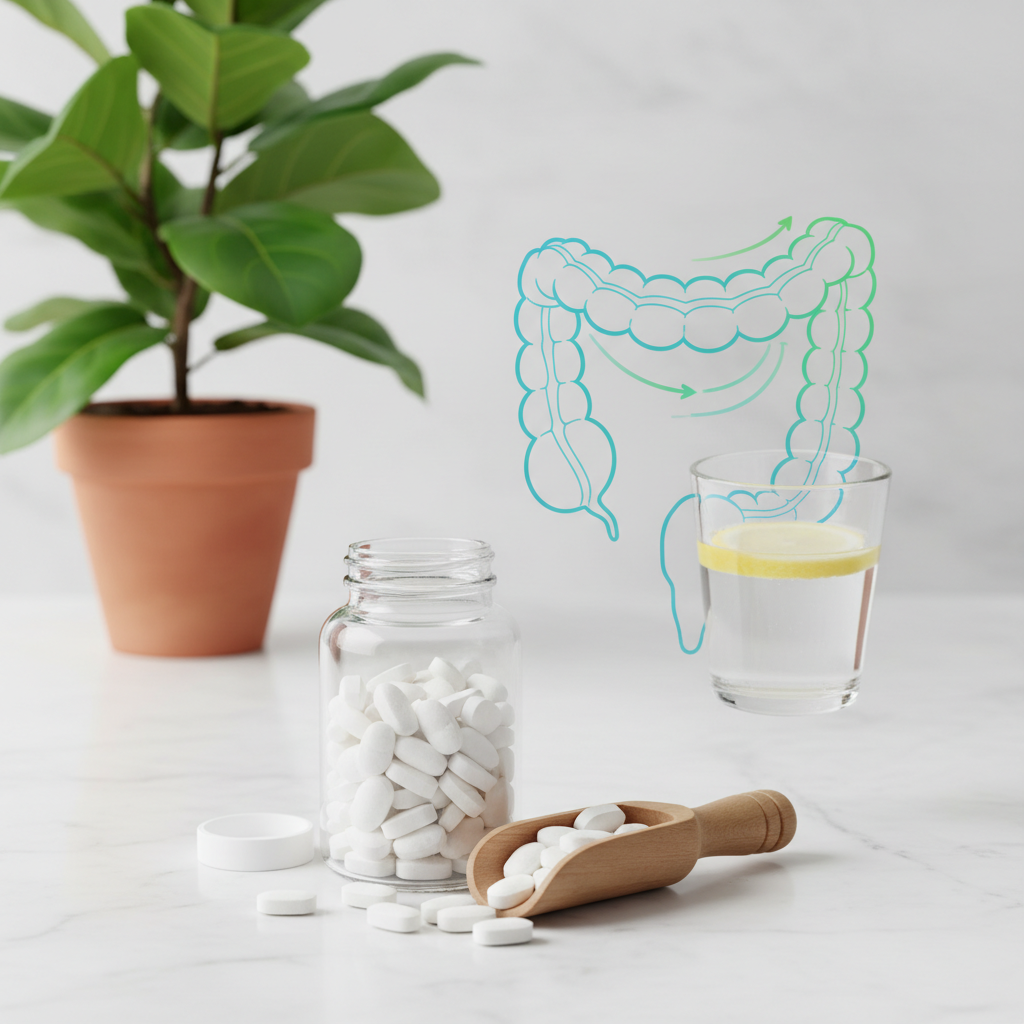
Key Types of Fiber Used in Pills for Constipation
When you're dealing with the discomfort of constipation, fiber pills can seem like a straightforward solution. However, not all fiber is created equal. The effectiveness of a fiber supplement often comes down to the type of fiber it contains. Understanding these different types can help you understand how they work within your digestive system to promote regularity. Most fiber pills use bulk-forming fibers that work by absorbing water in the intestines, which softens and increases the size of your stool, making it easier to pass.
Let's explore some of the most common types of fiber found in over-the-counter supplements and how each one functions to relieve constipation.
1. Psyllium Husk
Psyllium is one of the most popular and well-researched fiber supplements available. Derived from the husks of the Plantago ovata plant's seeds, it is a rich source of soluble fiber. When you take a psyllium pill and drink water, the fiber absorbs the liquid in your digestive tract and swells to form a viscous, gel-like substance. This gel helps to soften stool that is hard and difficult to pass, which is a primary characteristic of constipation. By increasing the moisture content and overall bulk, psyllium makes bowel movements smoother and more regular.
Beyond its primary function as a bulk-forming laxative, psyllium is also known as a prebiotic fiber. This means it can serve as a food source for the beneficial bacteria living in your gut. A healthy gut microbiome is crucial for overall digestive health, and by nourishing these good bacteria, psyllium can contribute to a healthier digestive environment in the long run. However, because it is fermentable, some individuals may experience gas or bloating, especially when first starting to use it.
2. Methylcellulose
Methylcellulose is a synthetic, man-made fiber that is also classified as a soluble, bulk-forming agent. Unlike psyllium, it is non-fermentable, which is a key advantage for individuals who are sensitive to the gas and bloating that can sometimes accompany other fiber types. Because the bacteria in your gut cannot break it down, it passes through the digestive system largely intact, minimizing the production of gas while still performing its essential function.
Similar to psyllium, methylcellulose works by absorbing water in the intestines to create a softer, bulkier, and more easily passable stool. It is often considered one of the gentler fiber supplements, making it a suitable choice for people with sensitive stomachs or those who have had negative experiences with more fermentable fibers. It's crucial to take methylcellulose with a full glass of water to ensure it works correctly and to prevent any risk of choking or blockage in the esophagus.
3. Calcium Polycarbophil
Calcium polycarbophil is another synthetic bulk-forming fiber that is highly effective for treating constipation. Its primary mechanism is its remarkable ability to absorb and hold onto water—it can absorb many times its own weight in liquid. This super-absorbent quality allows it to add significant bulk and softness to the stool, stimulating the natural muscle contractions of the colon (peristalsis) and making bowel movements easier and more frequent.
Like methylcellulose, calcium polycarbophil is generally non-fermentable, so it is less likely to cause uncomfortable side effects like gas and bloating. This makes it another excellent option for those with sensitive digestive systems. It's known for its ability to normalize stool consistency, meaning it can help with both constipation by adding bulk and with diarrhea by absorbing excess water. This dual-action property makes it a versatile choice for maintaining overall bowel regularity.
4. Inulin and Wheat Dextrin
Inulin, often sourced from chicory root, and wheat dextrin are other common soluble fibers found in supplements. These are highly fermentable prebiotic fibers, meaning their primary benefit often relates to nourishing beneficial gut bacteria. By feeding probiotics like Bifidobacteria and Lactobacilli, they help improve the overall health and balance of the gut microbiome, which can indirectly support regular bowel function.
While they do add some bulk to the stool, their laxative effect can be less pronounced than that of psyllium or methylcellulose. For some people, the main result of taking these fibers is an increase in gas and bloating due to the fermentation process. However, for others, the long-term benefits to gut health can lead to improved digestive patterns over time. These fibers are often chosen by those looking to support their gut flora as much as they are looking for immediate relief from constipation.
The Science Behind Fiber and Digestive Health
To truly understand how fiber pills work, it's helpful to look at the underlying science of how fiber interacts with our digestive system. Fiber is a type of carbohydrate that the human body cannot digest. Instead of being broken down and absorbed, it travels through the stomach, small intestine, and colon largely intact. Its journey, however, is far from passive. Along the way, it plays several critical roles in maintaining digestive health, particularly in preventing and relieving constipation. The two main categories of dietary fiber, soluble and insoluble, function in different but complementary ways.
Soluble fiber, as its name suggests, dissolves in water to form a gel-like material. This is the type of fiber found in oats, barley, nuts, seeds, beans, and fruits like apples and citrus. In supplements like psyllium and methylcellulose, this gel-forming property is key. As this gel moves through the colon, it softens the stool, making it easier to pass and reducing the straining associated with constipation. This type of fiber also slows down digestion, which can help with nutrient absorption and create a feeling of fullness, aiding in weight management.
Insoluble fiber, on the other hand, does not dissolve in water. Found in foods like whole grains, nuts, and vegetables such as cauliflower and green beans, this type of fiber acts like a "broom" for your digestive system. It adds bulk to the stool and helps to speed up its passage through the intestines, a process known as increasing transit time. This is particularly helpful for preventing the sluggishness that leads to constipation. By increasing stool weight and volume, insoluble fiber prompts the intestinal muscles to contract and move waste along more efficiently.
Important Questions About Using Fiber Pills
While fiber pills can be a great tool for managing constipation, most people have a few questions before they start. Understanding how to use them safely and effectively is just as important as choosing the right type.
How Long Does It Take for Fiber Pills to Work?
Patience is key when starting a fiber supplement. Unlike stimulant laxatives that can produce results in a matter of hours, bulk-forming fiber pills work more gently and gradually with your body's natural processes. For most people, it can take anywhere from 12 hours to three days to see a noticeable effect and have a bowel movement. The exact timing depends on several factors, including your individual metabolism, the severity of your constipation, your diet, and most importantly, your hydration level.
For fiber pills to work correctly, they must absorb water. If you are not drinking enough fluids—at least eight glasses of water a day is recommended—the fiber cannot swell properly and may even worsen constipation. Consistency is also crucial. Taking the supplement daily as directed allows it to build up in your system and establish a regular pattern. If you don't see results after three or four days, it may be helpful to check your water intake or consult with a healthcare provider.
Can You Take Too Much Fiber?
Yes, it is possible to have too much of a good thing. While fiber is beneficial, rapidly increasing your intake or consuming an excessive amount can lead to uncomfortable digestive side effects. The most common symptoms include gas, bloating, abdominal cramping, and a feeling of being overly full. This happens because your digestive system isn't accustomed to processing such a large amount of fiber, especially if it's a fermentable type that produces gas as it's broken down by gut bacteria.
To avoid these issues, the best approach is to "start low and go slow." Begin with the smallest recommended dose on the product label and gradually increase it over a week or two. This gives your gut time to adapt. It's also important to spread your fiber intake throughout the day rather than taking it all at once. Drinking plenty of water is non-negotiable, as it helps the fiber move smoothly through your system and prevents it from causing a blockage.
Is It Better to Get Fiber from Pills or Food?
Health professionals universally agree that the best source of fiber is whole foods. When you get fiber from fruits, vegetables, whole grains, and legumes, you're not just getting the fiber itself; you're also getting a wealth of essential vitamins, minerals, antioxidants, and other phytonutrients that work together to support your overall health. A food-first approach ensures a balanced intake of both soluble and insoluble fiber and contributes to a diverse and healthy diet.
However, fiber supplements have a valuable role to play. For many people, achieving the recommended daily intake of 25 grams for women and 38 grams for men through diet alone can be challenging due to lifestyle, dietary restrictions, or personal preferences. In these cases, fiber pills are an excellent way to bridge the gap and ensure you're getting enough to support digestive regularity. They should be viewed as a supplement to, not a replacement for, a healthy diet.
Conclusion
Fiber pills can be a highly effective and gentle tool for relieving occasional constipation and promoting long-term digestive regularity. By understanding the different types, such as psyllium, methylcellulose, and calcium polycarbophil, you can better grasp how they work to soften and bulk up stool. These supplements function by absorbing water, so adequate fluid intake is essential for their success. While the ideal way to get fiber is through a balanced diet rich in whole foods, pills serve as a practical and convenient supplement to help meet daily requirements. When used correctly—starting with a low dose and increasing gradually—they can provide significant relief and contribute to overall gut health.
For further reading and information, you can visit these reputable sources: