How Modern Tire Innovations Enhance Road Grip and Stability
Discover how modern tires are transforming the driving experience by enhancing road grip and stability. Through innovative designs and advanced materials, these tires adapt to a variety of road conditions, offering safer and more comfortable journeys.
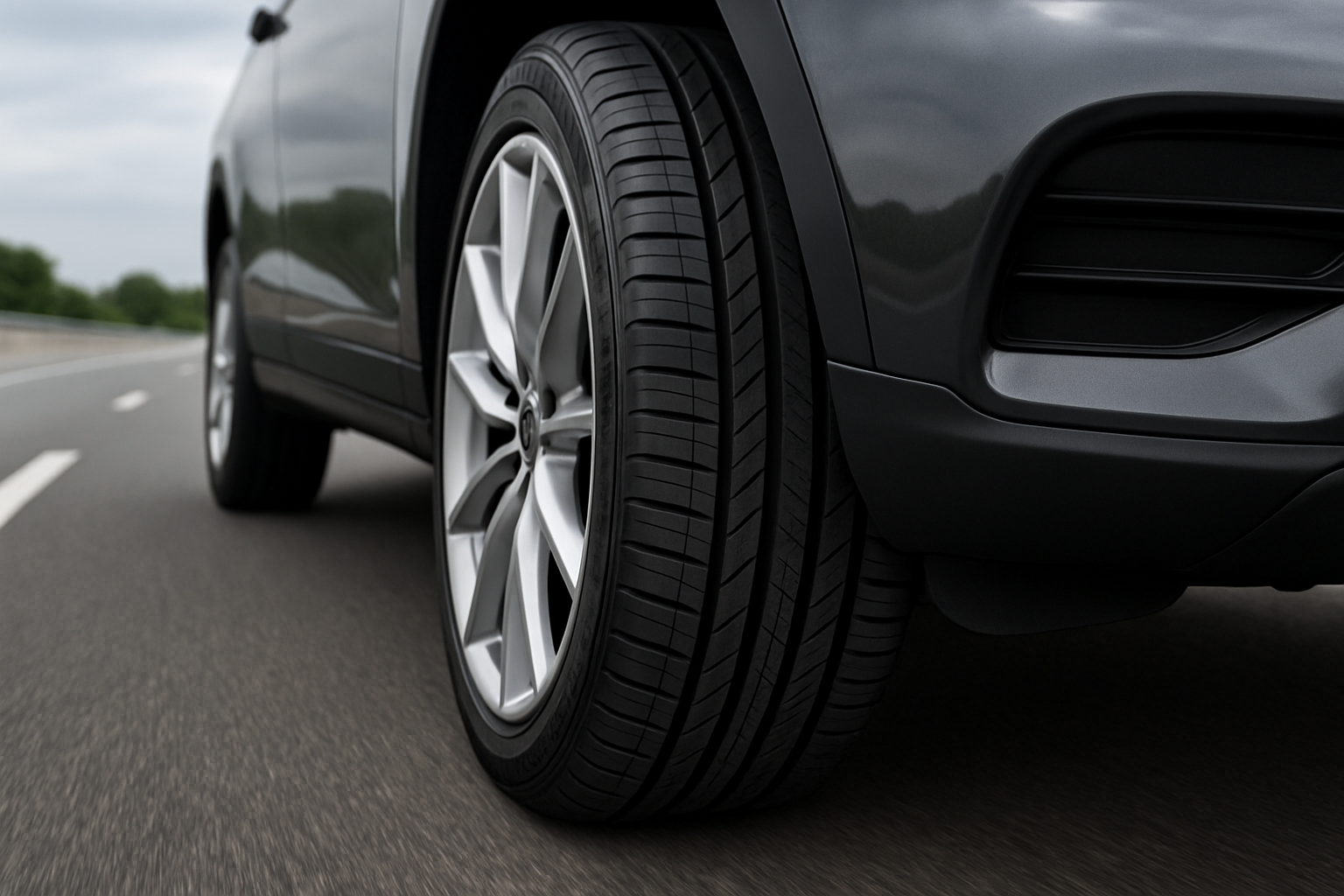
The Evolution of Modern Tires
The journey of tire technology has witnessed remarkable advancements over the decades. From the days of solid rubber wheels, modern tires have evolved to significantly enhance road grip and stability. These improvements are not mere enhancements; they are a result of comprehensive research, sophisticated engineering, and stringent testing processes aimed at ensuring safety and performance.
Why Is Road Grip Important?
Understanding the importance of road grip is crucial for comprehending why tire technology is advancing so rapidly. Road grip determines how well a vehicle can maintain contact with the road surface, which directly affects safety, handling, and braking efficiency. In adverse conditions like rain, snow, or ice, superior road grip can be the difference between a safe journey and an accident.
Enhanced road grip ensures that drivers can maneuver their vehicles effectively, even in challenging conditions. This capability reduces the risk of skidding or hydroplaning, providing drivers with the confidence to handle unforeseen road situations.
Technological Innovations in Tire Design
Modern tires incorporate a variety of technologies designed to improve grip and stability. Let's explore some of these groundbreaking innovations:
- Advanced Tread Patterns: One of the most visible changes in tire technology is the tread design. Tread patterns are engineered to optimize water evacuation, enhance traction, and adapt to different driving conditions. For example, symmetric treads offer a balanced performance, while directional and asymmetrical patterns are crafted for specific driving scenarios.
- Rubber Compounds: The rubber compounds used in tire manufacturing today have become highly specialized. Modern tires utilize silica-based compounds that improve traction on both wet and dry surfaces. Additionally, manufacturers experiment with natural and synthetic rubber blends to maximize durability and elasticity.
- Self-Healing Technology: An exciting innovation in tire technology is the introduction of self-healing tires. These tires contain a special lining that can seal small punctures automatically, significantly reducing the risk of blowouts.
Impact of Modern Materials
The materials used in tire manufacturing have also seen significant advancements. Carbon black, for instance, has traditionally been used to enhance tire strength. However, recent developments have led to the integration of nanomaterials and Kevlar fibers for added durability and lighter weight.
These materials not only enhance grip but also contribute to improved fuel efficiency. According to a 2026 report by the Tire and Rubber Association [source link], modern composite materials in tires have led to a 5% reduction in rolling resistance, translating to lower fuel consumption.
The Role of Smart Tires in Driving Assistance
The advent of smart tires marks another leap forward in tire technology. These tires are equipped with sensors that monitor real-time conditions, providing data on factors like tire pressure, temperature, and tread wear. This data is crucial for maintaining optimal tire performance and preventing accidents caused by unexpected tire failures.
Smart tires can communicate with vehicle systems to enhance stability control and adaptive cruise systems, offering a smoother and safer ride. For instance, a 2026 study published by the Smart Tire Safety Association [source link] highlighted that vehicles with integrated smart tire systems experienced a 20% decrease in loss-of-control accidents.
Environmental Considerations in Tire Design
As the world moves towards sustainable practices, tire manufacturers are also emphasizing eco-friendly designs. Recyclable tire materials and biodegradable components are being developed to reduce the environmental impact. Moreover, tire retreading and recycling initiatives help minimize waste and promote a circular economy in the automotive industry.
According to recent statistics [source link], eco-friendly tires have contributed to a 30% reduction in tire production emissions over the past five years, aligning with global sustainability goals.
Real-World Applications and Safety Benefits
Beyond their technological prowess, modern tires offer real-world safety benefits. Industries from commercial trucking to motorsports have adopted these advancements, attesting to their effectiveness. In particular, formula racing teams rely on the precision of high-performance tires to deliver exceptional grip on variable tracks.
For everyday drivers, modern tires can mean safer commutes and more reliable performance across the seasons. The integration of these advanced technologies enhances safety, confidence, and driving pleasure.
Conclusion
With ongoing research and technological advancements, modern tires are set to become even more sophisticated, offering better road grip and stability than ever before. These innovations not only ensure safer driving experiences but also contribute to sustainability efforts in the automotive industry. As we move forward, the synergy of technology, safety, and environmental consciousness will shape the future of tire design and performance.