How Often Is It Recommended to Get Botox for the Masseter?
Wondering how often you should consider Botox for the masseter area? While there's no onesizefitsall answer, understanding your personal goals and discussion with a specialist can guide you. Botox in the masseter is popular for not just aesthetic reasons but also for relief from jaw tension.
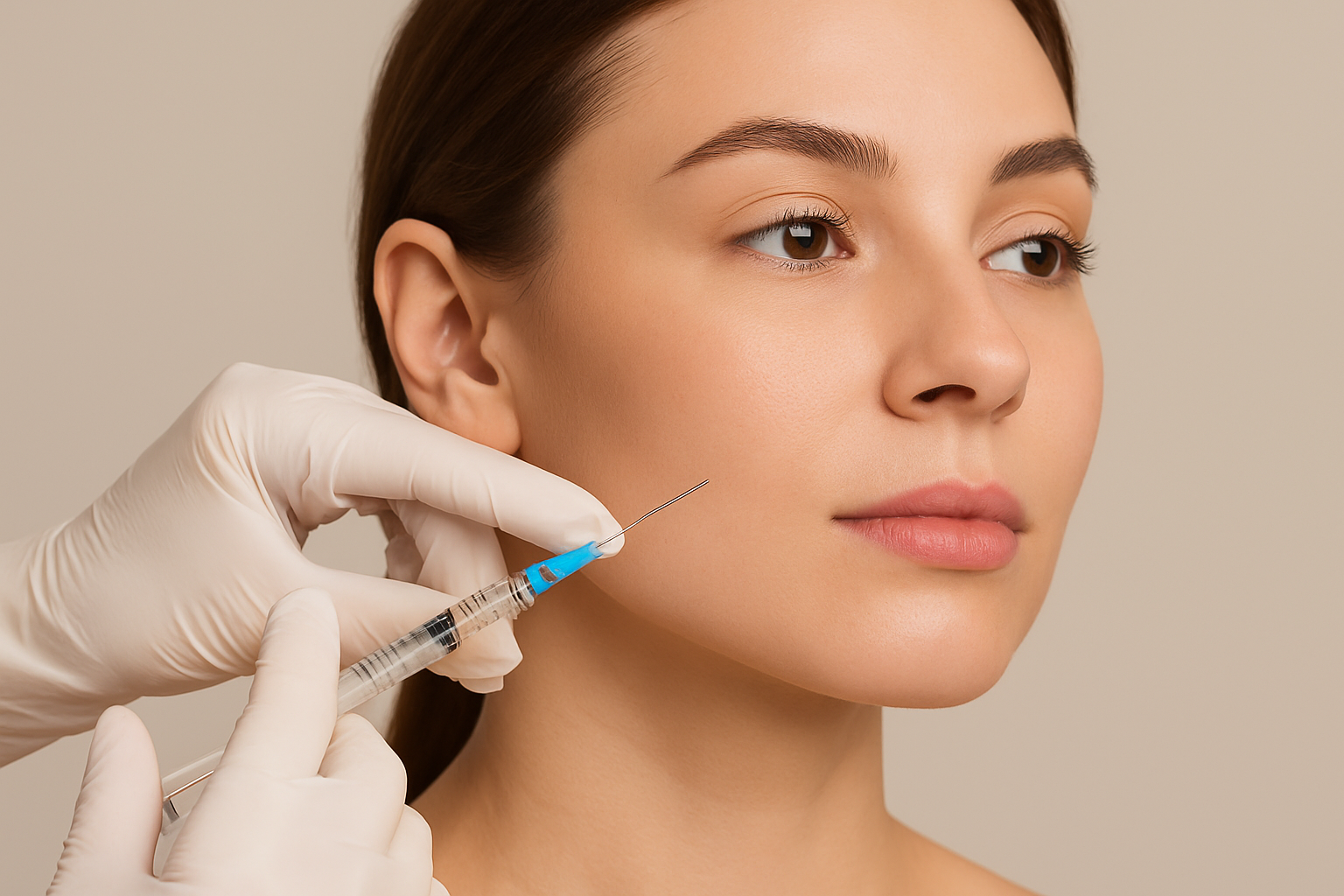
Understanding Botox for the Masseter Area
Botox, or botulinum toxin, has been widely used for cosmetic and medical purposes. One of its rising applications is in the masseter area, where it is primarily used to help alleviate issues related to jaw tension, clenching, and reshaping the lower facial structure for cosmetic benefits. As more people become interested in this treatment, key questions arise about its frequency, benefits, and what to expect.
What is the Masseter Muscle?
The masseter muscle is one of the muscles involved in chewing, located at the angle of the jaw. It can become hypertrophic (enlarged) due to genetics, excessive gum chewing, or habitual teeth clenching. This can lead to a square jawline appearance or discomfort due to tension.
Why Consider Botox for the Masseter?
There are several reasons individuals may seek Botox treatment for the masseter region:
- Facial Aesthetics: Reducing the size of the masseter muscle can result in a slimmer jawline, which many patients find desirable.
- Medical Benefits: Botox can alleviate symptoms of temporomandibular joint disorder (TMJ) and bruxism (teeth grinding), leading to reduced pain and discomfort.
- Non-Invasive Solution: Compared to surgical options, Botox offers a non-invasive method with minimal downtime.
Frequency of Botox Treatments for the Masseter
Determining how often you should receive Botox in the masseter area depends on several factors including your individual needs, the severity of your symptoms, and your aesthetic goals. Generally, it is recommended that treatments are administered every 3 to 6 months to maintain results.
Factors Influencing Treatment Frequency
- Muscle Activity: Individuals with high levels of grinding or clenching may require more frequent treatments initially to fully relax the muscle.
- Desired Aesthetic Outcome: Those seeking noticeable reduction in jaw size might start with more frequent sessions and decrease as desired effects are maintained.
- Treatment Goals: Balancing treatment goals between aesthetic and functional can determine frequency; consult with a specialist for personalized recommendations.
A recent study in 2026 by the American Board of Cosmetic Surgery highlights that the majority of patients start to see visible slimming of the jawline just two weeks after the procedure, with peak results around the fourth to sixth week post-treatment.
What to Expect During a Botox Session
Understanding the procedural steps can help alleviate any anxiety associated with receiving Botox for the masseter area.
The Process
During a typical session:
- A consultation is conducted to discuss health history and desired outcomes.
- The procedure involves small injections of Botox into the targeted areas of the masseter muscles.
- Treatment time usually takes about 15-30 minutes, with negligible downtime. Patients can resume normal activities almost immediately.
Real-world Examples and Success Stories
Consider Jane, a 35-year-old patient whose frequent jaw tension resulted in bruxism. After consulting with a licensed specialist, she embarked on a treatment plan involving Botox sessions every four months. According to Jane, not only did she experience relief from jaw discomfort, but she also appreciated the subtle contouring effect on her face.
Potential Risks and Side Effects
While Botox is generally safe, it’s important to be aware of potential side effects:
- Mild swelling or bruising at the injection site
- Temporary headache or slight discomfort
- In rare cases, slight asymmetry might occur if muscle relaxation is not uniform
These side effects are typically temporary, but it’s essential to choose a qualified healthcare provider to minimize risks. According to the American Society of Plastic Surgeons (ASPS), ensuring that the procedure is performed by a board-certified professional can significantly reduce these risks (source link).
Long-Term Considerations and Conclusion
When considering Botox for the masseter area, it’s important to maintain realistic expectations and communicate openly with your provider about long-term plans. As you become familiar with how your body responds to the treatment, adjustments in frequency and dosage can be made.
In 2026, a clinical survey reported that patient satisfaction remains high when treatments are tailored to individual profiles and conducted with professional oversight. Pursuing Botox for the masseter is a personal decision, but with informed choices, it offers a pathway to both aesthetic enhancements and medical relief.