How Precision Farming Drones Are Revolutionizing Agriculture by Reducing Costs
Explore how precision farming drone technology is revolutionizing agriculture. Learn how drones help farmers optimize inputs, reduce waste, and potentially cut overhead costs with greater efficiency and datadriven insights.
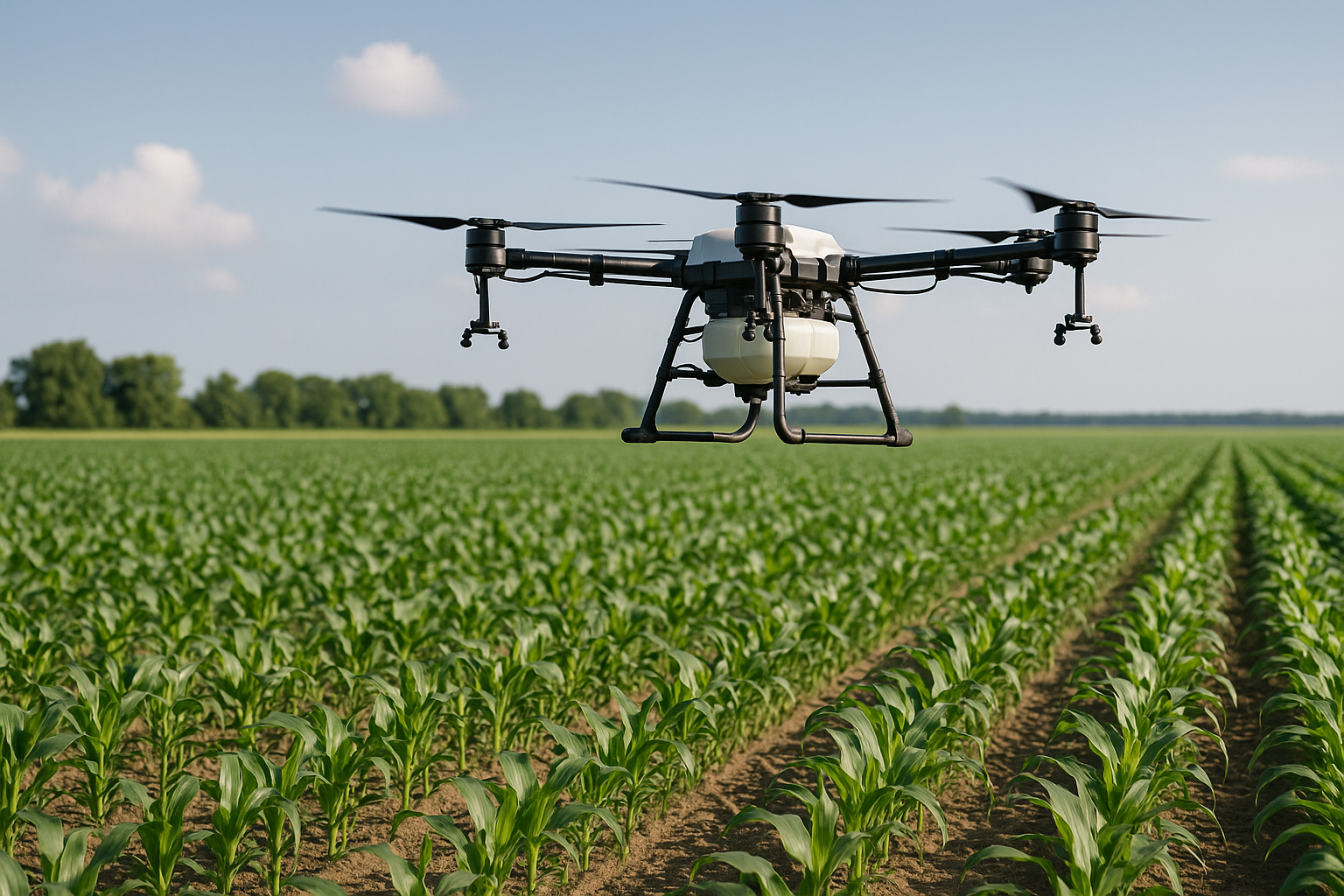
The Evolution of Precision Farming Drone Technology
The agricultural industry has witnessed a technological transformation over the past decade, with precision farming being a significant advancement. Precision farming employs modern technology to enhance crop yields and optimize resources efficiently. Among these technologies, drones have emerged as a game-changer, offering farmers a range of benefits from real-time data collection to cost-saving capabilities. As of 2026, the global agriculture drone market is projected to reach $5 billion, highlighting its growing importance in modern farming.
How Do Drones Work in Agriculture?
Drones, or Unmanned Aerial Vehicles (UAVs), are equipped with advanced sensors and cameras that can capture high-resolution imagery of vast farm areas. They use GPS technologies to navigate and create detailed maps of the fields, which help in assessing soil health, plant growth, and pest infestation. These images and data allow farmers to make informed decisions about planting, irrigation, and harvesting.
Benefits of Using Drones in Precision Farming
Drone technology provides several advantages to farmers, including:
- Efficient Resource Management: By analyzing the health and needs of crops, drones help in applying fertilizers and pesticides more accurately, reducing waste and saving costs.
- Time Savings: Drones can survey large areas in a fraction of the time it would take for a farmer to inspect on foot or even drive through the fields, allowing for quicker response times to various agricultural issues.
- Increased Yield: By monitoring crop conditions precisely, farmers can take timely actions that improve crop yield, ultimately affecting their bottom line positively.
- Risk Reduction: With precise data on weather forecasts, drones assist in planning farming activities before adverse weather hits, thus mitigating potential losses.
Real-World Examples of Farmers Using Drone Technology
Across the globe, farmers are adopting drone technology to revolutionize their agricultural practices. In the United States, large-scale farms in the Midwest are using drones for crop scouting to enhance their soy and corn production, thus significantly cutting down scouting time and costs. A study from the American Farm Bureau Federation in 2026 shows a 15% reduction in overhead costs among farmers using drones compared to those who do not.
Drones and Environmental Sustainability
Beyond cutting overhead costs, drones also promote environmental sustainability. By enabling precision application of water, fertilizers, and pesticides, drones help reduce the leeching of these substances into surrounding environments. This precise application protects the soil and water resources, aligning with global sustainability goals and reducing the ecological footprint of agriculture.
Financial Implications for Farmers
Investing in drone technology can lead to substantial financial benefits for farmers. The initial cost of purchasing and maintaining drones might seem high; however, the return on investment comes from reduced labor and input costs, as well as increased harvest quality and quantity.
Cost-Benefit Analysis
A detailed cost-benefit analysis conducted in 2026 by AgFunder reveals that farmers utilizing drones experience an average reduction of 20% in operational costs relating to irrigation, spraying, and labor. This analysis also indicated that the break-even point for drone investment is typically reached within two growing seasons.
Choosing the Right Drone Technology
Selecting the suitable drone model is crucial, as different types cater to varied agricultural needs. Key factors to consider include the size of the farm, types of crops grown, and specific farming challenges faced. Whether it is a rotary drone for close-up inspections or fixed-wing drones for surveying larger areas, identifying the right technology that aligns with farm goals is essential.
The Future of Drones in Agriculture
The role of drones in agriculture is expected to expand exponentially in the coming years. As drone technology advances, integrating AI and machine learning, the ability of drones to provide predictive insights and automate tasks will further enhance precision farming. Collaboration among technology companies and farmers will likely lead to new innovations that will continue to reduce costs and improve efficiency.
Conclusion
Drones, as part of precision farming, are reshaping the agricultural landscape by not only helping farmers cut overhead costs but also improving farm sustainability and productivity. As more farmers recognize the benefits and adopt this technology, its impact is anticipated to grow, ensuring that farming remains a viable and prosperous endeavor in the 21st century.