How Safety Devices Empower Seniors to Maintain Independence
If you’re wondering whether safety devices can truly help a senior maintain their independence, the short answer is a resounding yes. But knowing which device to choose—from medical alert systems to automatic fall detectors and smart home sensors—can feel overwhelming.
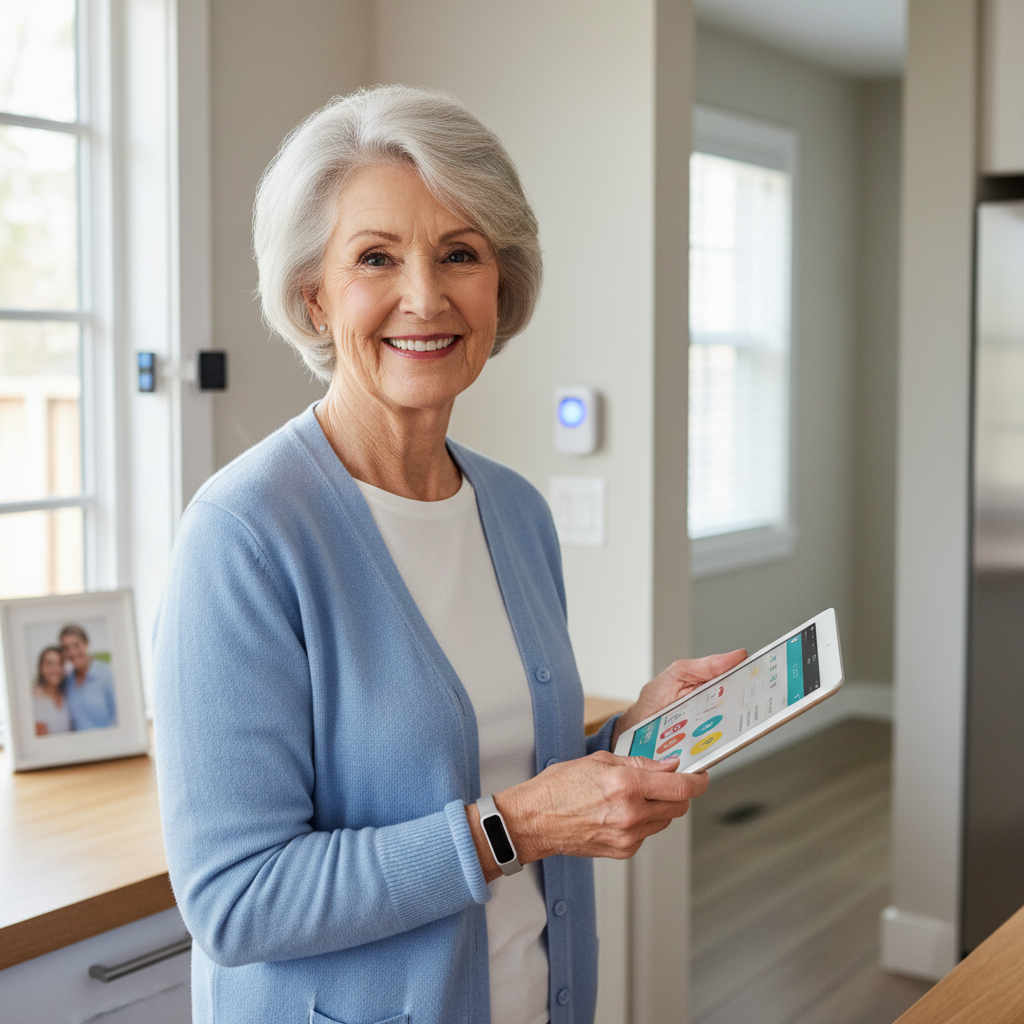
Key Safety Devices That Promote Senior Independence
The desire for seniors to live independently in their own homes, a concept often referred to as "aging in place," is a common and deeply held wish. However, this desire is often balanced against genuine concerns about safety and well-being. Modern technology has stepped in to bridge this gap, offering a wide array of safety devices designed to empower older adults while providing peace of mind to their loved ones. These tools are not just gadgets; they are enablers of autonomy, helping to manage risks associated with aging, from falls to medication management.
By addressing specific vulnerabilities, these devices create a safer living environment, allowing seniors to maintain their familiar routines and connections to their community. They act as a silent support system, ready to assist when needed without being intrusive. Let's explore the primary types of safety devices that are making a significant impact on senior independence today.
Medical Alert Systems (PERS)
Perhaps the most well-known senior safety device is the Personal Emergency Response System (PERS), often recognized by its wearable push-button pendant or wristband. The concept is simple yet profoundly effective: in the event of an emergency, such as a fall, a sudden illness, or any situation where help is needed, the senior can press the button. This action instantly connects them to a 24/7 monitoring center where a trained operator can assess the situation, speak with the senior through a base unit, and dispatch emergency services or contact family members as needed.
The primary benefit of a PERS is the immediate access to help. This rapid response can be critical in medical emergencies where every second counts. Beyond the practical function, these systems provide an immense psychological boost. Knowing that help is just a button-press away reduces anxiety about living alone, encouraging seniors to be more active and confident in their daily lives without the constant fear of being unable to summon aid if something goes wrong.
Automatic Fall Detection Devices
Taking the concept of a medical alert system a step further, automatic fall detection devices offer an enhanced layer of protection. These devices, also typically worn as a pendant or wristband, contain advanced sensors like accelerometers and gyroscopes that can recognize the unique motion patterns associated with a fall. If a hard fall is detected, the device automatically sends an alert to the monitoring center, even if the wearer is unconscious, disoriented, or otherwise unable to press the button themselves.
This feature is a game-changer for seniors at high risk of falling. A significant danger for an older adult who falls is not just the initial injury but the potential for lying helpless for an extended period. This can lead to complications like dehydration, hypothermia, or pressure sores. By automatically calling for help, fall detection technology drastically shortens the time between the incident and the arrival of assistance, directly contributing to better health outcomes and preserving independence.
Smart Home Technology
The rise of the smart home has brought a host of benefits for senior safety and convenience. Voice-activated assistants like Amazon Alexa and Google Assistant can be used to control lights, thermostats, and door locks, reducing the need for seniors to navigate their homes in the dark or struggle with physical tasks. A simple voice command can turn on the lights before getting out of bed, preventing a common trip hazard. Video doorbells allow seniors to see and speak with visitors without having to open the door, enhancing security and preventing scams.
Furthermore, smart smoke and carbon monoxide detectors can send alerts not only to the home's occupants but also to family members' smartphones, ensuring that someone is notified even if the senior doesn't hear the alarm. Smart sensors can be placed on doors or cabinets to monitor activity, letting a caregiver know if a parent with dementia has wandered outside or has not opened the refrigerator all day, providing subtle yet vital check-ins.
Medication Management Systems
Managing multiple medications is a common challenge for many older adults. Forgetting a dose or accidentally double-dosing can have serious health consequences. Automated medication dispensers are designed to solve this problem. These devices can be pre-loaded with a week's or month's worth of pills, sorted by dose and time. At the designated time, the device will sound an alarm, flash a light, and dispense only the correct pills.
More advanced systems are connected and can send a text or email notification to a family member if a dose is missed. This technology removes the guesswork and anxiety from medication routines, ensuring adherence to prescribed treatments. By promoting proper medication management, these systems help maintain the senior's health, prevent hospitalizations, and support their ability to live safely at home.
GPS Tracking Devices
For seniors with cognitive conditions such as Alzheimer's or dementia, wandering is a significant safety concern. GPS tracking devices, available as watches, pendants, or even shoe insoles, provide real-time location information to caregivers via a smartphone app. Families can set up "safe zones" or geofences around the home or neighborhood and receive an instant alert if their loved one crosses these boundaries.
These devices allow seniors to maintain a degree of freedom, such as going for a walk in the garden or around the block, while giving their families the peace of mind that they can be located quickly if they become lost or disoriented. It's a technology that balances autonomy with essential oversight, crucial for supporting those with memory impairment.
The Psychological Impact of Safety on Senior Independence
While the technical features of these devices are impressive, their most profound benefit may be psychological. The fear of falling or experiencing a medical emergency while alone can be paralyzing for seniors. It can lead to a self-imposed reduction in activity, social isolation, and a general decline in quality of life. The presence of a safety device acts as a constant reassurance, a safety net that empowers them to live more freely and confidently.
This newfound confidence extends to family members and caregivers as well. The constant worry about a loved one's safety can be a heavy emotional burden. Knowing that a reliable system is in place to alert them to a problem provides immense relief. This reduction in caregiver stress can improve family dynamics and make the decision to support aging in place a more sustainable and positive one for everyone involved. Ultimately, these devices help transform a home from a place of potential hazards into a secure haven, fostering the emotional well-being required for true independence.
Common Questions About Senior Safety Devices
As families explore these options, several practical questions often arise. Understanding the nuances of choosing, paying for, and implementing these technologies is key to making an informed decision that best suits the senior's individual needs and preferences.
How Do You Choose the Right Safety Device for a Senior?
Choosing the right device is not a one-size-fits-all process. The first step is to conduct a thorough needs assessment. Consider the senior's specific health conditions. Is there a high risk of falling? Are they managing a complex medication schedule? Is memory loss or wandering a concern? The primary risk factor should guide the choice of technology. For instance, a senior with mobility issues would benefit greatly from fall detection, while one with early-stage dementia might need a GPS tracker.
The senior's comfort level with technology is another crucial factor. A simple, one-button PERS is ideal for someone who is not tech-savvy. Conversely, a senior who enjoys gadgets might embrace a full suite of smart home devices. It’s also essential to involve the senior in the decision-making process. If they feel the device is intrusive or difficult to use, they are less likely to use it consistently, defeating its purpose. The conversation should focus on how the device empowers them rather than how it limits them.
What Are the Costs Associated with Senior Safety Devices?
The cost of senior safety technology can vary widely. Devices typically fall into two pricing models: a one-time hardware purchase or a subscription-based service. For example, smart home devices like video doorbells or automated pill dispensers usually involve an upfront cost for the equipment. Some may have optional subscriptions for cloud storage or advanced features, but the basic functionality is often free.
In contrast, medical alert systems with 24/7 monitoring almost always require a monthly subscription fee, which covers the cost of the monitoring service. These fees can range from about $20 to $60 per month, depending on the features included, such as fall detection or GPS tracking. While original Medicare does not typically cover these costs, some Medicare Advantage (Part C) plans or long-term care insurance policies may offer full or partial reimbursement, so it is always worth checking with the insurance provider.
Are There Privacy Concerns with Senior Monitoring Devices?
Privacy is a legitimate and important consideration. Devices like in-home cameras, GPS trackers, and activity sensors collect personal data, which raises valid concerns about dignity and autonomy. The key to navigating this is open and honest communication. The goal of monitoring should be safety, not surveillance. It’s crucial to have a conversation with the senior about what technology will be used, how it works, and what information it will share.
Families should agree on boundaries. For example, cameras might be acceptable in common areas like the living room or kitchen to check for a fall, but they should never be placed in private spaces like a bedroom or bathroom. The focus should be on using the least intrusive technology necessary to address the specific safety risk. By framing the discussion around collaboration and respect, families can implement safety solutions that protect their loved ones without compromising their sense of privacy and independence.
Conclusion
So, do safety devices help seniors live independently? The answer is a resounding yes. From simple push-button alarms to sophisticated smart home ecosystems, this technology provides a powerful toolkit for managing the risks associated with aging. These devices are not meant to replace the value of human connection and care, but rather to supplement it. They act as a reliable, ever-present safety net that reduces fear, builds confidence, and provides invaluable peace of mind for both seniors and their families. By creating a safer environment, these tools empower older adults to remain in the comfort of their own homes, preserving their dignity, autonomy, and quality of life for as long as possible.