How Secured Loans Can Simplify Your Debt Consolidation Journey
Looking to streamline your finances? Discover how secured loans for debt consolidation can help manage multiple debts. By leveraging assets like your home or car, secured loans offer potential benefits, but require careful consideration of terms and conditions.
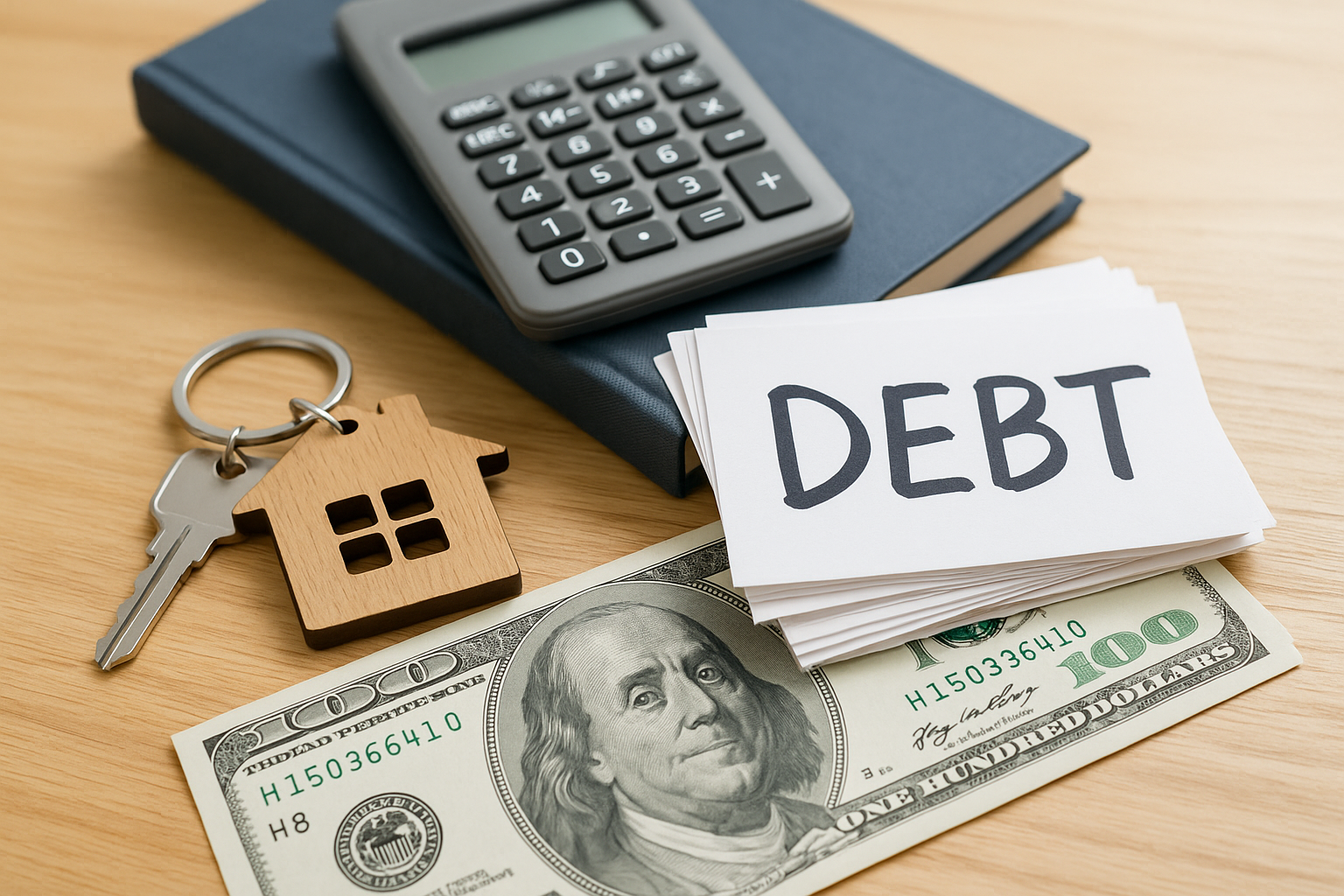
Understanding Secured Loans for Debt Consolidation
When considering ways to manage overwhelming debt, secured loans for debt consolidation can be a viable option. These loans are specifically designed to help you streamline multiple debt obligations into a single, more manageable payment. By using an asset as collateral—such as a home or a car—you might secure a loan with more favorable terms compared to unsecured options. However, it’s crucial to understand both the benefits and the risks associated with secured loans for debt consolidation to make an informed decision.
What is a Secured Loan?
A secured loan is a type of loan that requires the borrower to pledge an asset as collateral for the loan. This could be a house, car, or other valuable property. The secured aspect refers to the lender's interest in the asset, which serves as security in case the borrower defaults on the loan. Secured loans often come with lower interest rates because they are less risky for lenders compared to unsecured loans.
How Does Debt Consolidation Work?
Debt consolidation is the process of combining multiple credit accounts—like credit cards, personal loans, or other types of debt—into a single monthly payment, ideally with a lower interest rate. This approach simplifies your finances and could potentially reduce the total interest paid over time. When consolidating debt with a secured loan, your high-interest debts are replaced with a lower-interest loan backed by collateral.
Benefits of Using Secured Loans for Debt Consolidation
- Lower Interest Rates: Secured loans generally offer lower interest rates compared to unsecured loans, thanks to the collateral.
- Simplified Payments: Consolidation makes managing finances more straightforward by turning multiple payments into one.
- Potential Tax Benefits: Depending on your location and the type of loan, interest payments on secured loans might be tax-deductible.
- Improved Credit Score: By making consistent, on-time payments, borrowers might see an improvement in their credit scores over time.
Risks Associated with Secured Loans
- Risk of Asset Loss: If you default on a secured loan, you risk losing the asset you used as collateral, such as your home or car.
- Extended Loan Terms: While lower monthly payments are appealing, longer terms can mean paying more in interest over time.
- Potential for Greater Debt: Consolidating debt doesn’t eliminate the overall debt; it only restructures it. Poor spending habits can lead to accumulating more debt.
Is a Secured Loan the Right Choice for You?
Before choosing a secured loan for debt consolidation, evaluate your financial situation, assess your ability to make consistent payments, and consider the value of the asset you are using as collateral. Using an online loan calculator can help you understand potential costs and savings.
Recent Trends and Data on Debt Consolidation Loans in 2026
According to a 2026 report from the National Debt Institute, the average American household carries over $10,000 in credit card debt. Additionally, secured loan rates have remained relatively stable this year, fluctuating between 3% and 5% on average, owing to economic measures aimed at fostering a stable lending environment [National Debt Institute Report 2026]. This has made secured loans an attractive option for those looking to consolidate high-interest debt.
Furthermore, a study by the Credit Consumer Bureau indicates that approximately 60% of debt consolidation applicants in 2026 prefer secured loans due to their favorable terms [Credit Consumer Bureau Report 2026]. This preference is attributed to the increased financial literacy and awareness spread by financial institutions and educational platforms.
Steps to Secure a Loan for Debt Consolidation
To pursue a secured loan for debt consolidation, follow these steps:
- Assess Your Financial Situation: Calculate your total debt and monthly payments to determine if consolidation is beneficial.
- Research Lenders: Compare offers from different lenders to find the best interest rates and terms.
- Prepare Your Asset: Ensure that the asset you are planning to use as collateral meets the lender’s requirements.
- Submit Application: Apply for the loan, providing necessary documentation and proof of collateral.
- Consolidate Debt: Use the loan to pay off existing debts, and focus on making regular payments on the new loan.
Conclusion
Secured loans for debt consolidation can be a powerful tool for managing debt when used wisely. Balancing the benefits and risks is crucial, with a focus on maintaining disciplined financial habits. Always consult with a financial advisor to discuss your specific circumstances before proceeding with any loan. Navigating debt can be challenging, but with the right strategy, it is possible to regain control of your finances.