How to Choose the Best Value Home Internet Plan Without the Hype
Discover the key factors to consider when choosing a home internet plan that offers true value. With so many options available, finding the best value can depend on your unique needs and usage habits.
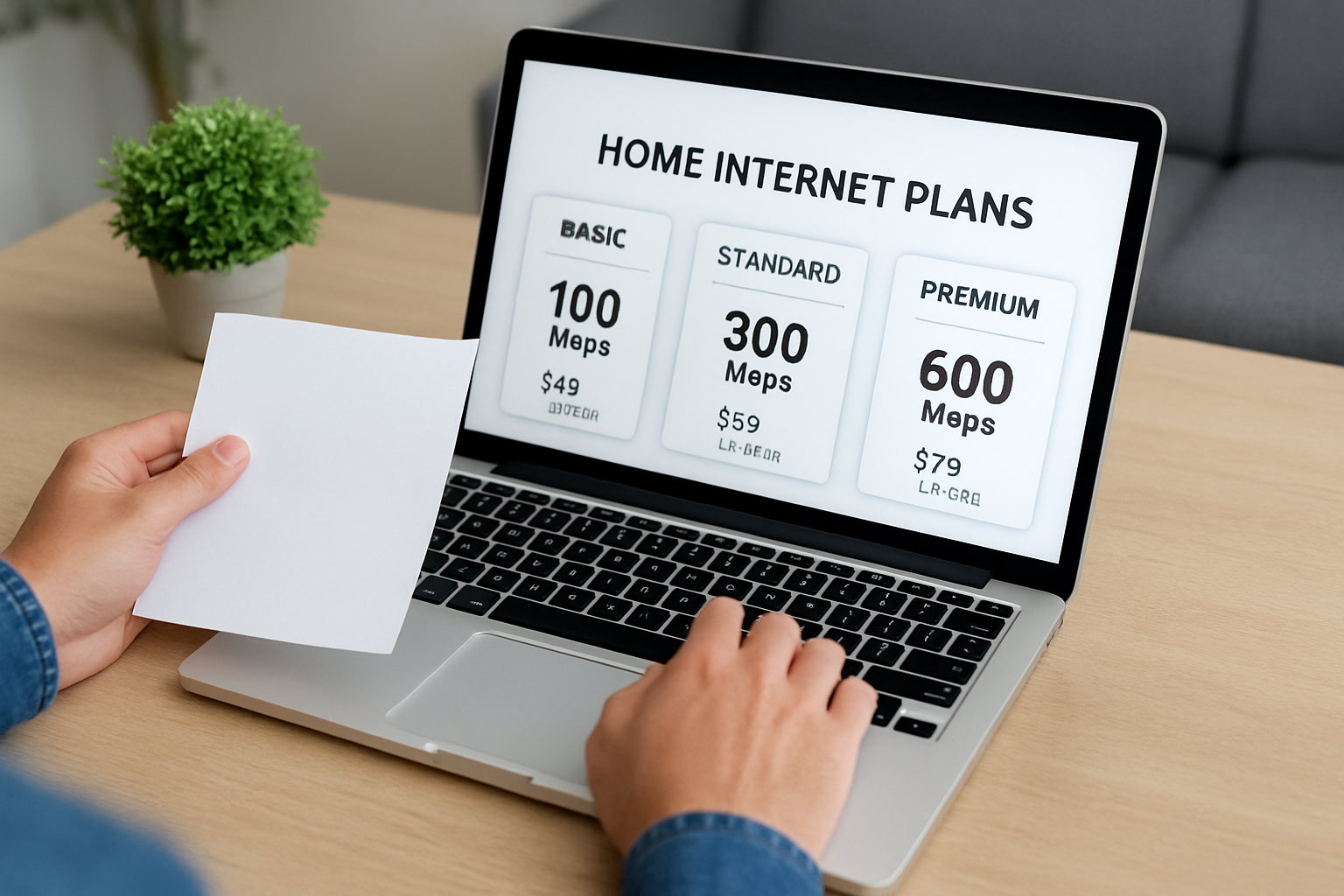
Understanding Home Internet Plans
In today's digitally connected world, having a reliable home internet connection is essential. Many times, internet plans can be confusing with their technical jargon and complex pricing structures. If you're wondering, "Which Home Internet Plan Gives The Best Value?" you're not alone. As we delve into this topic, we'll explore different internet plan types, decipher what makes them valuable, and identify which might be the best fit for various user profiles.
Types of Home Internet Connections
Before exploring the best value for home internet plans, it's crucial to understand the different types of internet connections available. Each type offers unique pros and cons depending on your location, needs, and budget.
- DSL (Digital Subscriber Line): Uses existing telephone lines to deliver internet service. Generally provides slower speeds, ideal for users with minimal internet use.
- Cable: Leverages television cable networks to provide faster speeds than DSL. Suitable for moderate to heavy internet usage, including streaming and gaming.
- Fiber-Optic: Utilizes light to transmit data, offering the fastest internet speeds. It’s ideal for heavy internet users who stream 4K videos or have multiple connected devices.
- Satellite: Ideal for remote areas lacking DSL or cable. However, it generally offers slower speeds and higher latency, impacting real-time internet activities like gaming.
- Fixed Wireless: Provides internet similar to satellite but generally with lower latency and faster speeds. Best for rural and suburban areas.
Assessing Internet Speed Requirements
Your internet usage habits significantly influence which internet plan offers the best value. To determine this, consider the speed requirements for different activities:
- Basic Browsing: Requires 1-5 Mbps. Suitable for email, social media, and simple web browsing.
- HD Streaming: Needs 5-10 Mbps. This provides seamless viewing without buffering for services like Netflix or YouTube.
- 4K Streaming: Requires at least 25 Mbps. Necessary for enjoying ultra-high-definition content without interruptions.
- Online Gaming: Demands 3-25 Mbps with low latency. Important for responsive, real-time gaming experiences.
- Remote Work: Uses 10-25 Mbps, especially if video conferencing and large file uploads/downloads are frequent.
Understanding your specific needs will help narrow down the options for the best internet plan at the best value.
Evaluating Internet Plan Value
Once you've identified the necessary speed for your household, the next step is evaluating the value offered by various providers. Consider the following factors:
Price versus Performance
Compare the price of the internet plan against the speed and data limit offered. A competitive plan offers adequate speed and data limit for your needs without unnecessary extras.
As of 2026, the average cost for internet service in the US is approximately $65 per month for speeds around 100 Mbps, with prices varying significantly by region and provider. (Source: BroadbandSearch.net)
Data Caps
Data caps can significantly impact the value of a plan, especially for households with heavy internet use. Many fiber-optic plans offer unlimited data, providing greater flexibility.
Promotional Deals and Contracts
Look out for introductory offers, but beware of long-term contracts that may increase costs after the promotional period ends. Some newer providers now offer no-contract options, ensuring flexibility.
Customer Service and Reliability
Reliability is of utmost importance. Check customer reviews and satisfaction ratings. In 2026, consumer surveys indicate that fiber-optic internet services generally receive higher satisfaction ratings, thanks to reliability and speed. (Source: Consumer Reports)
Best Value Plans for Different Users
Based on the information above, it's easier to pinpoint some of the best value plans for specific types of users:
- Light Users: A basic DSL plan could suffice, trading speed for affordability.
- Families: Consider a 100-200 Mbps cable plan to accommodate multiple users and devices simultaneously.
- Streamers and Gamers: A fiber-optic plan providing speeds over 300 Mbps ensures a smooth experience.
- Rural Dwellers: Fixed wireless or satellite internet may be the best available options, with fixed wireless typically offering better performance.
Final Thoughts
Determining "Which Home Internet Plan Gives The Best Value" depends on balancing speed, price, and individual needs. Always research and compare locally available options, keep up-to-date with the latest technology and promotional offers, and consider future-proofing your choice to handle increasing data requirements. As we continue to advance technology in 2026, staying informed ensures you can leverage those advancements efficiently, with maximum value.
References