How to Choose the Perfect Car for 2026: A Comprehensive Guide
Planning your car purchase for 2026 puts you ahead of the curve. With so many exciting changes on the horizon, choosing the right one can feel overwhelming.
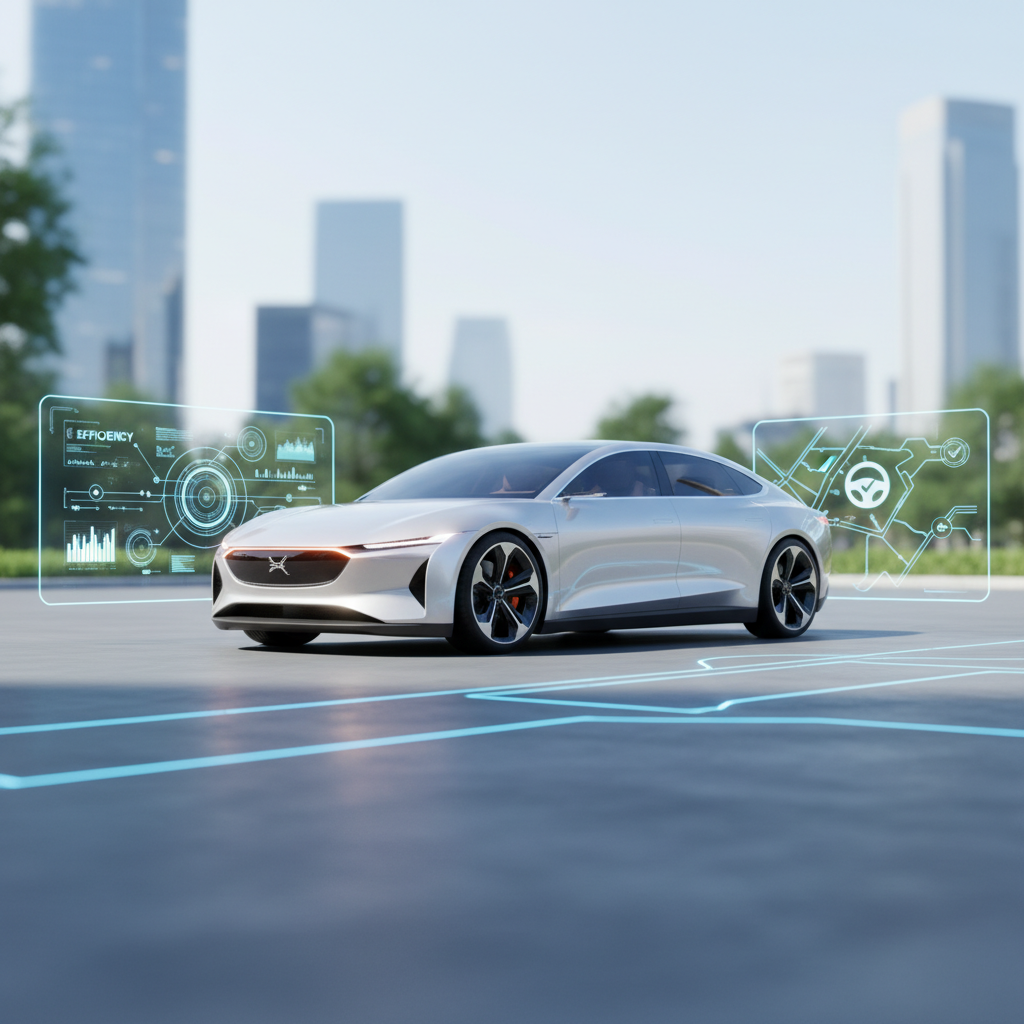
Which Is The Best Car To Buy In 2026?
Predicting the future of the automotive industry can be challenging, but by analyzing current trends, concept vehicles, and manufacturer roadmaps, we can get a strong sense of the top contenders that will be vying for your attention in 2026. The market is rapidly shifting towards electrification, advanced driver-assistance features, and integrated digital experiences. This guide explores some of the most anticipated and promising vehicles expected to be the best buys of 2026, covering a range of categories from family SUVs to revolutionary electric trucks.
Here’s a look at the vehicles poised to define the automotive landscape and become the best choices for buyers in 2026.
Top Car Contenders for 2026
1. The Next-Generation Toyota Camry
The Toyota Camry has been a cornerstone of the midsize sedan market for decades, renowned for its unwavering reliability, comfort, and efficiency. The generation expected to be prominent in 2026 is poised to build on this legacy while embracing significant technological advancements. It is widely anticipated that the 2026 Camry will be offered exclusively as a hybrid, aligning with Toyota's commitment to electrification. This move would not only boost its already impressive fuel economy but also provide smoother, more responsive acceleration thanks to the synergy of its gasoline engine and electric motor.
Beyond the powertrain, expect a complete interior and exterior redesign. The cabin will likely feature a larger, more intuitive infotainment screen with Toyota's latest software, offering seamless smartphone integration and over-the-air update capabilities. The design is expected to be sleeker and more modern, shedding some of its traditionally conservative styling for a more dynamic and athletic appearance. Coupled with the next generation of Toyota Safety Sense, featuring more advanced lane-keeping, adaptive cruise control, and proactive driving assists, the 2026 Camry is set to remain a dominant and intelligent choice for sedan buyers.
2. The Affordable Tesla (Model 2 or Compact EV)
Perhaps one of the most eagerly awaited vehicles of the decade is Tesla's anticipated affordable compact car, often unofficially dubbed the "Model 2." While details remain under wraps, this vehicle is expected to be a game-changer by bringing Tesla's technology and brand prestige to a much wider audience with a target price point under $30,000. To achieve this, Tesla will likely employ revolutionary manufacturing techniques, such as giga-casting and a simplified battery architecture, to drastically reduce production costs and time.
This compact EV won't just be about affordability; it will still be a Tesla at its core. Buyers can expect the signature minimalist interior, a large central touchscreen controlling most vehicle functions, and access to the industry-leading Supercharger network. While range and performance figures will be more modest than its pricier siblings, the Model S and Model 3, it should still offer more than enough for daily commuting and regional travel. Its smaller footprint will make it ideal for urban environments, and if Tesla delivers on its promises, this car could accelerate the mass adoption of electric vehicles globally, making it a top contender for the best value in 2026.
3. The Ram 1500 REV (Range-Extended Electric)
The electric truck segment is heating up, and Ram is entering the fray with a compelling and innovative approach. The Ram 1500 REV (Revolution Electric Vehicle) is designed to address the biggest concern for many potential EV truck buyers: range anxiety, especially when towing. While a fully electric version will be available, the standout model for 2026 will likely be the range-extended hybrid. This version will feature a large battery pack for purely electric daily driving, supplemented by a gasoline engine that acts as a generator to recharge the battery on longer trips or during heavy-duty use.
This "best of both worlds" approach means owners can enjoy silent, emission-free commuting and the instant torque of an EV without ever having to worry about finding a charger on a cross-country trip. Beyond its unique powertrain, the Ram 1500 REV is expected to carry over the brand's reputation for premium interiors, a comfortable ride, and clever utility features like the RamBox cargo management system. With its futuristic styling, massive front trunk (frunk), and cutting-edge technology, the Ram 1500 REV is positioned to be a highly practical and desirable truck for the modern era.
4. The Kia EV9
For families looking to go electric without compromising on space, the Kia EV9 is quickly establishing itself as a dominant force. As a true three-row electric SUV, it fills a crucial gap in the market. By 2026, the EV9 will have solidified its position with a full lineup of trims and potentially even more refined software and features. Its bold, futuristic design is matched by a spacious and versatile interior that feels more like a lounge on wheels, with available second-row captain's chairs that can swivel to face the third row.
Built on Hyundai Motor Group's advanced E-GMP platform, the EV9 benefits from an 800-volt architecture that enables incredibly fast charging speeds—going from 10% to 80% in under 25 minutes at a compatible DC fast charger. It offers multiple powertrain options, including a long-range rear-wheel-drive model and a powerful all-wheel-drive variant. Packed with technology, including a panoramic widescreen display and Kia's latest driver-assistance systems, the EV9 offers a compelling combination of practicality, style, and next-generation EV tech that will make it a top choice for families in 2026.
5. The Next-Generation Honda CR-V Hybrid
The Honda CR-V has long been a benchmark in the compact SUV segment, and its latest generation continues that tradition with a strong focus on hybrid technology. By 2026, the CR-V's hybrid powertrain is expected to become even more efficient and refined, making it the default choice for the majority of buyers. Honda's two-motor hybrid system is known for its smooth power delivery and seamless transition between electric and gasoline power, providing a quiet and pleasant driving experience, particularly in city traffic.
The appeal of the 2026 CR-V will extend far beyond its powertrain. Its interior is a masterclass in practicality and thoughtful design, offering class-leading passenger and cargo space, high-quality materials, and user-friendly physical controls for essential functions. The Honda Sensing suite of safety and driver-assistive technologies will be standard, providing confidence on the road. For buyers who want a no-compromise, do-it-all vehicle that is practical, incredibly efficient, and built to last, the Honda CR-V Hybrid will undoubtedly be one of the smartest and best purchases of the year.
Key Automotive Trends Defining 2026
The vehicles of 2026 are not being designed in a vacuum. They are the product of several powerful trends reshaping the entire automotive industry. The most significant of these is the relentless march toward electrification. By 2026, nearly every major manufacturer will offer a compelling range of EVs and hybrids, with battery technology continuously improving to offer longer ranges and faster charging times. This shift is accompanied by a software-first approach to vehicle design. Cars are becoming more like smartphones on wheels, with their features and performance capable of being upgraded over the air (OTA). This means a car purchased in 2026 could gain new capabilities and improvements years into its ownership.
Another defining trend is the advancement of Advanced Driver-Assistance Systems (ADAS). While true self-driving cars may still be a few years away for the mass market, the systems available in 2026 will be remarkably sophisticated. Expect more "hands-free, eyes-on" highway driving systems, more intelligent parking assists, and proactive safety features that can anticipate and react to potential hazards with greater speed and accuracy than ever before. Finally, sustainability is becoming a key factor, extending beyond the powertrain to include the use of recycled and eco-friendly materials throughout the vehicle's interior.
Answering Your Top Questions
Should I Buy an EV, Hybrid, or Gas Car in 2026?
The best choice for you in 2026 will depend heavily on your lifestyle, budget, and access to charging infrastructure. Electric vehicles (EVs) will be an excellent option for those with predictable daily commutes and the ability to charge at home or work. By 2026, the public charging network will be significantly more robust, and battery ranges will be longer, making EVs viable for more people than ever. They offer the lowest running costs, instant acceleration, and a quiet ride.
Plug-in Hybrids (PHEVs) and traditional hybrids will represent a fantastic middle ground. A PHEV provides a significant all-electric range (typically 30-50 miles) for daily errands, with a gasoline engine ready for long trips, eliminating range anxiety. Traditional hybrids, like the Camry or CR-V, seamlessly blend gas and electric power to deliver outstanding fuel efficiency without ever needing to be plugged in. Purely internal combustion engine (ICE) or gas-powered cars will still be available, often at a lower initial purchase price, and may remain the preferred choice for those who frequently drive long distances in areas with limited charging infrastructure.
How Will AI and Connectivity Change the Driving Experience?
By 2026, Artificial Intelligence (AI) and advanced connectivity will be deeply integrated into the new car experience, making it more personalized, convenient, and safe. In-car voice assistants will be far more capable than they are today, understanding natural language to control everything from navigation and climate to making restaurant reservations or controlling smart home devices. These systems will learn your habits, pre-conditioning the car's temperature before your morning commute or suggesting your favorite podcast for the drive home.
AI will also be the brain behind the more advanced driver-assistance features, processing data from cameras and sensors to create a more comprehensive and responsive safety net around the vehicle. Connectivity, powered by 5G technology, will enable vehicles to communicate with each other (V2V) and with infrastructure (V2I), potentially warning you of a hazard around a blind corner or timing your speed to hit a string of green lights. This transforms the car from a simple mode of transport into a connected, intelligent partner in your daily life.
Conclusion
As we look toward 2026, the automotive landscape is more exciting and diverse than ever. The best car to buy will no longer be a one-size-fits-all answer. Buyers will have incredible choices across every segment, from groundbreaking electric vehicles like the affordable Tesla and the family-friendly Kia EV9 to highly refined and efficient hybrids like the Toyota Camry and Honda CR-V. Innovative solutions like the range-extended Ram 1500 REV will bridge the gap for those not yet ready to go fully electric. The defining characteristics of the best cars of 2026 will be their seamless integration of technology, their commitment to efficiency and sustainability, and their ability to make daily driving safer, easier, and more enjoyable.
For more detailed car reviews and pricing information, you can visit reputable automotive resources like Edmunds and Kelley Blue Book.