How to Detect a Sophisticated Phishing Email Scam: Essential Tips to Stay Safe
Phishing email scams are becoming increasingly sophisticated, making them harder to identify before clicking a link. To spot a sophisticated phishing email scam, look for subtle clues such as slight discrepancies in email addresses, unusual language, and unexpected attachments.
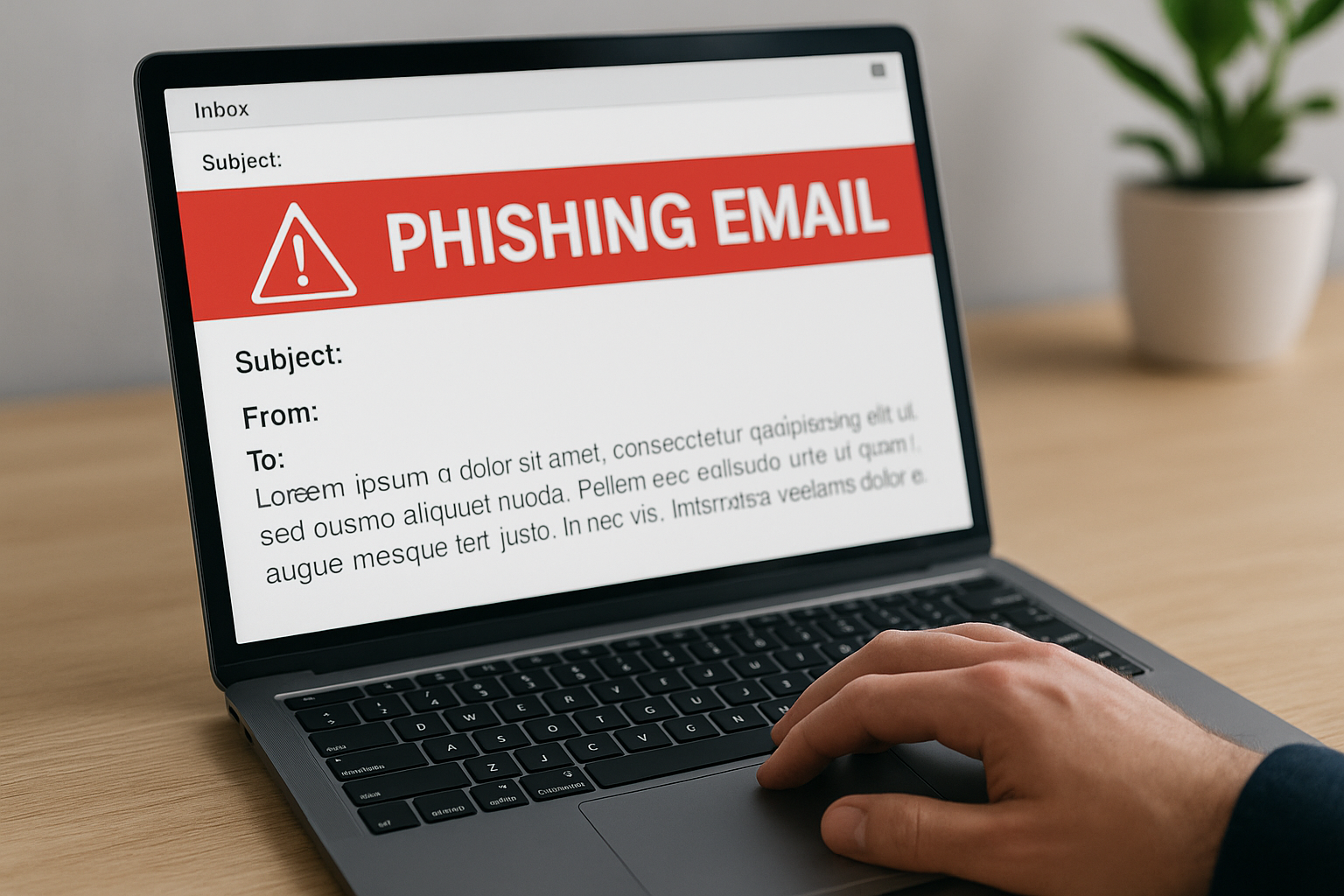
Understanding Phishing Email Scams
Phishing email scams have become increasingly sophisticated over the years, making them harder to spot and easier for even the most cautious internet users to fall victim to. These scams often involve emails that mimic legitimate companies, organizations, or contacts to trick recipients into providing sensitive information such as login credentials, credit card numbers, or other personal data. By understanding how these scams work and what to look for, you can protect yourself and your information.
What is Phishing?
Phishing is a type of online scam where attackers impersonate a trustworthy entity in electronic communications in an attempt to obtain confidential information. It often involves social engineering tactics and can take many forms, including emails, text messages, and even phone calls.
Key Characteristics of Phishing Emails
Recognizing the typical signs of a phishing email is your first line of defense. Here are some common indicators:
- Urgency and Fear Tactics: Phishing emails often create a sense of urgency or use scare tactics, like threats of account suspension, to prompt immediate action without careful consideration.
- Suspicious Sender Addresses: Check the sender's email address carefully. Often, phishing emails come from accounts that look suspiciously similar to legitimate addresses but may have unusual domain names or slight misspellings.
- Poor Grammar and Spelling: Many phishing emails contain incorrect grammar, awkward phrasing, and spelling mistakes, which can indicate that the message isn’t legitimate.
- Generic Greetings: Phishing emails often use non-specific greetings like "Dear Customer" instead of your actual name.
- Unusual Attachments or Links: Be cautious of unexpected attachments or links that ask for personal information.
Real-World Example from 2026
In March 2026, a phishing scam targeted university staff nationwide. The email purported to be from a university's IT department requesting a password update. The URLs used were deft replicas of the official university portals but had an extra character in the domain name. This sophistication highlights the necessity for vigilance (Source: [Cybersecurity Journal 2026](https://www.cybersecurityjournal.com/march2026-univ-attack)).
How to Spot Sophisticated Phishing Attempts
While early phishing scams were easy to identify, modern scams have evolved, often appearing indistinguishable from authentic communications. Here's how you can spot these sophisticated phishing attempts:
Advanced Spoofing Techniques
Today’s phishing emails can use advanced techniques like domain spoofing, which makes the email appear as if sent from a legitimate domain. Always inspect email headers if you suspect foul play — legitimate services include DMARC, DKIM, and SPF records which most email services display or verify.
Check the URL Carefully
Before clicking on a link, hover over it to see the actual destination URL. Verify the legitimacy of the URL by checking for HTTPS and looking for known patterns of malicious domains. A 2026 study by the Federal Trade Commission showed that 97% of successful phishing attacks were due to undetected URLs embedded within hyperlinked text (Source: [FTC Report 2026](https://www.ftc.gov/reports/2026-phishing-study)).
Using Two-Factor Authentication (2FA)
Even when your credentials are phished, 2FA can prevent malicious access. Ensure that all important accounts support and utilize 2FA, which creates an additional barrier against unauthorized access.
Protecting Yourself and Your Data
Implementing practical measures can significantly decrease your risk of falling victim to email phishing attacks.
Education and Training
Regular education and training sessions are essential, particularly for organizations. Simulated phishing campaigns can help employees learn and recognize phishing tactics in a low-stakes environment, reducing success rates of actual phishing attempts by up to 40% (Source: [Cyber Education Today 2026](https://www.cyber-edtoday.com/training-impact-2026)).
Utilizing Security Software
Make use of updated anti-virus and anti-malware programs that offer email scanning features. These programs help detect and quarantine malicious content before it reaches the inbox.
Conclusion
Phishing scams continue to become more sophisticated, but staying informed and vigilant can help mitigate the risks. Recognize the signs of phishing emails, use protective tools and techniques, and always verify before you trust. By doing so, you can avoid falling prey to these cunning schemes and keep your digital and personal information safe.