How to Determine If Your Service-Connected Disability Makes You Eligible for VA Vehicle Assistance
Discover how veterans may benefit from service-connected disability to possibly qualify for VA vehicle assistance. While outcomes vary, understanding the criteria can guide you in exploring your eligibility.
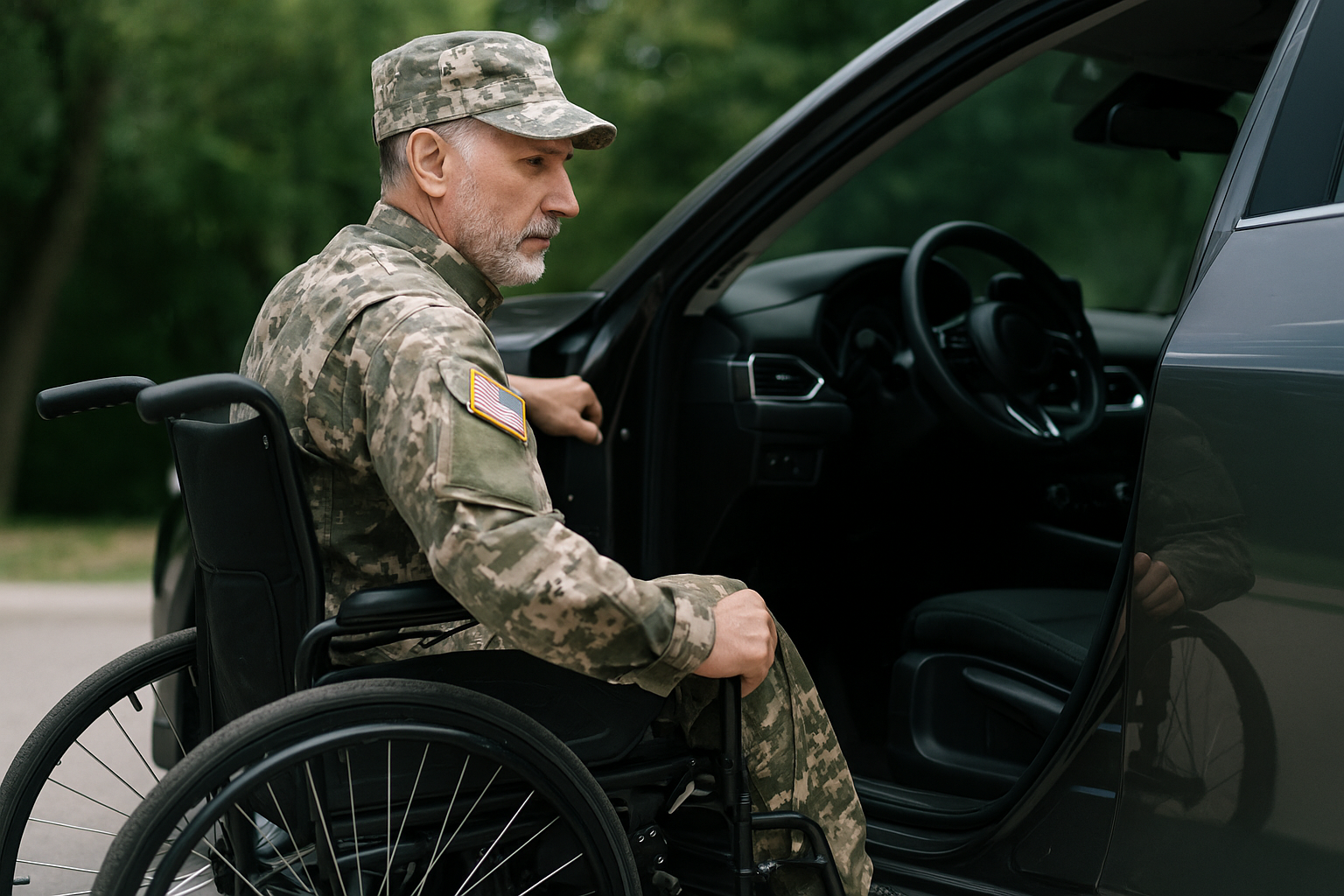
Understanding VA Vehicle Assistance for Service-Connected Disabilities
Navigating the benefits available for veterans with service-connected disabilities can often be complex and potentially overwhelming. One area where the Department of Veterans Affairs (VA) offers substantial support is in the realm of vehicle assistance. If you or a loved one is dealing with a service-connected disability, you might wonder whether you qualify for VA vehicle assistance, what the benefits entail, and how this support can enhance mobility and daily life.
What is VA Vehicle Assistance?
VA Vehicle Assistance is a program designed to help veterans with specific service-connected disabilities acquire vehicles that cater to their mobility needs. These disabilities often require vehicle modifications for safety and accessibility, such as wheelchair lifts, hand controls, and other adaptive equipment.
Eligibility Criteria
To qualify for this assistance, veterans must meet certain conditions. The primary eligibility requirement is having a service-connected disability that limits mobility. Here’s a breakdown of specific qualifications:
- Loss or permanent loss of use of one or both hands or feet.
- Permanent impairment of vision in both eyes with a specified degree of visual acuity.
- Ankylosis (immobility) of one or both knees or one or both hips that precludes effective use.
These conditions should be well-documented in VA medical records to facilitate the application process.
Types of Assistance Available
The VA provides two primary forms of vehicle assistance:
- Automobile Allowance: A one-time payment (currently up to $24,115.54 in 2026) to assist with the purchase of a vehicle.
- Adaptive Equipment Grant: Covers the cost of necessary vehicle modifications to make the vehicle accessible and operable for the veteran.
It's important to note that while the automobile allowance is a one-time benefit, the adaptive equipment grant can be accessed multiple times, allowing for ongoing support in maintenance and replacement of necessary equipment.
Application Process for VA Vehicle Assistance
Applying for VA vehicle assistance involves several steps:
- Gathering Documentation: Compile required documents such as medical records, proof of service, and diagnosis of the service-connected disability.
- VA Form 21-4502: This form is essential for applying for the automobile allowance and equipment grant. It must be completed and submitted to the VA.
- VA Regional Office: Submit the application to the VA Regional Office for review and processing.
- Consultation with VA Liaisons: Engage with a VA liaison who will assist with the process and provide necessary guidance.
Timeframes for approval can vary, so it’s beneficial to begin the application process well ahead of purchase or modification needs.
Real-World Impact of VA Vehicle Assistance
VA vehicle assistance can significantly enhance the quality of life for disabled veterans. Consider the case of John, a veteran who lost the use of his right leg. With the aid of the automobile allowance and an adaptive equipment grant, John acquired a vehicle fitted with hand controls and a wheelchair lift. This modification restored his independence, allowing him to manage daily errands and social engagements without relying on others.
Another example, Jane, a veteran with impaired vision, used the automobile allowance to acquire a vehicle with adaptive vision assistance technology. This allowed her to navigate safely and maintain her job, ensuring her ability to support her family independently.
These real-world examples underscore the value and necessity of the VA’s support systems for those who have sacrificed for their nation.
Recent Developments and Future Outlook
As of 2026, recent legislation has expanded funding for the VA’s vehicle assistance programs, set to increase annually to adjust for inflation and evolving technology. These enhancements aim to ensure that all eligible veterans can access the highest standards of mobility support.
According to a 2026 VA report, over 50,000 veterans have benefited from these programs, reflecting significant ROI in veterans' ability to live independent and fulfilling lives. Ongoing advocacy from veteran organizations continues to push for broader eligibility criteria to include more invisible disabilities and cognitive impairments.
Conclusion: Empowering Lives Through Mobility
For veterans facing mobility challenges due to service-connected disabilities, the ability to travel independently is more than a convenience; it's a pathway to independence and enhanced quality of life. The VA vehicle assistance helps unlock this potential, underscoring the nation’s commitment to those who have served.
Understanding your eligibility and the application process is the first step. If you believe you or someone you know might qualify for this program, don’t hesitate to reach out to the VA for detailed guidance and support. For more information, visit the official VA website or contact a veterans’ service organization for personalized assistance.
References:
- Official VA Website
- Veterans' Employment and Training Service
- American Legion’s VA Benefits Resources
- https://www.va.gov/disability/eligibility/special-claims/automobile-allowance-adaptive-equipment/
https://www.va.gov/disability/compensation-rates/special-benefit-allowance-rates/
https://www.va.gov/forms/21-4502/
https://www.rehab.va.gov/PROSTHETICS/psas/AAE.asp
https://www.va.gov/health-care/file-travel-pay-reimbursement/