How to Find Affordable Residential Electricity Plans in Texas
Are you tired of high energy bills? Discover how you can explore options for affordable residential electricity in Texas. This article breaks down various ways Texans can reduce costs without compromising on comfort.
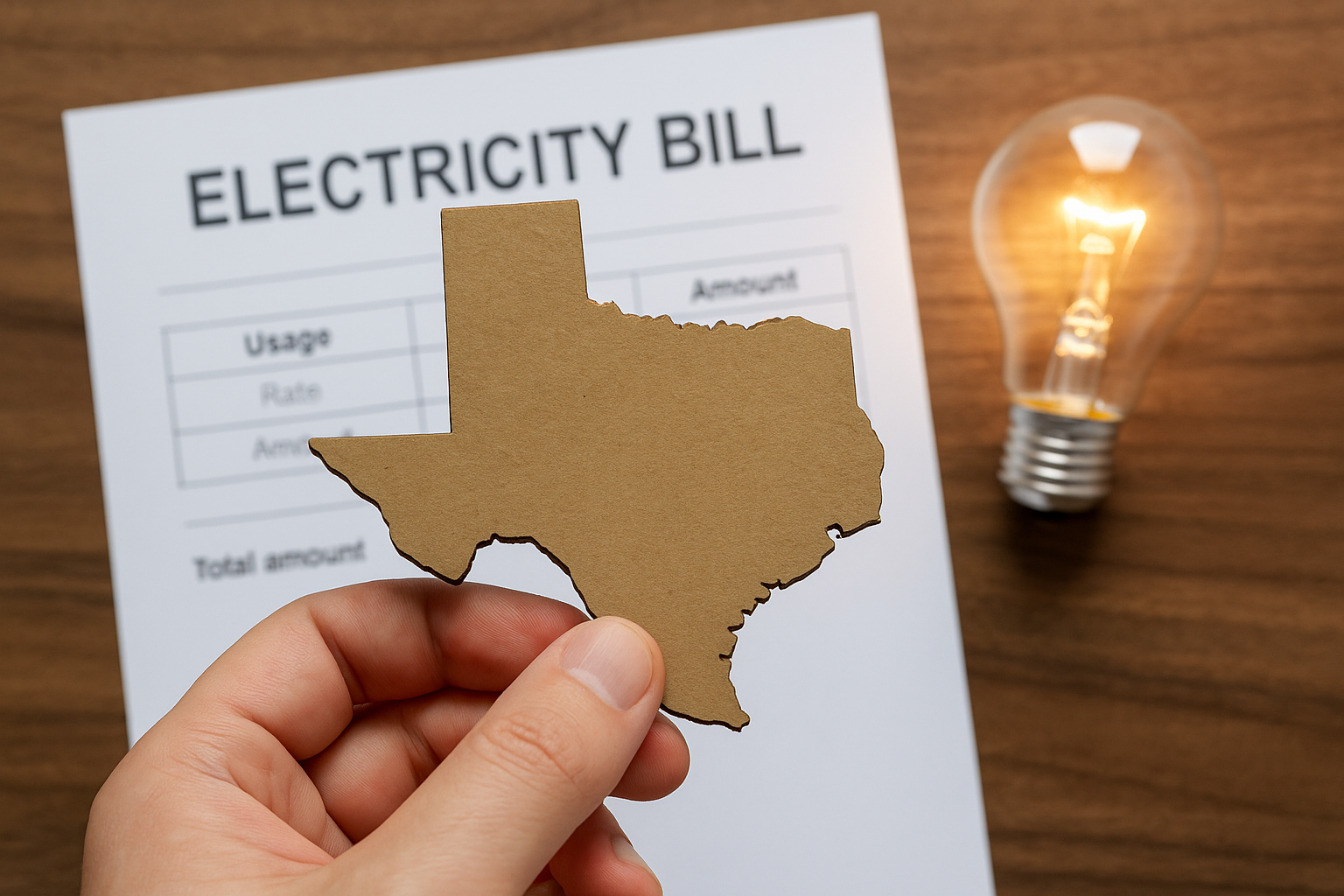
Understanding Affordable Residential Electricity in Texas
When you hear the phrase "affordable residential electricity in Texas," you might wonder how the electricity market in Texas works and what makes electricity affordable or otherwise. Texas's unique energy market poses both challenges and opportunities for residents looking to manage their energy expenditures efficiently. By understanding the different factors influencing electricity prices, Texans can make informed choices that lead to cost savings.
The Texas Electricity Market: An Overview
Unlike many other states, Texas boasts a deregulated electricity market, which means that consumers have the power to choose their electricity providers rather than being tied to a single option. This deregulation started in earnest in 2002 and was intended to foster competition, which theoretically leads to lower prices and improved service. As of 2026, over 85% of Texans have the option to choose their provider, with exceptions mainly in areas served by municipal utilities and cooperatives.
This competition has indeed translated into a plethora of choices. However, it can also make the decision-making process quite overwhelming for consumers who must navigate contract terms, rate structures, and usage patterns. Understanding these components is crucial to achieving affordable electricity.
Factors Affecting Electricity Prices in Texas
Several factors influence the price of electricity in Texas:
- Supply and Demand: Like many commodities, electricity prices are heavily influenced by the balance of supply and demand. During peak demand periods, such as hot summer afternoons when air conditioning units are running full blast, electricity prices can soar.
- Fuel Costs: The cost of natural gas, a primary fuel source for electricity generation in Texas, can cause fluctuations in electricity prices. As of 2026, while natural gas remains abundant, geopolitical and environmental considerations could impact its price.
- Regulatory and Environmental Factors: Policies aimed at reducing carbon emissions or transitioning to renewable energy can impact electricity pricing. Texas has been investing in wind and solar power, which has sometimes reduced costs and sometimes increased them due to integration and infrastructure changes.
Choosing an Electricity Plan
With over 100 retail electric providers (REPs) in Texas as of 2026, choosing the right plan is vital. When evaluating plans, Texans should consider:
- Fixed vs. Variable Rates: Fixed-rate plans offer a stable price for the duration of the contract, providing protection against price spikes, while variable rates can fluctuate monthly based on market conditions.
- Usage Levels: Many plans feature different rates for various usage levels. Understanding your household's typical electricity consumption can help you choose a plan that offers the best rates for your usage tier.
- Contract Length and Terms: Be wary of cancellation fees and the implications of contract lengths. Shorter contracts offer more flexibility, while longer contracts might lock in favorable rates.
Real-World Example: Dallas Suburbs
Consider a family living in the suburbs of Dallas. They consume around 2,000 kWh monthly. In 2026, they might find a competitive fixed-rate plan offering 9 cents per kWh, while the state average hovers around 11 cents. This choice could save them approximately $40 per month compared to the state average.
Energy-Efficient Measures to Reduce Costs
Besides choosing the right electricity plan, implementing energy-efficient measures can significantly reduce costs. Some strategies include:
- Smart Thermostats: These can optimize heating and cooling schedules to reduce energy use when you’re not home.
- LED Lighting: Replacing traditional bulbs with LEDs reduces energy consumption for lighting by 70-90%.
- Energy Star Appliances: These appliances use significantly less electricity than their non-rated counterparts.
Future Trends in Texas Energy
Looking forward, Texas continues to lead in renewable energy production. By 2026, it's expected to increase its existing wind power capacity significantly and develop a more robust solar power infrastructure. These shifts are poised to impact pricing and energy availability positively.
Additionally, advancements in battery storage technology and smart grid innovations will likely provide more stability and efficiency in energy distribution, potentially leading to cost savings for consumers.
Conclusion: Navigating Texas Electricity with Confidence
As a Texan, navigating the energy market with its vast array of providers and plans can be daunting. However, equipping yourself with knowledge about how electricity pricing works and what options are available can lead to significant savings. By choosing the right plan, optimizing your home for energy efficiency, and staying informed about industry trends, you can ensure your energy costs remain as affordable as possible while contributing to a more sustainable future.
For further reading and up-to-date market prices, you can visit reputable sources like the Public Utility Commission of Texas (PUC Texas) and the Energy Reliability Council of Texas (ERCOT).