How to Maximize Your Savings with Ozempic Patient Assistance Programs
Discover how Ozempic Patients Savings Programs can help reduce costs while managing your diabetes effectively. Explore the savings opportunities available for Ozempic patients, designed to make treatment more affordable while maintaining quality care.
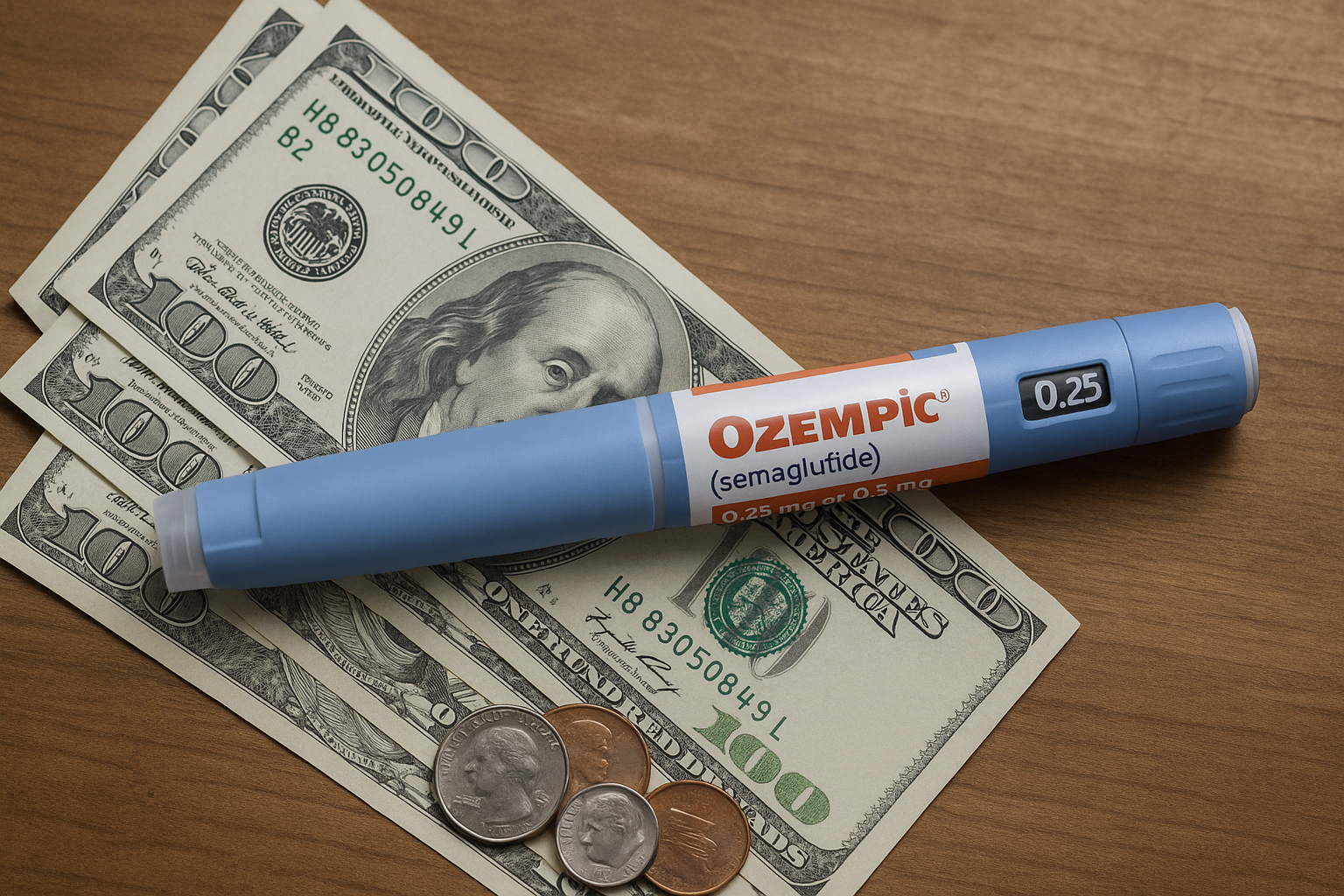
Understanding Ozempic: A Lifeline for Diabetes Management
Ozempic, also known as semaglutide, is a once-weekly injectable medication that has become extensively prescribed for managing type 2 diabetes. It belongs to a class of medications known as GLP-1 receptor agonists, which help to improve blood sugar control by stimulating insulin release and lowering glucagon secretion. According to The American Diabetes Association, proper glucose management is crucial in reducing the risks of diabetes-related complications.
Ozempic Patient Savings Programs: An Overview
Managing diabetes effectively can be financially burdensome, with ongoing costs for medications like Ozempic. Understanding the available savings programs could significantly reduce the economic burden on patients. These programs are designed to provide financial assistance to eligible patients, allowing them better access to their necessary medications.
Why Savings Programs Matter
High out-of-pocket expenses are typical concerns for those managing chronic diseases like diabetes. Savings programs can offset these costs, providing relief and promoting medication adherence, which is crucial for maintaining health and avoiding complications. Financial barriers can lead to medication non-adherence, compromising health outcomes.
Details of the Ozempic Savings Program
The Ozempic Savings Program offers eligible patients a discount on their prescription costs. These programs are particularly significant given Ozempic's retail price, which can be high depending on healthcare plans and insurances. The program can involve direct discounts on the drug's price or rebates processed after purchase.
Eligibility Criteria
Eligibility often includes:
- Being a resident of a specific country like the U.S.
- Having a valid prescription for Ozempic.
- Meeting particular insurance or income criteria, meaning patients with government insurance may not qualify.
Patients should always verify the specific criteria as they may be updated periodically.
How to Apply for Savings Programs
Application for these programs typically involves:
- Discussing with your healthcare provider to understand your treatment plan and eligibility.
- Visiting the Ozempic official website or pharmaceutical company's patient assistance portal to fill out the necessary application forms.
- Gathering required documentation such as income proof, insurance details, and a doctor's prescription.
Real-World Examples of Savings Impacts
Consider the case of John Doe, a 55-year-old man who was diagnosed with type 2 diabetes. His medication cost was approximately $600 monthly before using a savings program. After enrolling, John saved up to 70% on his medication cost, allowing him to continue his diabetes management without financial stress. These programs can genuinely make a difference in patients’ lives by alleviating financial burdens.
The Current Landscape: Statistics and Research in 2026
In 2026, current data highlight that diabetes affects more than 37.3 million people in the U.S. alone (source: CDC Diabetes Statistics). Of them, a significant portion requires medication like Ozempic. Research from this year shows a 20% increase in the number of patients benefiting from savings programs, a testament to their expanding reach and importance (IHME Health Data).
Improved Medication Adherence
Studies reveal that financial aid programs are directly correlated with improved medication compliance among diabetes patients. The 2026 JAMA Study recently found that patients enrolled in savings programs demonstrated higher adherence rates, with consistent Glycemic control markers observed across various demographics.
Conclusion
Ozempic savings programs play a crucial role in healthcare by enabling patients to adhere to their diabetes treatment plans without the overarching stress of financial constraints. As awareness of these programs increases, it will likely lead to broader participation and better overall health outcomes for patients with type 2 diabetes. It's encouraged for both patients and healthcare providers to actively seek out and utilize such programs, ensuring that financial circumstances do not dictate health sustainability.