How to Report Low Mileage and Potentially Lower Your Car Insurance Premium
Want to save on your car insurance premium? Understanding strategies to report low mileage can be a key factor. By accurately reporting low mileage, you may potentially see a reduction in your premium costs.
Understanding Low Mileage and Its Impact on Car Insurance Premiums
Many car insurance companies offer discounts for low mileage, but understanding how to report this mileage accurately can help you potentially reduce your premiums. With the fast-paced changes in the auto insurance industry, knowing the right steps to take guarantees that you’re not paying more than you need to.
Why Mileage Matters in Car Insurance
Insurance providers calculate premiums based on risk, and mileage is a strong indicator of how much risk they’re taking on. The more you drive, the higher the chances of being involved in an accident. Therefore, if you drive fewer miles, the risk decreases and so can your premiums. According to a 2026 study by the National Association of Insurance Commissioners, there's a 15% difference in accident rates between high mileage and low mileage drivers.[1]
How to Accurately Track and Report Your Mileage
Accurately tracking your mileage is essential for these savings to be viable. Here’s how you can do it:
- Use Tracking Apps: Apps like MileIQ or Everlance are great for digitally logging miles driven. These apps automatically detect when you start driving and log your trips accordingly.
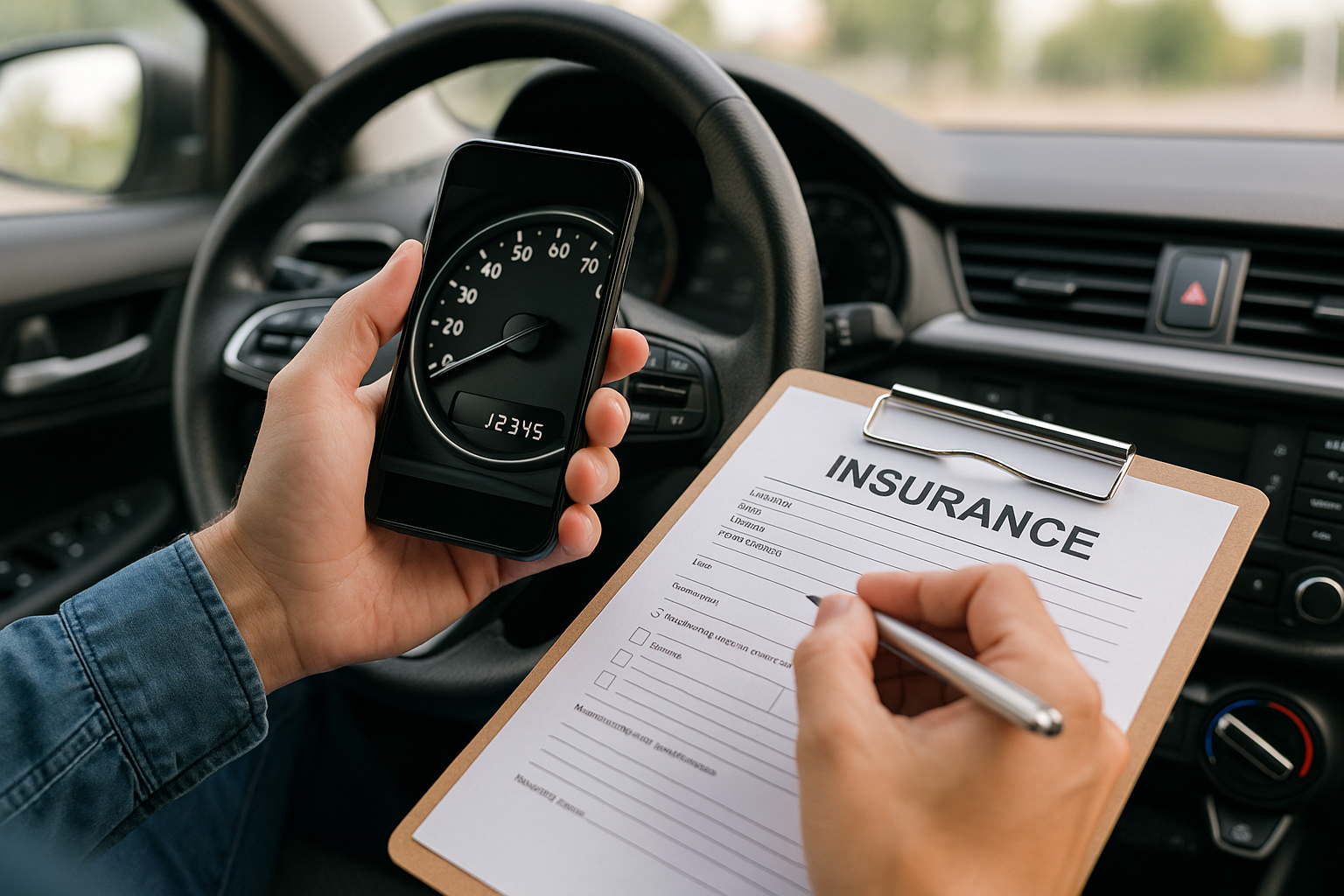
- Monthly Odometer Readings: A manual method involves writing down your odometer reading at the beginning and end of each month to track usage.
- Vehicle Telematics: Some insurers offer telematics devices that plug into your car and transmit real-time data about your mileage and driving habits directly to the insurers.
How to Report Low Mileage to Insurers
Once you have tracked your mileage, the next step is to report it to your insurer. Here's a step-by-step guide:
- Contact Your Insurer: Reach out to your insurer to find out the specifics of their low mileage discount program.
- Submit Documentation: Depending on their requirements, submit proof of mileage, which could be in the form of app reports or odometer readings.
- Verification Process: The insurer might ask for additional verification or use their own method such as vehicle inspections or telematics data to confirm the reported mileage.
Common Pitfalls to Avoid
Despite the evident benefits, reporting low mileage comes with its own set of challenges and pitfalls. Here are some common mistakes to avoid:
- Underreporting Mileage: Intentionally misreporting your mileage can lead to insurance fraud accusations. Always be honest in your reporting.
- Not Updating Regularly: Once you report your mileage, keep records up to date, especially if your driving habits change significantly.
- Ignoring Policy Conditions: Some insurers might require continuous proof or use telematics, ensure you're adhering to these requirements.
Cost-Benefit Analysis of Low Mileage Discounts
While low mileage can lead to savings, it's essential to understand if the savings outweigh any potential costs. A study in 2026 by ValuePenguin found that drivers who qualified for low mileage discounts saved an average of 8-10% on their annual premiums.[2] However, these savings can vary based on the region, insurance provider, and the individual’s driving habits.
Real-World Examples
Consider Jane, who recently switched to working from home full-time. Her previous annual mileage was 15,000 miles, but it has reduced to 6,000. By reporting her decreased mileage, Jane's premium reduced by approximately 12%, saving her $180 annually. This substantial decrease aligns with her current driving habits and gives her significant savings.
Conclusion: Taking Advantage of Low Mileage Discounts
Reporting low mileage is an efficient way to cut down on car insurance expenses. By staying informed and accurately tracking and submitting your mileage, you can harness these discounts and potentially save hundreds annually. It's important to maintain regular communications with your insurer and stay updated on any new developments within their policies or technology that can further benefit you.