How Your Credit Score Might Influence Auto Insurance Rates in Your State
Curious if your credit score impacts auto insurance rates in your state? While credit scores can be a factor, the effect varies based on location and insurer. Discover which states consider credit scores and explore how it might influence your premiums.
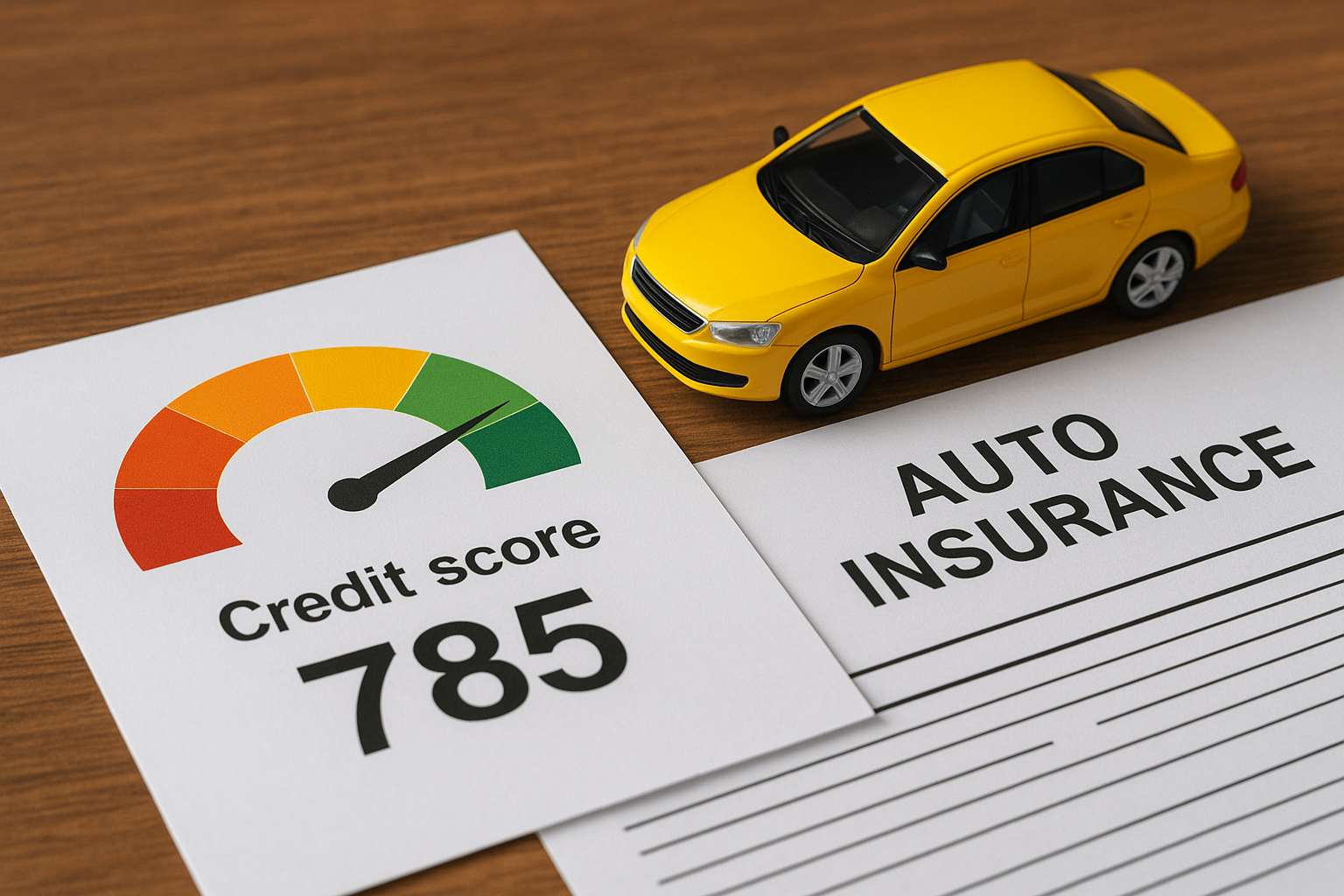
Understanding the Connection Between Credit Scores and Auto Insurance Rates
When it comes to auto insurance, many drivers are surprised to learn that their credit score can have a significant impact on the rates they receive. Insurance providers often assess credit scores as a factor in determining the likelihood of a customer filing a claim. Here, we'll explore this concept and how it varies across different states.
Why Do Credit Scores Affect Auto Insurance Rates?
Insurance companies use credit scores as a tool to predict risk. Statistically, individuals with higher credit scores tend to file fewer claims compared to those with lower scores. The correlation between credit scores and claims risk makes it a valuable metric for insurers.
For instance, a study by the Federal Trade Commission found that individuals with lower credit scores were more likely to file claims due to a variety of factors, including financial stress. This finding underpins why insurers prefer customers with higher credit ratings, as it reduces their risk and potential payouts.
State-Specific Regulations and Variations
While credit score usage is prevalent, not all states permit insurances companies to factor it into their rate calculations. The regulations around this practice can vary significantly:
- California, Hawaii, and Massachusetts: These states have banned the practice of using credit scores to determine auto insurance rates. Instead, they focus on other criteria such as driving history and years of driving experience.
- Most Other States: The majority of states allow insurers to use credit scores, but there are often regulations in place to prevent discriminatory practices.
How Does This Affect You?
If you reside in a state where credit scores influence insurance rates, it's essential to understand how this dynamic might affect your premiums. Here's what you should consider:
- Monitor Your Credit Score: Regularly checking your credit score can help you stay informed about your standing and take corrective action if necessary.
- Compare Insurance Quotes: Even within states that use credit scores, there can be variations in how much weight different insurers give this factor. Shopping around can lead to better deals.
- Improve Your Credit Score: Taking steps to enhance your credit rating, such as paying bills on time and reducing debt, can positively influence your insurance premiums over time.
Real-World Examples and Data
According to a 2026 report by the Insurance Information Institute, policyholders with poor credit scores can pay up to 50% more in premiums than those with excellent scores. For example, in Texas, drivers with a poor credit score might see an annual increase of around $1,000 compared to those with stellar credit.
To further illustrate, let's consider a case study: Sarah, a driver from Florida with an excellent driving record but a poor credit score, found her insurance premium was nearly double that of her sister who had a good credit score but a comparable driving history. This underscores the significant impact credit scores can have on insurance costs.
Debunking Myths and Addressing Concerns
It's not uncommon for individuals to have misconceptions about credit scores and insurance rates. Let's debunk some common myths:
- Myth: Only Major Financial Disasters Affect Credit Scores and Rates: Even smaller credit card balances or missed payments can affect your score and, subsequently, your insurance premiums.
- Myth: Credit Scoring is Unfair in Insurance: The use of credit scores is a proven method to predict risk, though it's crucial for this tool to be used responsibly and transparently.
Steps to Improve Your Situation
If you're concerned about how your credit score might affect your auto insurance, here are proactive steps you can take:
Enhance Financial Habits
Improving financial habits is a surefire way to gradually increase your credit score. This includes paying off debts, maintaining low credit card balances, and avoiding unnecessary lines of credit.
Engage with Insurers
Communicate directly with insurers about what specific factors are affecting your rate. Some companies may offer guidance on how you can qualify for better rates over time.
Explore Alternative Insurance Options
If you're dissatisfied with how your credit score is affecting your insurance, consider options such as insurers who place less emphasis on credit, or those offering policies based on actual driving behavior (telematics).
Conclusion
The impact of credit scores on auto insurance rates is a complex but critical element of rate determination. Understanding your score, its implications, and the regulatory landscape in your state can empower you to make informed insurance choices. Remember, improving your credit score is not only beneficial for lower insurance rates but also for securing better financial health overall.
For further resources, you might visit the Consumer Financial Protection Bureau or the National Association of Insurance Commissioners websites for more detailed guidance on credit impacts and insurance regulations.