Identifying Key Indicators That Could Signal an Impending Stroke
It’s the question on your mind: can you actually see a massive stroke coming? The answer is often yes, as the body can send out crucial warning signs hours, days, or even weeks in advance. We’ll cover the well-known F.A.S.T.
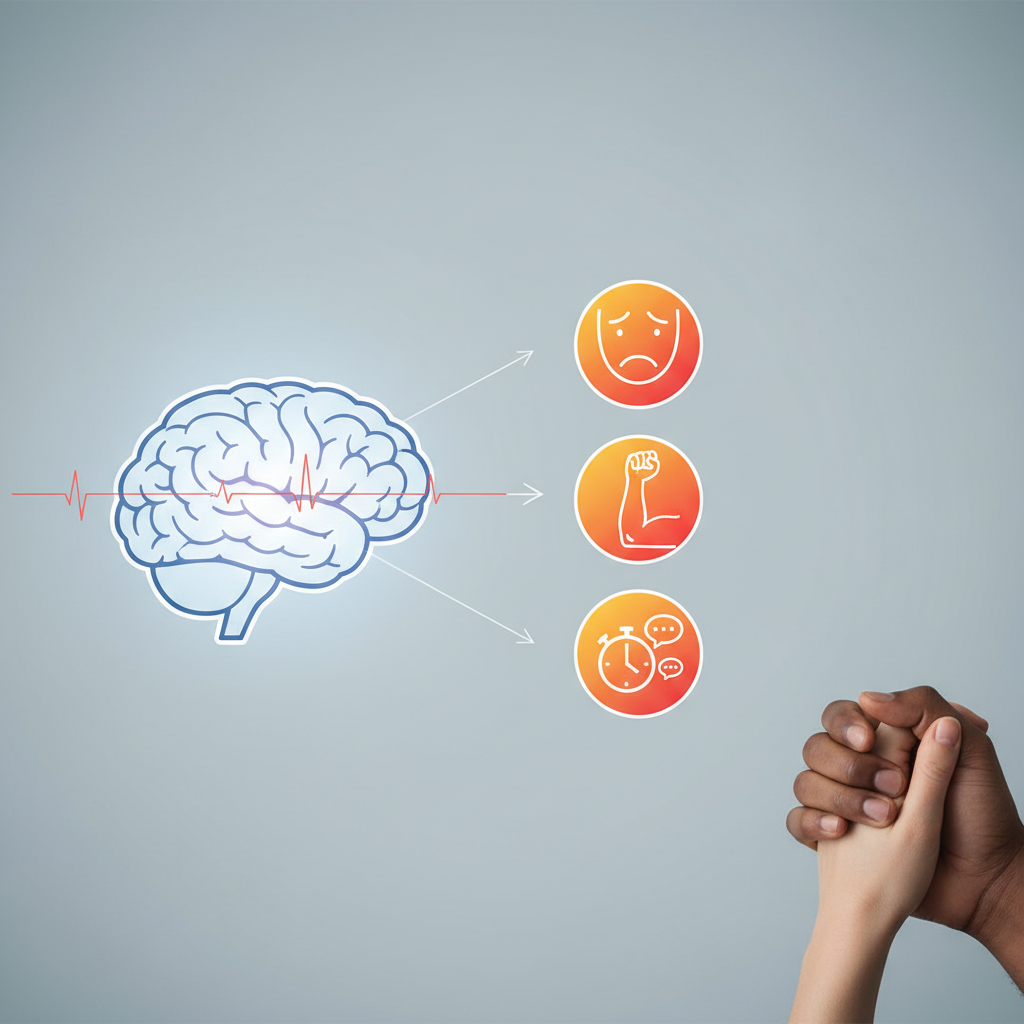
A massive stroke is a serious medical emergency that occurs when the blood supply to a part of the brain is severely interrupted or reduced, preventing brain tissue from getting oxygen and nutrients. Brain cells begin to die in minutes. While the term "massive" can sound sudden and without warning, the body often sends clear signals that something is wrong. Recognizing these signs and acting immediately can be the difference between recovery and long-term disability, or even life and death.
The most common and critical warning signs are often summarized by the acronym F.A.S.T. This simple test is a powerful tool for quickly identifying a potential stroke in yourself or someone else.
The F.A.S.T. Acronym: Your First Line of Defense
Medical professionals urge everyone to learn the F.A.S.T. signs of a stroke. If you see any of these signs, it is crucial to call 911 immediately, even if the symptoms seem to improve or disappear.
F — Face Drooping
One of the most visible signs of a stroke is sudden facial weakness, typically on one side. This happens because the stroke is affecting the part of the brain that controls the facial muscles. You might notice one side of the mouth sagging or an eyelid drooping. A simple way to check for this is to ask the person to smile. If the smile is uneven or lopsided, with one side of the face not responding properly, it's a major red flag.
This drooping isn't just a cosmetic issue; it's a direct indication of neurological distress. The inability to control these muscles can also lead to drooling or difficulty keeping food or liquid in the mouth. It’s a stark and often unmistakable signal that the brain is under attack and requires immediate medical intervention.
A — Arm Weakness
Sudden weakness or numbness in one arm is another classic stroke symptom. The person may find it difficult or impossible to lift one arm, or they may feel a "heavy" or "dead" sensation in the limb. To test for this, ask the person to close their eyes and raise both arms straight out in front of them and hold them there for about 10 seconds. If one arm drifts downward or they cannot lift it at all, this is a strong indicator of a stroke.
This weakness can also extend to the leg on the same side of the body. The person might stumble, feel suddenly uncoordinated, or be unable to support their own weight. This one-sided weakness, known as hemiparesis, is a hallmark sign because a stroke typically affects one hemisphere of the brain, which controls the opposite side of the body.
S — Speech Difficulty
A stroke can significantly impact the brain's language centers, leading to sudden problems with speaking and understanding. The person's speech may become slurred, making them sound intoxicated, or they might struggle to find the right words. In some cases, their speech may be completely jumbled and nonsensical, or they may be unable to speak at all (a condition known as aphasia).
You can check for this by asking the person to repeat a simple phrase, like "The sky is blue" or "Don't cry over spilled milk." If they are unable to repeat the sentence clearly, slur the words, use the wrong words, or cannot speak at all, it's a critical sign. They may also appear confused and have trouble understanding what you are saying to them, even if the question is simple.
T — Time to Call 911
This last letter is not a symptom, but the most important action you can take. If you observe any of the F.A.S.T. signs, it is time to call 911 immediately. Do not wait to see if the symptoms improve. Do not try to drive the person to the hospital yourself. Paramedics can begin life-saving treatment on the way to the emergency room and are trained to transport the patient to a hospital that is best equipped to handle a stroke.
Every minute that passes during a stroke, millions of brain cells are lost. The effectiveness of treatments, such as clot-busting drugs, is highly time-dependent. Acting fast can significantly improve the chances of a positive outcome and reduce the severity of long-term damage.
Other Critical Warning Signs to Know
While F.A.S.T. covers the most common symptoms, there are other potential warning signs that can signal a stroke. These can occur alone or in combination with the F.A.S.T. symptoms:
- Sudden Vision Problems: This can manifest as blurred or blackened vision in one or both eyes, or suddenly seeing double. It may feel like a curtain is being pulled over their field of vision.
- Sudden Trouble Walking: A person may suddenly feel dizzy, stumble, or experience a complete loss of balance and coordination. They might lurch to one side when trying to walk.
- Sudden Severe Headache: This is often described as a "thunderclap" headache—a sudden, excruciating pain with no known cause. It can be accompanied by vomiting, dizziness, or a stiff neck. This is more common in hemorrhagic strokes, which involve bleeding in the brain.
- Sudden Confusion: Beyond just speech issues, the person may suddenly seem disoriented, struggling to understand their surroundings or simple conversations.