Identifying When Your Furnace Needs Urgent Replacement: Warning Signs to Know
Ignoring furnace warning signs could mean failing to detect when your home furnace needs to be replaced immediately. Early detection of performance dips and unusual noises are key indicators. Understanding these warning signs helps you prevent costly breakdowns.
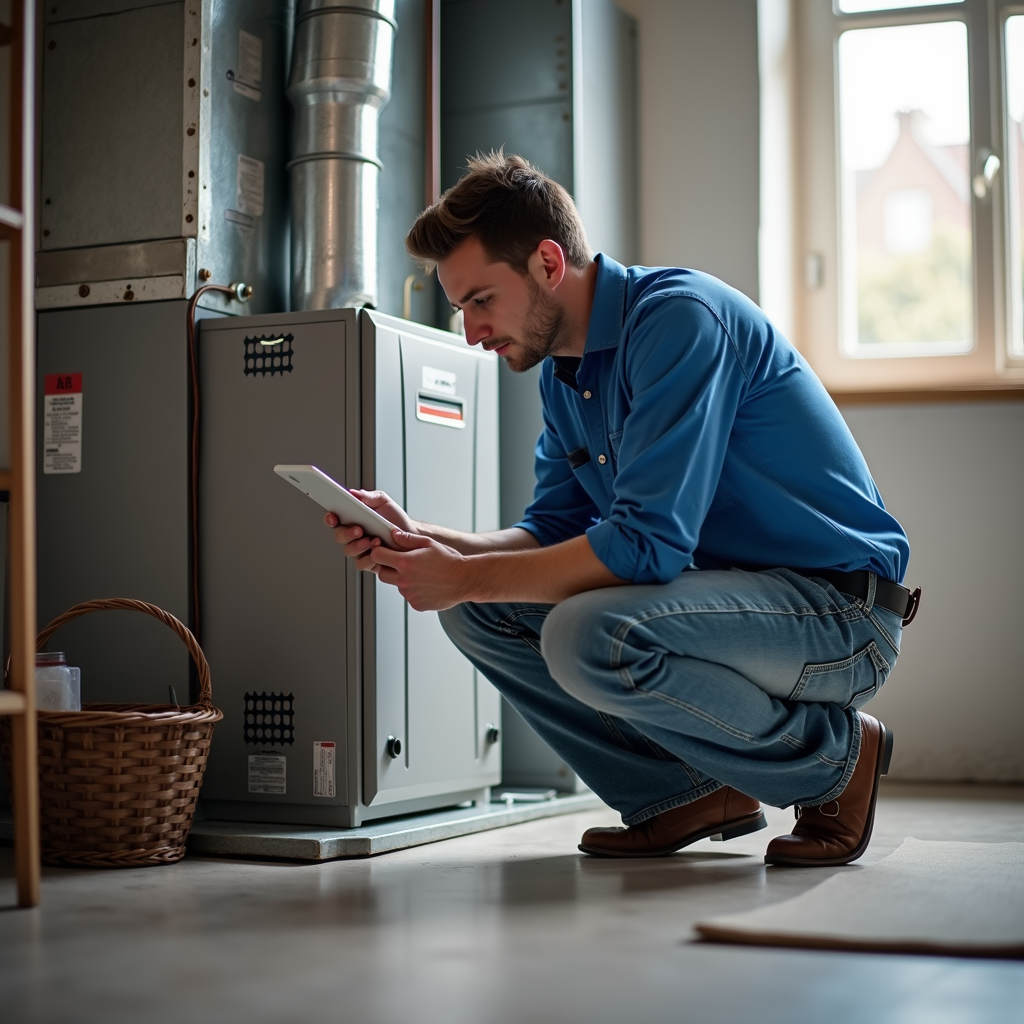
Understanding the Warning Signs: When Is It More Than Just a Tune-Up?
When you see ads like, "Are these warning signs that your furnace needs replacing immediately?", it's natural to feel a mix of concern and confusion. You might think, "It's just making a little noise," or "The heat isn't perfect." However, HVAC experts agree that sometimes, those small, seemingly insignificant signs are actually indicators of a deep, systemic failure. Understanding the subtle differences between typical seasonal wear-and-tear and critical component failure is key to preventing a multi-day cold snap from becoming a costly and dangerous emergency.
A furnace reaching the end of its operational life isn't a sudden, dramatic event. Instead, it’s a gradual decline, much like a car engine that starts needing more frequent oil changes and more attention. The core issue is often a combination of decreased efficiency, increased operational costs, and, most critically, safety risks. Knowing what to listen for, smell for, and observe is the best defense against a full-blown breakdown.
Recognizing Degrading Performance Indicators
The most common complaints people have about an old furnace are related to inconsistent heating. However, experienced professionals know that inconsistent heat isn't just about the thermostat—it's about the entire system struggling to maintain optimal temperature. Keep an ear out for these specific performance dips:
- Uneven Heating Distribution: If you find that only certain rooms are getting adequately heated, it suggests either ductwork leaks or, more seriously, that the furnace is losing capacity as it cycles on and off rapidly.
- Temperature Fluctuations: Modern furnaces are designed to maintain a steady temperature with minimal swings. If your house feels intensely hot immediately after the furnace kicks on, followed by a noticeable drop, the system is struggling with its ignition or venting components.
- Increased Runtime: While higher runtimes are expected during extreme weather, if your furnace seems to be working significantly harder or longer than it did the previous year, it is actively fighting against a reduction in its overall BTU output.
The Critical Safety Concerns: Smells, Sounds, and Signals
When diagnosing a furnace issue, safety must always be the primary concern. Certain warning signs aren't just signs of inconvenience; they are signs of potential hazards—things like carbon monoxide poisoning, electrical fire, or structural damage. Never ignore these signals.
Unusual Sounds: Listen Closely
A healthy furnace operates with a steady, predictable rhythm. Changes in this rhythm can be highly diagnostic:
- Clicking or Popping Noises: Sometimes normal. But if the clicking is rapid, erratic, or accompanied by an immediate loss of heat, it could indicate an electrical component (like a relay) nearing failure.
- Grinding or Rattling Sounds: These metallic sounds usually point to a mechanical failure, often involving worn bearings on the blower motor or deteriorating components in the heat exchanger. These issues require immediate professional attention, as they indicate significant wear.
- Loud Whining or Screaming: This persistent, high-pitched noise often suggests a belt that is worn, loose, or improperly tensioned, but it can also indicate motor strain.
Unpleasant Odors: Never Ignore a Smell
The sense of smell is often the most reliable early warning system. Two specific odors are emergency indicators:
- Smell of Gas (Sulfur or Rotten Eggs): This is the classic sign of a gas leak. If you detect this odor, leave the home immediately and call your utility company from a safe distance. Never attempt to locate the leak or use electronic devices near the source.
- Burning Plastic or Electrical Smell: This is perhaps the most alarming scent, indicating electrical overheating or short-circuiting within the unit. Turn off the main circuit breaker immediately and call an emergency HVAC service.
- Smell of Combustion (Unburnt Fuel): While sometimes associated with minor venting issues, a persistent smell of unburnt fuel, especially mixed with heat, suggests that the combustion chamber or heat exchanger may be cracked, allowing dangerous byproducts to escape into the home's air supply.
The Peril of Carbon Monoxide (CO)
The biggest myth surrounding older furnaces is that they only malfunction during extreme cold. In reality, a failing heat exchanger can crack, allowing lethal carbon monoxide (CO) to be released into your indoor air, even when the system appears to be running normally. CO is colorless, odorless, and deadly. Modern recommendations, particularly those reinforced in 2026, strongly emphasize the installation and regular testing of high-quality CO detectors, regardless of the age of your unit. If you are experiencing any combination of headaches, dizziness, nausea, or fatigue during heating periods, the first call must be to emergency services to test for CO.
Efficiency, Costs, and the Economics of Replacement
When furnace owners talk about replacement, they are rarely just talking about fixing a broken machine. They are talking about investment, energy savings, and long-term comfort. The cost comparison between a major repair and a replacement often hinges on age and efficiency ratings.
The Efficiency Drain: Understanding AFUE Ratings
Furnaces are rated using the Annual Fuel Utilization Efficiency (AFUE) rating. This number tells you how efficiently the unit converts the energy it consumes into usable heat. A higher AFUE rating is better. For context, units that were considered highly efficient 15 years ago might now have an AFUE rating far lower than current models. While mechanical repairs address *function*, replacement addresses *efficiency*.
If your existing furnace is operating at a significantly lower AFUE than modern standards, the excess energy waste isn't just going into the atmosphere; it's adding to your utility bills. Over the lifespan of a home, the cumulative cost of running an inefficient furnace can often exceed the initial cost savings of a new, high-efficiency model.
The Cost-Benefit Analysis of Repair vs. Replacement
A professional technician will always perform this analysis for you. Generally speaking:
- Minor Repair: Component replacement (filter, belt, blower motor). These are targeted fixes.
- Moderate Repair: Heat exchanger replacement, gas valve replacement. These are serious, expensive structural repairs that require careful inspection.
- Replacement: Occurs when the furnace is nearing the end of its lifespan (typically 15–20 years), or when the structural integrity of the heat exchanger cannot be guaranteed, regardless of repair.
When a unit is old, multiple repairs tend to pile up, creating a cycle of temporary fixes. At a certain point, the cost of repairing components begins to approach the percentage of the cost of a new, upgraded unit. This tipping point is often the moment replacement is the most financially sound choice.
System Lifespan, Maintenance, and Preemptive Care
A furnace does not have an expiration date, but it does have an operational lifespan that is heavily influenced by maintenance and usage. Proper upkeep is not merely a suggestion; it is a critical component of safety and longevity.
The Role of Professional Maintenance
Annual maintenance appointments are non-negotiable. A professional service provider doesn't just change the filter; they:
- **Clean the Heat Exchanger:** Removing accumulated soot and debris ensures maximum heat transfer.
- **Inspect for Corrosion:** Checking for signs of rust or acid buildup, which can compromise the metal and lead to catastrophic failures.
- **Test Gas Pressure and Electrical Components:** Ensuring all safety valves and controls are operating within precise modern tolerances.
This proactive approach significantly minimizes the chance of encountering a genuine emergency during the peak heating season. It turns potential emergency costs into manageable preventative expenses.
Considering Age and Modernization
If your furnace is nearing the 15-20 year mark, even if it appears to be running fine, its efficiency and reliability have statistically decreased. Furthermore, modern building standards and utility goals (such as those outlined by federal initiatives aiming for net-zero energy) require much higher levels of efficiency than older units can provide. An upgrade may not just be about fixing a problem, but about future-proofing your home's comfort and energy budget. Given the rising energy costs projected through 2026, the energy savings from a modern, high-efficiency condensing furnace can provide a compelling financial argument for replacement.
Ultimately, the most valuable indicator that your furnace needs attention—whether it's a simple tune-up or a complete replacement—is the cumulative warning signs. If you are smelling odors, hearing grinding, or if your utility bills seem to be skyrocketing without corresponding improvements in comfort, it is time to schedule a comprehensive, diagnostic evaluation. Don't wait for the critical breakdown; stay informed, stay safe, and keep your home comfortable year-round.