Improve Your Rest: Exploring Effective Sleep Apnea Solutions
If you're exploring sleep apnea devices to finally get a better night's sleep, you're in the right place. Understanding the differences between the most common options—from standard CPAP machines to APAP, BiPAP, and even oral appliances—is the first step toward making an informed choice.
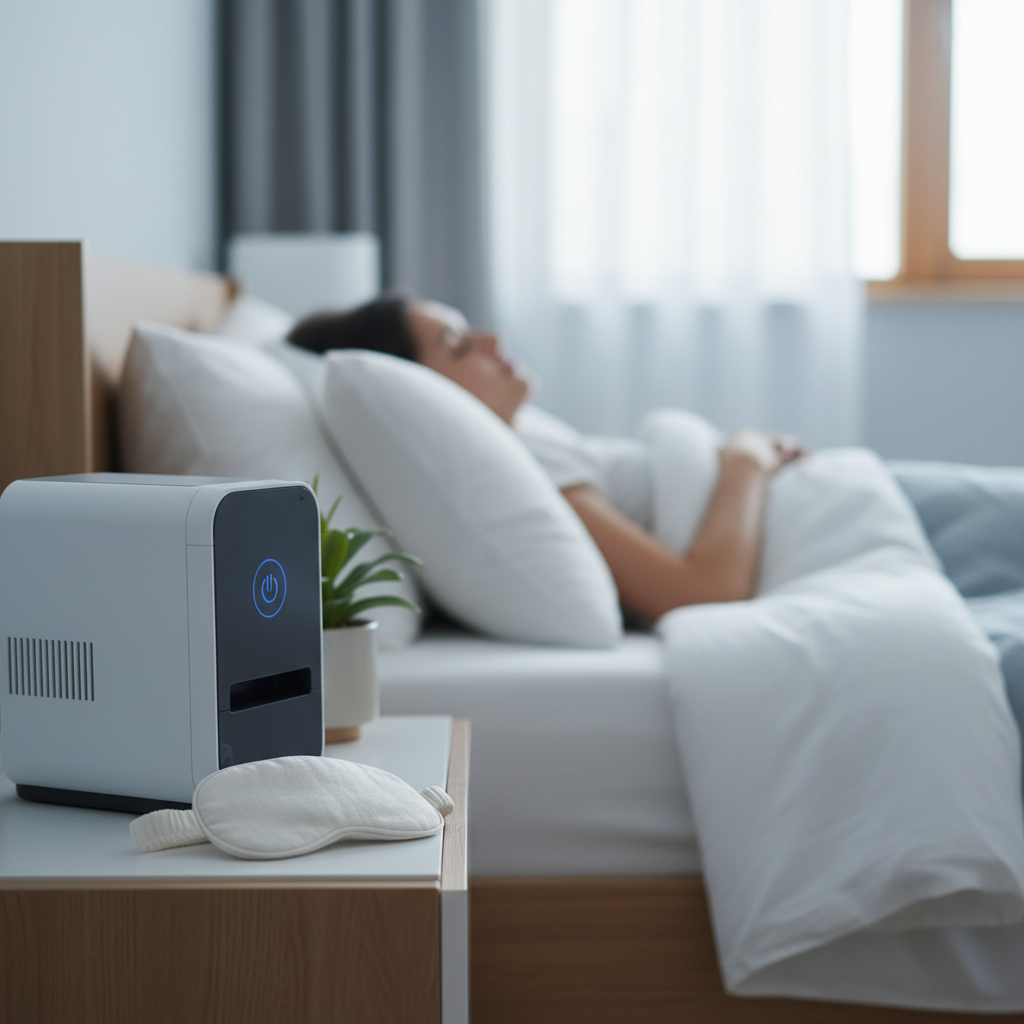
A Guide to Devices That Help Manage Sleep Apnea
Key Types of Sleep Apnea Treatment Devices
Living with sleep apnea means navigating a world of interrupted rest and potential health risks. Fortunately, modern medicine offers a variety of devices designed to keep airways open during sleep, allowing for restorative breathing and a better quality of life. Understanding the options available is the first step toward finding a solution that fits your specific needs and comfort level.
Continuous Positive Airway Pressure (CPAP) Machines
The Continuous Positive Airway Pressure, or CPAP, machine is widely considered the gold standard for treating moderate to severe obstructive sleep apnea. This device works by delivering a constant, steady stream of pressurized air through a hose and a mask that is worn over the nose, mouth, or both. This consistent airflow acts as a splint, preventing the soft tissues in the back of the throat from collapsing and blocking the airway. The main components include the motor, which pressurizes air from the room; the hose, which delivers the air; and the mask, which creates a seal around your face.
The primary benefit of a CPAP machine is its high efficacy in preventing apnea events, which leads to immediate improvements in sleep quality, reduced snoring, and decreased daytime fatigue. Many modern machines also come with features designed for comfort, such as a "ramp" function that starts the pressure low and gradually increases it as you fall asleep. Humidifiers can also be integrated to add moisture to the air, preventing dryness in the nasal passages and throat, which is a common complaint among new users. The biggest challenge for many is adjusting to wearing a mask, but with various styles available—from full-face masks to smaller nasal pillows—most people can find a comfortable fit.
Automatic Positive Airway Pressure (APAP) Machines
An Automatic Positive Airway Pressure (APAP) machine is a more technologically advanced version of a CPAP. While a CPAP delivers a single, fixed pressure level throughout the night, an APAP machine uses sophisticated algorithms to monitor your breathing on a moment-to-moment basis. It automatically adjusts the pressure level based on your needs, providing more pressure when it detects an airway collapse or narrowing and less pressure when your breathing is stable. This responsive technology makes it a more intuitive and often more comfortable option for some users.
The main advantage of an APAP device is its personalized approach. The fluctuating pressure levels can feel more natural and less intrusive, especially for individuals who find the constant pressure of a CPAP difficult to exhale against. This adaptability is also beneficial for people whose pressure needs change depending on their sleeping position, sleep stage, or alcohol consumption. Because the machine often operates at a lower average pressure throughout the night, it can lead to fewer side effects like air swallowing or bloating. Doctors may prescribe an APAP during the initial titration period to determine the optimal pressure settings for a patient.
Bilevel Positive Airway Pressure (BiPAP) Machines
A Bilevel Positive Airway Pressure, or BiPAP, machine takes air pressure therapy a step further by providing two distinct pressure settings: a higher pressure for when you inhale (inspiratory positive airway pressure, or IPAP) and a lower pressure for when you exhale (expiratory positive airway pressure, or EPAP). This bilevel system makes the process of breathing feel much more natural, as you don’t have to work as hard to breathe out against a high-pressure stream of air. This feature is particularly helpful for certain patient populations.
BiPAP machines are typically prescribed for individuals who require very high pressure settings that would make exhaling against a standard CPAP uncomfortable or impossible. They are also commonly used for patients with certain lung disorders, such as Chronic Obstructive Pulmonary Disease (COPD), or neuromuscular conditions that affect breathing. The lower expiratory pressure can reduce the work of breathing, making it a critical therapeutic tool for those with more complex sleep-disordered breathing patterns, including central sleep apnea.
Oral Appliances (Mandibular Advancement Devices)
For individuals with mild to moderate obstructive sleep apnea, or for those who cannot tolerate PAP therapy, an oral appliance can be an excellent alternative. The most common type is the Mandibular Advancement Device (MAD), which looks very similar to a sports mouthguard. These devices are custom-fitted by a dentist and work by gently repositioning your lower jaw and tongue slightly forward. This small adjustment is enough to tighten the soft tissues and muscles of the upper airway, preventing obstruction while you sleep.
The benefits of oral appliances are significant. They are small, silent, portable, and easy to clean, making them ideal for travel and convenient for nightly use. Unlike PAP machines, they don’t require electricity or distilled water. However, their effectiveness can vary, and they are generally not recommended for severe sleep apnea. Potential side effects include jaw soreness, tooth movement, or changes in bite alignment over time, which is why regular follow-ups with a dentist specializing in these devices are essential.
Hypoglossal Nerve Stimulators
One of the newest innovations in sleep apnea treatment is the hypoglossal nerve stimulator. This is an implantable device that works like a pacemaker for the tongue. It consists of a small generator implanted under the skin in the chest, a breathing sensor, and a stimulation lead that is placed on the hypoglossal nerve, which controls tongue movement. When the device senses that you are inhaling, it sends a mild electrical impulse to the nerve, causing the tongue to move forward and stiffen, thereby keeping the airway open.
This treatment is typically reserved for individuals with moderate to severe obstructive sleep apnea who have been unsuccessful with PAP therapy. The device is operated by a small remote, which the user turns on before going to sleep and off upon waking. While it requires a surgical procedure for implantation, it offers a mask-free and hose-free solution that many find to be a life-changing alternative. The stimulation is designed to be gentle and not cause arousal or discomfort during sleep.
Understanding Sleep Apnea: Why Treatment is Crucial
Sleep apnea is a serious sleep disorder characterized by repeated interruptions in breathing during sleep. These pauses, known as apneas, can last from a few seconds to over a minute and may occur hundreds of times per night. The most common form is Obstructive Sleep Apnea (OSA), which happens when the muscles in the back of the throat relax and physically block the airway. Central Sleep Apnea (CSA) is less common and occurs when the brain fails to send the proper signals to the muscles that control breathing.
When breathing stops, the level of oxygen in the blood drops, and the brain sends a panic signal to wake the body up just enough to resume breathing. This process is often so brief that the person has no memory of it, but the constant cycle of oxygen deprivation and sleep fragmentation takes a massive toll on the body. The most immediate symptoms are loud snoring, gasping for air during sleep, and excessive daytime sleepiness.
Left untreated, sleep apnea can lead to a host of severe health complications. The chronic oxygen deprivation and stress on the cardiovascular system significantly increase the risk of high blood pressure, heart attack, stroke, and irregular heartbeats. Furthermore, the condition is strongly linked to type 2 diabetes, as it can interfere with the body's ability to use insulin effectively. The persistent daytime fatigue also impairs cognitive function, increases the risk of workplace or driving accidents, and diminishes overall quality of life.
Common Questions About Using Sleep Apnea Devices
How Do I Know Which Device is Right for Me?
Choosing the right sleep apnea device is a decision that must be made in close consultation with a sleep specialist. The diagnostic process typically begins with a sleep study, known as polysomnography, which can be conducted overnight in a lab or with a home sleep test kit. This study monitors your brain waves, heart rate, breathing patterns, and blood oxygen levels to determine the type and severity of your sleep apnea.
Based on these results, your doctor will recommend the most appropriate treatment. For severe OSA, a CPAP, APAP, or BiPAP machine is almost always the first-line recommendation. For mild to moderate cases, an oral appliance may be a suitable option, particularly if you find PAP therapy to be too cumbersome. Factors such as your facial anatomy, lifestyle (e.g., frequent travel), personal comfort preferences, and any other co-existing medical conditions will also play a crucial role in the final decision.
What Are the Common Side Effects and How Can They Be Managed?
While sleep apnea devices are highly effective, some users experience side effects, especially during the initial adjustment period. For PAP therapy users, common issues include a dry nose or mouth, skin irritation or pressure marks from the mask, bloating from swallowing air (aerophagia), and a sense of claustrophobia. Fortunately, most of these problems can be solved with simple adjustments.
Using a machine with a heated humidifier and heated tubing can combat dryness and congestion. If your mask is causing irritation, it may be the wrong size, shape, or style for your face; there are dozens of options available, and a sleep technologist can help you find the right fit. For bloating, using the machine's "ramp" feature or switching to an APAP or BiPAP machine with lower expiratory pressure can help. With oral appliances, the primary side effect is jaw soreness, which usually subsides with time but should be monitored by your dentist.
Can Lifestyle Changes Replace the Need for a Device?
Lifestyle modifications are a critical component of managing sleep apnea and are often recommended alongside device-based therapy. For some individuals with very mild OSA, these changes alone might be enough to resolve the condition. The most impactful lifestyle change is often weight loss, as excess weight, particularly around the neck, can narrow the airway. Even a 10% reduction in body weight can lead to a significant improvement in symptoms.
Other important changes include avoiding alcohol, sedatives, and tranquilizers, especially before bedtime, as these substances relax the throat muscles and can worsen apnea. Quitting smoking is also beneficial, as it reduces inflammation and fluid retention in the upper airway. Finally, changing your sleep position can help. Sleeping on your side rather than your back can prevent gravity from causing your tongue and soft palate to collapse into your airway. While these changes are powerful, they are typically considered a complementary approach rather than a replacement for prescribed devices, especially in moderate to severe cases.
Final Thoughts on Managing Sleep Apnea
Managing sleep apnea is a proactive journey toward better health, and a wide array of effective devices exists to help. From the reliable performance of CPAP machines to the customized comfort of APAP and BiPAP devices, and the convenient portability of oral appliances, there is a solution available for nearly every patient.
The key to success is working closely with a healthcare provider to get an accurate diagnosis and a personalized treatment plan. Finding the right device and fine-tuning it for your comfort is essential for long-term adherence. By consistently using your prescribed therapy, you can restore your sleep, boost your energy, and significantly reduce the serious health risks associated with untreated sleep apnea.
For more information, you can visit reputable sources like the American Sleep Apnea Association or the National Sleep Foundation.