Increase Safety with Effective Rubber Flooring Solutions
When it comes to preventing slips and falls, your choice of flooring is one of the most critical safety decisions you can make.
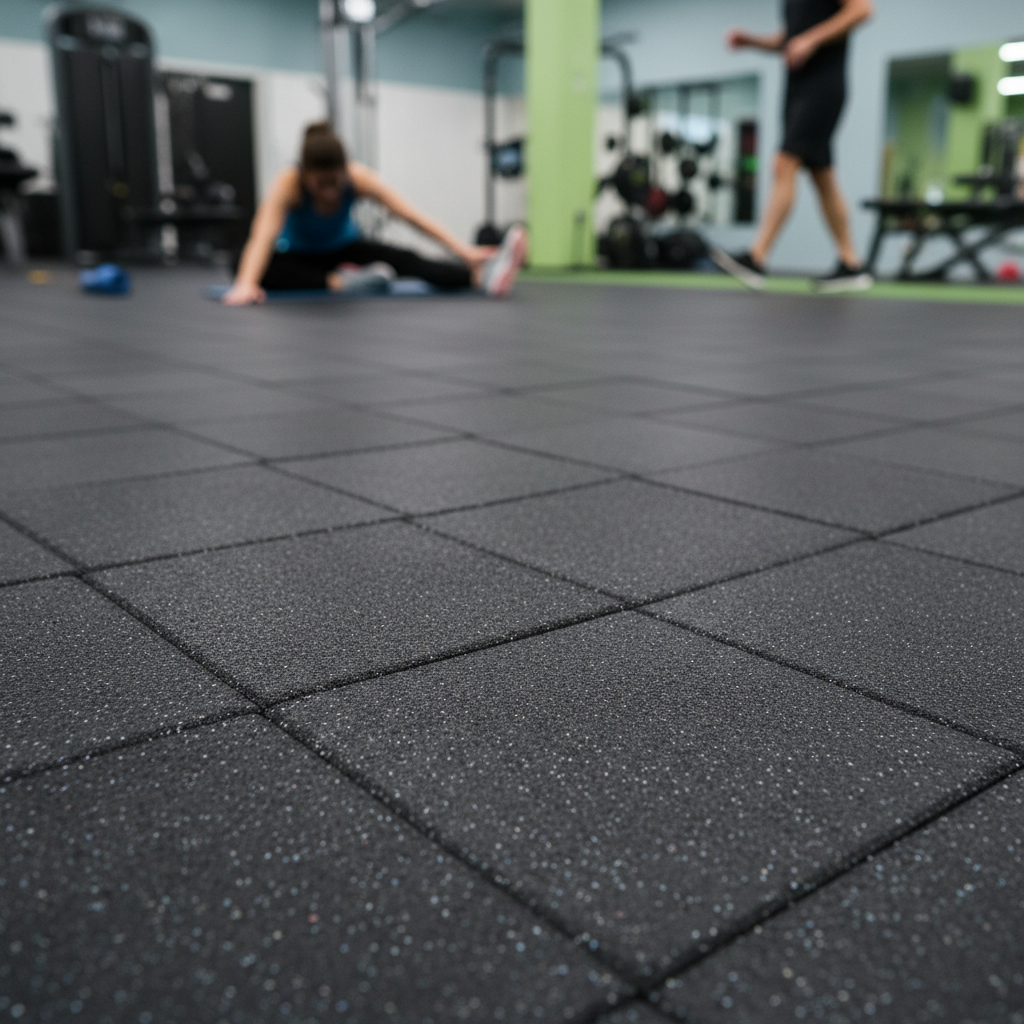
Key Features of Rubber Flooring for Slip Prevention
When it comes to flooring safety, few materials perform as reliably as rubber. Its ability to prevent slips and falls is not due to a single characteristic but rather a combination of inherent properties that work together to create a secure and stable surface. Understanding these features reveals why rubber flooring is a top choice for environments where safety is a primary concern, from bustling commercial kitchens to high-traffic athletic facilities.
Superior Coefficient of Friction (COF)
The single most important factor in preventing slips is the floor's coefficient of friction (COF). This technical term simply measures the amount of grip or resistance between two surfaces—in this case, a person's shoe and the flooring material. Rubber naturally possesses an exceptionally high COF, creating a strong bond that helps footwear stay planted, significantly reducing the chance of an unexpected slide. This property is effective in both dry and, crucially, wet conditions.
Unlike smoother surfaces like polished tile or vinyl, which can become incredibly slick when even a small amount of moisture is introduced, rubber maintains a high level of traction. Its unique molecular structure resists the formation of a thin, lubricating film of water between the shoe and the floor. This means that even in areas prone to spills, moisture, or high humidity, rubber flooring provides a consistent and reliable grip underfoot.
Inherent Water Resistance and Drainage
Rubber is a non-porous material, which means it does not absorb liquids. This water resistance is fundamental to its role in slip prevention. When spills occur on porous surfaces, the liquid can seep into the material, creating a persistently damp and hazardous spot. With rubber, liquids bead up on the surface, making them easy to see and simple to wipe away completely. This quick and effective cleanup prevents moisture from lingering and becoming a long-term slip hazard.
Furthermore, many types of rubber flooring, especially tiles and mats designed for wet areas like pool decks or locker rooms, incorporate design features that actively manage water. These can include perforated designs that allow water to drain through completely or raised patterns with channels that direct moisture away from the main walking surface. This ensures that the top layer, where feet make contact, remains as dry and slip-resistant as possible.
Excellent Shock Absorption and Cushioning
While the primary goal is to prevent a fall from happening, the reality is that accidents can still occur. This is where rubber flooring’s secondary safety benefit comes into play: its remarkable shock-absorbing quality. The natural elasticity of rubber gives the flooring a cushioned effect. If a person does fall, the rubber surface compresses upon impact, absorbing a significant amount of the energy.
This cushioning effect can drastically reduce the severity of injuries. A fall on a hard, unforgiving surface like concrete or ceramic tile can easily lead to serious injuries such as fractures, bruises, or head trauma. The same fall on a rubber floor is much less likely to cause severe harm because the impact is softened. This is precisely why rubber is the standard flooring material for playgrounds, gyms, and increasingly, in healthcare and senior living facilities where fall-related injuries are a major concern.
Diverse Textures and Surface Patterns
To further enhance its natural grip, rubber flooring is often manufactured with textured surfaces. A perfectly smooth surface offers fewer points of contact for a shoe sole, but a textured one increases the surface area and creates more edges to grip. Common patterns include studded (or coin-shaped), diamond plate, and ribbed designs. Each of these textures adds another layer of mechanical grip to the floor's high COF.
These patterns are not just for aesthetics; they serve a functional purpose, particularly in wet or debris-prone environments. The raised elements ensure that the sole of a shoe makes solid contact with the flooring, while the recessed channels provide a space for water, dirt, or small debris to collect, keeping the primary walking surface clearer and safer.