Is a 15kW Solar System with Battery Backup Sufficient for Your Energy Needs?
A 15kW solar system with a battery is a serious powerhouse, but the big question is: can it truly cover all your energy needs? To help you find out, we’re breaking down what a system this size can realistically power, from your daily appliances to keeping the lights on during an outage.
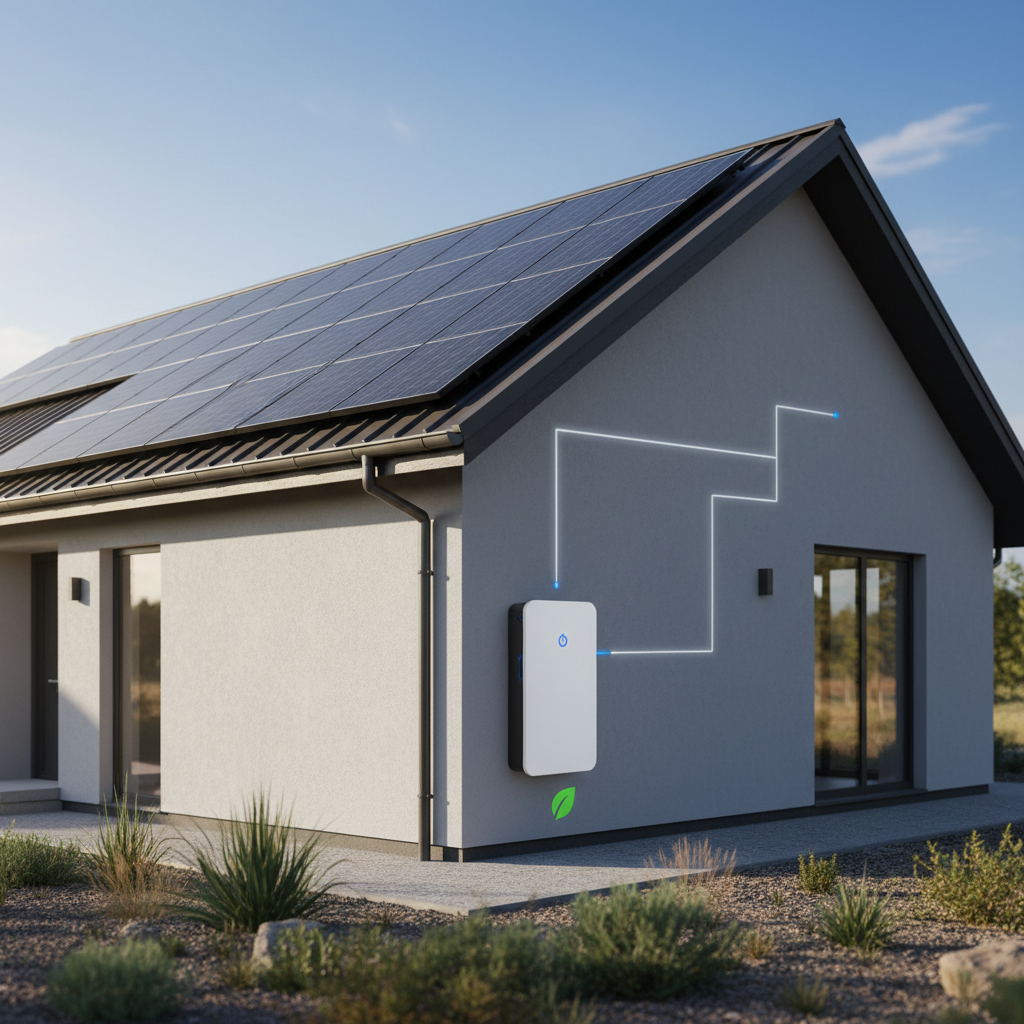
Will A 15kW Solar System With Battery Backup Cover All Your Needs?
Understanding What a 15kW Solar System Can Power
A 15-kilowatt (kW) solar system is considered a very large residential setup, capable of generating a significant amount of electricity. The "15kW" figure refers to the system's peak power output under ideal, standardized test conditions. However, the more practical measure for a homeowner is how many kilowatt-hours (kWh) it produces over a day, as this is how your energy consumption is measured on your utility bill.
The actual daily energy production of a 15kW system varies based on several factors, most notably your geographic location and the time of year. On average, you can expect a 15kW system to produce between 45 to 75 kWh per day. In a sunny location like Arizona or Southern California, you'll be on the higher end of that range. In a less sunny region like the Pacific Northwest or New England, you'll be closer to the lower end.
So, what does that mean in practical terms? A system generating 60 kWh per day can comfortably power a large home with high energy demands. This typically includes:
- Central air conditioning and heating (HVAC systems)
- Multiple refrigerators and a deep freezer
- An electric water heater
- An electric stove and oven
- A pool pump and heater
- Multiple large-screen televisions, computers, and other electronics
- Charging for one or even two electric vehicles (EVs)
For most households, even those with above-average consumption, a 15kW system generates more than enough power to cover daytime energy needs, with plenty of excess electricity left over.
The Critical Role of Battery Backup
Having a 15kW solar panel array is only half the equation if your goal is to cover *all* your needs. Solar panels only generate electricity when the sun is shining. Without a battery, any excess power you produce during the day is sent back to the grid. At night, or during heavily overcast days, you would have to draw power from the grid to keep your home running.
This is where a battery backup becomes essential for energy independence. A solar battery stores the excess energy your panels generate during peak sunlight hours. When the sun goes down, your home seamlessly switches to drawing power from the battery instead of the grid. This allows you to use your own clean, stored energy 24/7.
Furthermore, a battery backup provides invaluable resilience during power outages. When the grid goes down, a home with a solar and battery system can operate independently, keeping the lights on, the refrigerator cold, and essential medical devices running. This ability to "island" from the grid is a primary reason many people invest in a battery alongside their solar panels.
Key Factors That Determine If a 15kW System is Enough for You
While a 15kW system is powerful, whether it's the right size for you isn't a one-size-fits-all answer. It depends entirely on a careful evaluation of your specific circumstances. Here are the most important factors to consider.
Your Household's Daily Energy Consumption
This is the single most important factor. You need to know how much energy you actually use. The best way to find this is by looking at your past utility bills. Your bill will show your monthly usage in kilowatt-hours (kWh). To find your average daily usage, simply divide the monthly kWh by the number of days in that month (usually 30).
For example, if your bill shows you used 1,500 kWh in a 30-day month, your average daily consumption is 50 kWh. In this scenario, a 15kW system that produces an average of 60 kWh per day would likely cover all your needs, with a surplus to store in your battery. However, if your daily usage is closer to 70 kWh, you might find the system struggling to keep up, especially on cloudy days.
Your Geographic Location and Sunlight Exposure
As mentioned earlier, where you live matters immensely. The amount of "peak sun hours" your location receives directly impacts your system's output. A home in Phoenix might get 6-7 peak sun hours per day, while a home in Seattle might only get 3-4, especially in the winter.
Beyond your general location, the specifics of your roof are also crucial. An ideal roof for solar is south-facing with a clear, unobstructed view of the sun throughout the day. If your roof has significant shading from trees or other buildings, or if the panels must be installed on a less-than-ideal east or west-facing roof plane, the system's overall production will be reduced.
Your Lifestyle and Energy Habits
Your daily routines and the appliances you use create your unique energy profile. Do you work from home and run computers and air conditioning all day? Do you have a workshop with power-hungry tools? Do you have multiple electric vehicles that need to be charged nightly? These high-demand activities can significantly increase your energy consumption.
Conversely, if you are mindful of your energy use—using energy-efficient appliances, turning off lights, and programming your thermostat—you can make your generated solar power go much further. Understanding your own habits is key to correctly sizing your system.
The Size and Efficiency of Your Battery Backup
A powerful 15kW solar array is not fully effective without a properly sized battery. The battery's capacity, also measured in kWh, determines how much energy you can store. If your home uses 20 kWh of energy overnight and your battery can only store 10 kWh, you will inevitably have to pull power from the grid before the sun rises.
To achieve true energy independence and full coverage, your battery system must be large enough to store sufficient excess solar energy to power your home through the night and potentially through one or two cloudy days. A common approach is to size the battery to match your average overnight or daily energy consumption, but a detailed energy audit can provide a more precise recommendation.
The Evolution of Residential Solar: From Grid-Tied to Energy Independence
The concept of residential solar has undergone a significant transformation over the last few decades. In the early days, solar panel systems were primarily "grid-tied" without any energy storage. The main goal was financial: to reduce your monthly electricity bill. Homeowners would use the solar power they generated during the day, and any excess was sold back to the utility company, often through a program called net metering. At night, they would simply buy power back from the grid.
While this model was effective at lowering costs, it offered no protection against power outages. If the grid went down, the solar system was required by law to shut down as well to protect utility workers from an energized line. This meant that even on a sunny day during an outage, a solar-only homeowner was left in the dark. The focus was on savings, not on resilience or independence.
The recent advancements and cost reductions in lithium-ion battery technology have changed the game completely. The modern goal for many homeowners is not just to save money but to achieve a level of energy independence. The combination of solar panels and battery storage allows a home to function as its own microgrid. It creates a self-sufficient ecosystem where energy is generated, stored, and consumed on-site. This shift moves the homeowner from being a passive consumer of electricity to an active manager of their own energy resources, providing both financial benefits and the peace of mind that comes with reliable power.
Answering Your Top Questions About Large Solar Systems
When considering a system as substantial as 15kW, many practical questions arise. Here are answers to some of the most common ones.
How Much Roof Space is Needed for a 15kW System?
The physical footprint of a 15kW solar system is significant. The exact amount of space depends on the efficiency of the solar panels you choose. Modern, high-efficiency panels can produce more power in a smaller area. As a general rule of thumb, you can estimate needing about 100 square feet of roof space for every 1 kW of solar capacity.
Therefore, for a 15kW system, you would need approximately 1,500 square feet of suitable, unobstructed roof space. It's important that this space is free from shading and ideally oriented towards the south to maximize sun exposure and energy production throughout the day.
What's the Typical Cost of a 15kW Solar System with Battery?
The cost of a solar installation can vary dramatically based on several factors, including your location, the quality of the equipment (panels, inverters, and batteries), and the complexity of the installation. Labor costs can also differ from one region to another. Before any federal, state, or local incentives are applied, a 15kW solar system can be a substantial investment.
Adding a battery system will increase the total cost. The price of the battery depends on its capacity (kWh) and brand. It is crucial to research available incentives, such as the federal solar tax credit, which can significantly reduce the overall net cost of the project. Because prices are so variable, obtaining multiple quotes from reputable local installers is the best way to get an accurate picture of the cost in your specific area.
Can a 15kW System Power an Electric Vehicle?
Absolutely. A 15kW system is an excellent choice for households with one or more electric vehicles. The average EV uses about 30 kWh to travel 100 miles. If you drive an average of 40 miles per day, you would need around 12 kWh to recharge your vehicle. A 15kW system producing 45-75 kWh per day can easily handle this additional load.
By pairing your EV charger with your solar and battery system, you can effectively power your transportation with sunlight. Many modern EV chargers and solar systems can be programmed to use only excess solar power for charging, ensuring you are using your own clean energy first. This not only reduces your carbon footprint but also insulates you from the rising and volatile costs of gasoline and grid electricity.
Additional Resources
- U.S. Department of Energy - Homeowner's Guide to Going Solar
- Solar Energy Industries Association (SEIA) - Consumer Guide
Conclusion
A 15kW solar system with an appropriately sized battery backup is a powerful setup capable of meeting the entire energy needs of most large, modern homes. It can run everything from central air conditioning to electric vehicle chargers, all while providing a reliable source of power during grid outages. However, its ability to cover *all* of your needs is not guaranteed. The ultimate answer depends on a personal and thorough analysis of your daily energy consumption, your geographic location, your lifestyle, and the capacity of your chosen battery. By carefully evaluating these factors, you can determine if this robust system is the right fit for your journey toward energy independence.