Is Vitamin B12 Supplementation Right for You? Discover Who Could Benefit
If you're wondering whether a Vitamin B12 supplement is right for you, you've landed in the right spot. While B12 is crucial for energy and brain health, not everyone needs to supplement.
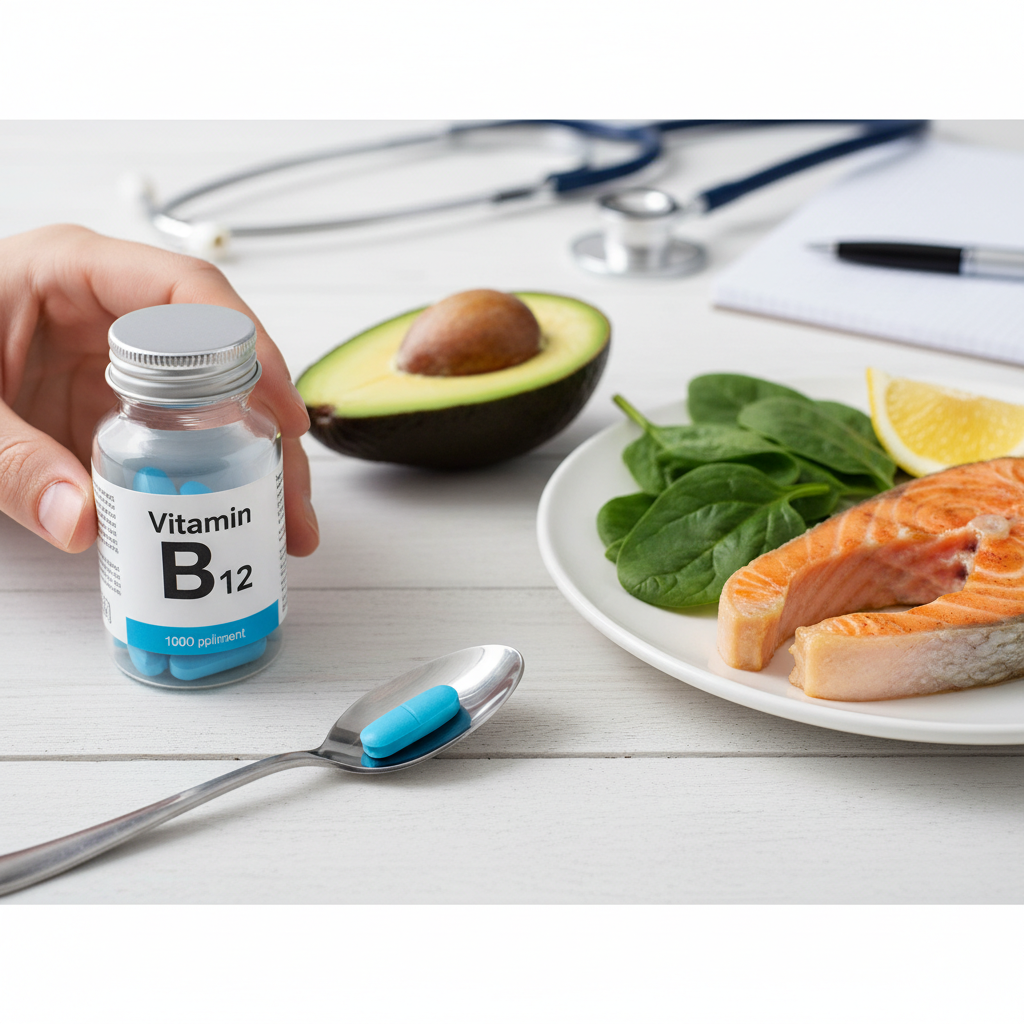
Key Groups Who May Benefit from Vitamin B12 Supplements
Vitamin B12 is a crucial nutrient that plays a vital role in nerve function, the formation of red blood cells, and DNA synthesis. While many people get enough B12 from their diet, certain populations are at a higher risk of deficiency and may need to consider supplementation. Understanding if you fall into one of these groups is the first step toward ensuring your body has what it needs to thrive.
1. Older Adults
As we age, our bodies can undergo changes that affect nutrient absorption. One of the most common issues in older adults is a decrease in the production of stomach acid. This acid is essential for separating vitamin B12 from the protein it's attached to in food. Without sufficient acid, the vitamin cannot be properly absorbed, leading to a deficiency even if their dietary intake is adequate. This condition, known as atrophic gastritis, affects a significant portion of the population over 50.
For this reason, older adults are often advised to get their vitamin B12 from fortified foods or supplements. In these forms, the B12 is already in its free, unbound state and doesn't require stomach acid for initial separation, making it much easier for the body to absorb. Regular monitoring and supplementation can help prevent the neurological and cognitive symptoms associated with B12 deficiency in this age group.
2. Vegans and Strict Vegetarians
Vitamin B12 is found almost exclusively in animal products, including meat, fish, poultry, eggs, and dairy. This means that individuals who follow a strict vegan diet, and some vegetarians who consume very limited amounts of eggs and dairy, are at a very high risk of developing a B12 deficiency. Plant-based foods do not naturally contain vitamin B12, and so-called sources like seaweed or fermented soy have been shown to contain B12 analogues that are not active in the human body.
Therefore, for anyone on a long-term vegan or strict vegetarian diet, supplementation is not just a suggestion but a necessity. The most reliable way to prevent a deficiency is by taking a regular B12 supplement or consistently consuming B12-fortified foods, such as certain plant milks, soy products, and breakfast cereals. Consulting with a healthcare provider can help determine the appropriate dosage to maintain healthy levels.
3. Individuals with Gastrointestinal Conditions
Certain medical conditions that affect the digestive system can severely impair the body's ability to absorb vitamin B12. Conditions like Crohn's disease and celiac disease cause inflammation in the gut, which can damage the parts of the small intestine, particularly the ileum, where B12 absorption occurs. If this area is compromised, nutrient absorption becomes inefficient, regardless of how much B12 is consumed.
People with these conditions often require higher doses of B12, sometimes administered through injections or high-dose oral supplements, to bypass the compromised absorption pathways. Regular blood tests are crucial for monitoring B12 levels and ensuring that supplementation is effectively preventing a deficiency and its associated health problems.
4. People Who Have Had Gastrointestinal Surgeries
Surgical procedures that involve removing or bypassing parts of the stomach or small intestine can lead to a significant reduction in B12 absorption. For example, weight-loss surgeries like a gastrectomy or gastric bypass remove the portion of the stomach that produces intrinsic factor—a protein that is essential for binding to B12 so it can be absorbed later in the small intestine. Without intrinsic factor, B12 absorption from food is virtually impossible.
Patients who have undergone these types of surgeries require lifelong B12 supplementation. Depending on the specific procedure, they may need to take very high-dose oral supplements, sublingual (under the tongue) forms, or receive regular B12 injections to maintain adequate levels and prevent the severe neurological complications of a long-term deficiency.
5. Individuals Taking Certain Medications
Long-term use of some common medications can interfere with vitamin B12 absorption. One of the most well-known examples is metformin, a drug frequently prescribed to manage type 2 diabetes. Studies have shown that metformin can reduce the absorption of B12 from the gut over time. Similarly, proton pump inhibitors (PPIs) and H2 blockers, which are used to treat acid reflux and peptic ulcers, reduce stomach acid production. As mentioned with older adults, low stomach acid prevents B12 from being separated from food protein, thus hindering its absorption.
If you are taking these medications on a long-term basis, it is important to discuss vitamin B12 monitoring with your doctor. They may recommend regular blood tests and suggest a supplement to counteract the medication's effect on your B12 levels, ensuring you don't develop a deficiency while managing your other health conditions.
6. People with Pernicious Anemia
Pernicious anemia is an autoimmune condition where the body's immune system mistakenly attacks the cells in the stomach that produce intrinsic factor. As explained earlier, intrinsic factor is non-negotiable for the absorption of vitamin B12 from the diet. Without it, the body cannot absorb B12, leading to a severe deficiency that causes anemia (a low red blood cell count) and significant neurological problems if left untreated.
This condition is not caused by a lack of B12 in the diet but by an absorption problem. Therefore, standard oral supplements are often ineffective. The primary treatment for pernicious anemia is lifelong vitamin B12 injections, which bypass the digestive system entirely and deliver the vitamin directly into the bloodstream. This ensures that the body gets the B12 it needs to function properly.
Understanding the Role of Vitamin B12 in Your Body
Vitamin B12, also known as cobalamin, is a water-soluble vitamin that is fundamental to several of the body's most important processes. Unlike many other vitamins, B12 is not something the body can produce on its own; it must be obtained from food or supplements. Its molecular structure is complex and contains the mineral cobalt, which is where the name "cobalamin" originates.
One of its most critical functions is in the development and maintenance of a healthy nervous system. B12 helps produce myelin, a fatty substance that forms a protective sheath around nerves. This myelin sheath allows nerve impulses to travel quickly and efficiently. A deficiency can lead to the breakdown of this sheath, causing a wide range of neurological symptoms, from numbness and tingling in the hands and feet to difficulty with balance and memory problems.
Furthermore, vitamin B12 works closely with another B vitamin, folate (B9), to help make red blood cells and to help iron work better in the body. Without enough B12, the production of red blood cells is impaired. The cells can become unusually large and misshapen (a condition called megaloblastic anemia), making them less effective at carrying oxygen throughout the body. This is what leads to the profound fatigue and weakness associated with B12 deficiency. It is also essential for DNA synthesis, the process of creating new genetic material in every cell, which is crucial for growth and repair.
Frequently Asked Questions About Vitamin B12
What are the common symptoms of a Vitamin B12 deficiency?
Symptoms of a vitamin B12 deficiency can be wide-ranging and often develop slowly over time, which can make them easy to overlook. Early on, the most common signs are fatigue, weakness, and lightheadedness. Because B12 is vital for red blood cell production, a deficiency can lead to anemia, which often presents with pale or jaundiced skin, shortness of breath, and a rapid heartbeat. These symptoms occur because the body isn't getting enough oxygen-rich blood.
As a deficiency progresses, neurological symptoms often appear. These can include a tingling or "pins and needles" sensation in the hands and feet, difficulty with balance and walking, and muscle weakness. Cognitive issues are also common, such as memory loss, confusion, and difficulty concentrating. In severe cases, it can lead to more serious neurological problems, including depression, paranoia, and dementia-like symptoms. Because these nerve-related symptoms can become irreversible if left untreated, it's crucial to identify and address a deficiency early.
How can I get more Vitamin B12 from food?
The best natural sources of vitamin B12 are animal-based products. If your diet includes these foods, you can increase your intake by focusing on items with the highest concentrations. Clams and beef liver are two of the richest sources available. Other excellent options include fatty fish like trout, salmon, and tuna, as well as other meats like beef and poultry. Dairy products such as milk, yogurt, and cheese, along with eggs, also provide a good amount of B12.
For those following a plant-based diet, obtaining B12 from natural food sources is not a reliable option. In this case, fortified foods are the key. Many products are now fortified with B12 to help vegans and vegetarians meet their needs. Common examples include fortified nutritional yeast (which has a cheesy, nutty flavor and can be sprinkled on many dishes), fortified plant-based milks (like soy, almond, or oat milk), certain breakfast cereals, and some meat substitutes. It's important to check the nutrition labels to ensure the product is indeed fortified with vitamin B12.
What's the difference between B12 shots and oral supplements?
The primary difference between vitamin B12 injections (shots) and oral supplements (pills or liquids) lies in their method of absorption. Oral supplements must pass through the digestive system. For them to be absorbed, the stomach needs to produce enough acid to separate B12 from protein and enough intrinsic factor to bind with it for absorption in the small intestine. This makes oral supplements effective for people whose deficiency is caused by inadequate dietary intake, such as vegans.
B12 shots, on the other hand, are administered intramuscularly, meaning the vitamin is injected directly into a muscle. This method completely bypasses the digestive system and delivers B12 straight into the bloodstream. This makes injections the necessary choice for individuals with absorption issues, such as those with pernicious anemia, Crohn's disease, or who have had gastric bypass surgery. For these individuals, oral supplements would be ineffective because their digestive system cannot properly process and absorb the vitamin, no matter how high the dose.
Final Thoughts on Vitamin B12 Supplementation
Vitamin B12 is an essential nutrient, and ensuring you have adequate levels is critical for long-term health, particularly for nerve function and energy production. While many people can meet their needs through diet alone, several specific groups—including older adults, vegans, and those with certain medical conditions—are at a significantly higher risk of deficiency. For these individuals, supplementation is often a necessary and effective way to maintain health.
If you suspect you may have a deficiency or fall into one of the at-risk categories, the most important step is to speak with a healthcare provider. They can perform a simple blood test to check your B12 levels and recommend the appropriate form and dosage of supplementation for your specific needs.