Keep Moving While You Work: Essential Insights on Under Desk Exercise Bikes
Thinking about an under-desk bike to stay active while you work? It's a great idea, but choosing the right one involves more than you might think.
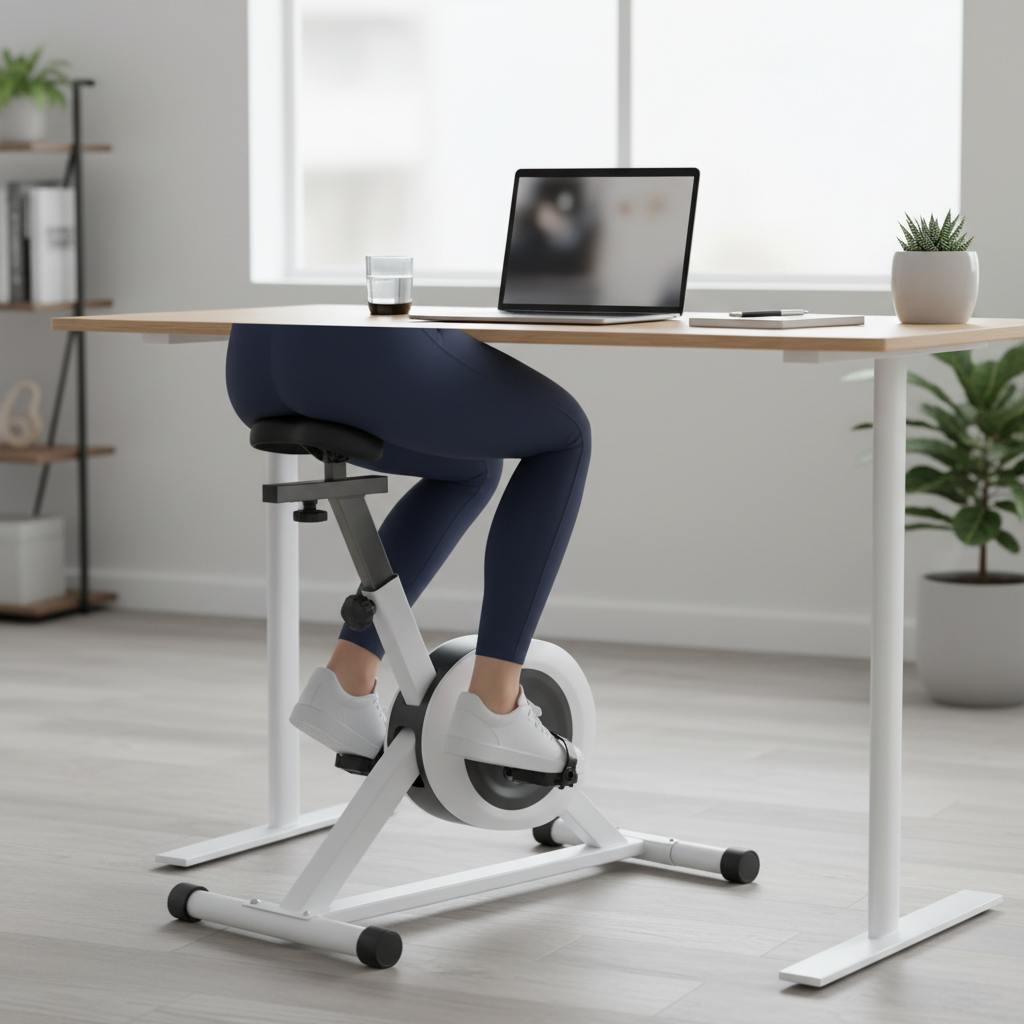
Under Desk Exercise Bikes: What You Should Know
Key Features to Look For in an Under Desk Bike
When exploring the world of under desk exercise bikes, also known as pedal exercisers or mini exercise bikes, it's easy to assume they are all the same. However, several key features differentiate them and can significantly impact your user experience. Understanding these will help you recognize what makes a quality device.
Resistance Mechanism
The resistance is what provides the challenge in your workout. There are two primary types: friction and magnetic. Friction resistance often uses a knob that tightens a strap around the flywheel, creating physical friction to make pedaling harder. This method is typically found on more budget-friendly models. While effective, it can sometimes be less smooth and may produce more noise over time.
Magnetic resistance, on the other hand, uses magnets to create tension without physical contact. This results in a much smoother, quieter, and more consistent pedaling motion. Most modern and mid-range to high-end models use magnetic resistance because it's virtually silent—a crucial feature for an office environment. These models usually offer multiple, distinct levels of resistance that you can select electronically or with a dial.
Digital Monitor and Connectivity
Nearly all under desk bikes come with a small LCD monitor that tracks basic metrics. Common readouts include time, distance, speed, and calories burned. This immediate feedback can be highly motivating, allowing you to set small goals throughout your workday. Some monitors are attached to the unit, while others come with a small stand so you can place them on your desk for easy viewing.
More advanced models are now incorporating Bluetooth connectivity. This allows the device to sync with fitness apps on your smartphone or tablet. By tracking your progress over time, you can get a clearer picture of your activity levels, set long-term goals, and even participate in guided workouts or virtual rides, making the experience more engaging.
Stability and Design
A wobbly or sliding bike is a major distraction. Look for models with a low center of gravity and a wide base to ensure stability. Non-slip rubber feet are essential to keep the unit firmly in place on both carpet and hard floors. Some models even come with a strap that can be used to tether the bike to your office chair, providing an extra layer of security.
The design also plays a role in usability. A low profile is critical to ensure your knees don’t bump against the underside of your desk while you pedal. Before considering a model, measure the distance from the floor to the bottom of your desk to ensure you have adequate clearance.
The Primary Benefits of Integrating an Under Desk Cycle
The appeal of an under desk bike goes far beyond simply burning a few extra calories. It introduces a form of low-impact, consistent movement into a typically sedentary part of your day, leading to a host of physical and mental benefits.
- Increased Calorie Burn: While it won't replace a high-intensity gym session, consistent pedaling throughout the day adds up. This gentle, sustained activity boosts your overall energy expenditure, which can contribute to weight management over time. It transforms idle time into productive, active time without ever leaving your chair.
- Improved Circulation and Joint Health: Sitting for prolonged periods can lead to poor circulation in your lower extremities. The continuous motion of pedaling stimulates blood flow, which can help reduce the risk of swelling and stiffness. As a low-impact activity, it’s also gentle on the joints, making it an excellent option for individuals with knee or ankle concerns.
- Enhanced Focus and Productivity: Physical activity, even at a low intensity, is known to boost brain function. The movement can increase blood flow to the brain, improving alertness, creativity, and concentration. Many users report that the rhythmic motion helps them manage stress and stay more engaged with their tasks, combating the dreaded afternoon slump.
- Better Mood and Reduced Stress: Exercise is a natural mood booster due to the release of endorphins. Gentle pedaling can provide a subtle but effective outlet for nervous energy and work-related stress, helping you maintain a more positive and balanced mindset throughout the day.
The Evolution of Workplace Wellness and Active Sitting
The concept of "active sitting" is a relatively new response to a modern problem: the overwhelmingly sedentary nature of office work. For decades, the focus of office ergonomics was on passive support—chairs with better lumbar support, monitor stands to correct neck posture, and ergonomic keyboards to prevent wrist strain. While beneficial, these solutions still centered around sitting still for eight hours a day. The under desk exercise bike emerged from a fundamental shift in thinking about workplace health.
In the early 2000s, a growing body of research began highlighting the serious health risks associated with prolonged sitting, coining phrases like "sitting is the new smoking." Studies linked sedentary behavior to increased risks of obesity, type 2 diabetes, cardiovascular disease, and even certain types of cancer. This prompted a search for solutions that went beyond just comfortable chairs. The first wave of active office equipment included standing desks and treadmill desks. While effective, these options required significant changes to an office setup and weren't always practical for every individual or workspace.
The under desk bike and its cousin, the under desk elliptical, offered a more accessible and less disruptive alternative. They allowed employees to introduce movement without having to stand or dramatically alter their workstation. These devices represent a move from passive ergonomics to active ergonomics—the idea that the healthiest posture is a constantly changing one. They are designed to integrate seamlessly into an existing workflow, turning mindless foot-tapping into productive, health-boosting activity. This evolution reflects a broader understanding that wellness at work isn't just about preventing injury, but about actively promoting health and vitality.
Common Questions About Under Desk Bikes
Can You Actually Lose Weight with an Under Desk Bike?
This is one of the most frequently asked questions, and the answer is nuanced. An under desk bike alone is not a magic bullet for significant weight loss. Weight management is primarily a function of overall calorie balance—calories consumed versus calories burned. Pedaling at a leisurely pace while you work might burn an extra 100-200 calories per hour, depending on the resistance and your personal metabolism. While this may not seem like much, it can add up significantly over weeks and months.
Think of it as a supplemental tool in a larger wellness strategy. When combined with a healthy diet, regular moderate-to-high intensity exercise outside of work, and other healthy habits, the extra calories burned can certainly contribute to a calorie deficit and support weight loss goals. Its biggest strength is consistency. Burning an extra 500 calories during a workday is far easier and more sustainable with a pedal exerciser than trying to fit in an extra gym session. It helps tip the scale in your favor by increasing your total daily energy expenditure without requiring dedicated time or effort.
Under Desk Ellipticals vs. Under Desk Bikes: What's the Difference?
While often grouped together, under desk ellipticals and bikes offer slightly different user experiences. The primary difference lies in the motion. An under desk bike provides a circular, cycling motion, just like a traditional bicycle. This primarily engages the quads, hamstrings, and glutes. It’s a very familiar and straightforward movement for most people.
An under desk elliptical, by contrast, guides your feet through a smoother, gliding, ovoid path. This motion tends to be even lower impact than cycling and can feel more natural for some users. Because the movement is less vertical, there is often a lower risk of knees hitting the desk, making ellipticals a good choice for those with lower desks or longer legs. The elliptical motion also tends to engage the calf and glute muscles slightly more than a standard pedal exerciser. Ultimately, the choice between the two often comes down to personal preference and which motion feels more comfortable and less distracting to you.
How Do You Set Up Your Space for Optimal Use?
Proper setup is key to making your under desk bike a seamless part of your routine rather than a clumsy obstacle. First, address your chair. A stationary chair is ideal. If you have a chair with wheels, make sure it’s stable. Some bike models include a tether to attach to the chair, preventing you from pushing yourself away as you pedal. Your posture is also crucial. Sit up straight with your feet flat on the pedals, and adjust your chair height so your knees are bent at a comfortable angle—not too extended and not too cramped.
Next, ensure you have enough knee clearance. As mentioned earlier, measure the space under your desk. You need a few inches of buffer between your knees at the top of the pedal stroke and the bottom of your desk. If it’s a tight fit, you might consider a model with a lower profile or an under desk elliptical. Finally, start slowly. Begin with a low resistance setting for 15-20 minutes at a time to get used to the motion of pedaling while typing or focusing on a task. As you get more comfortable, you can gradually increase the duration and resistance level.
Conclusion
Under desk exercise bikes offer a practical and effective way to combat the negative effects of a sedentary work life. By integrating low-impact movement directly into your daily routine, they help improve circulation, burn extra calories, and even boost mental focus without disrupting your workflow. While not a replacement for traditional exercise, they are a powerful tool for enhancing overall wellness. Understanding the key features, such as resistance type and stability, and knowing how to properly set up your space can transform idle desk time into a productive, health-conscious activity.