Making Smart Decisions: Should You Lease or Buy Heavy Manufacturing Machinery?
Exploring whether it's more financially sound to lease or buy heavy manufacturing machinery can be complex. Each option presents unique advantages depending on business needs and financial goals.
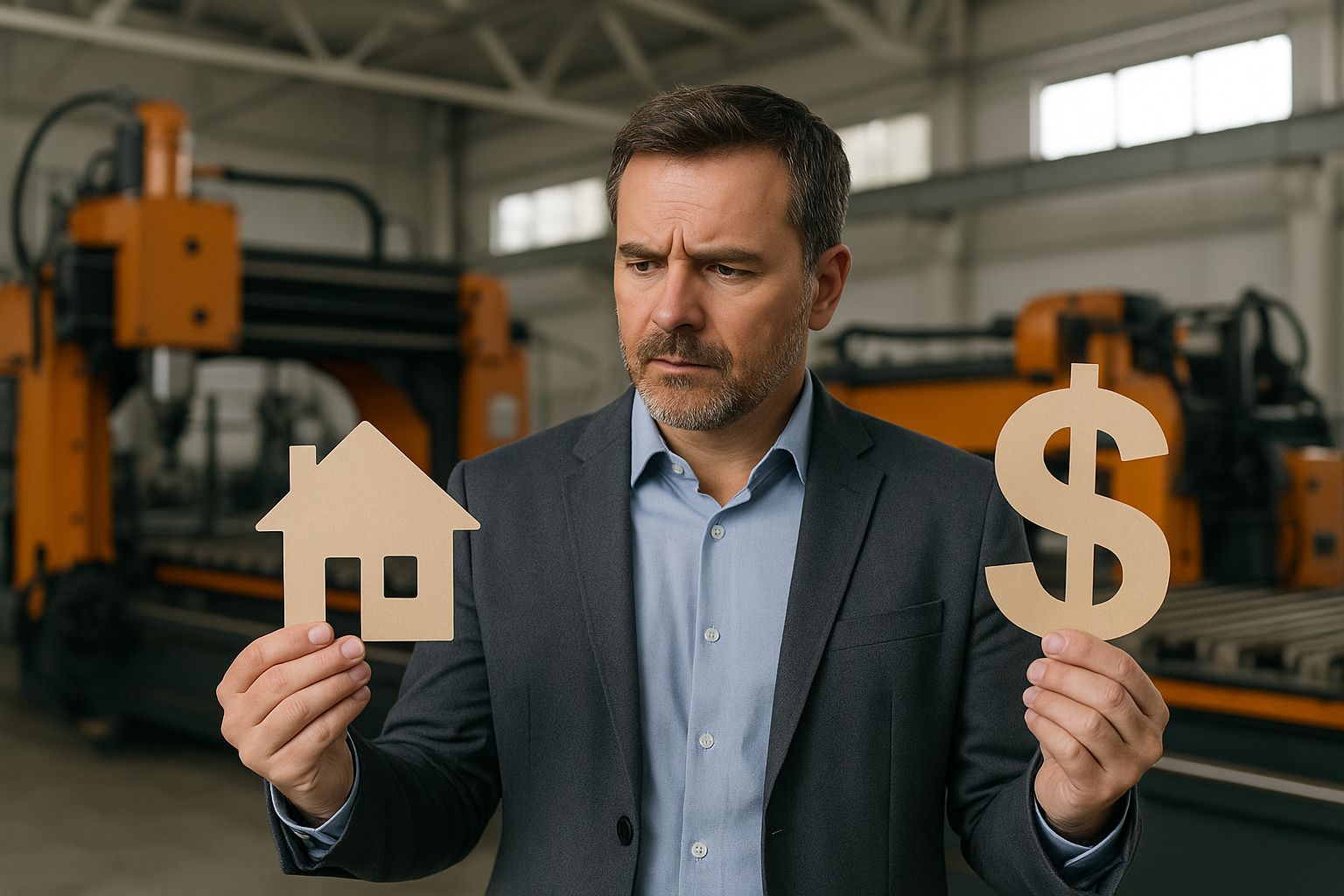
Factors to Consider: Leasing vs. Buying Heavy Manufacturing Machinery
The decision to lease or buy heavy manufacturing machinery can significantly impact a company's financial health, operational efficiency, and competitive advantage. Understanding the factors that drive this choice is crucial. Here’s a closer look at what companies should evaluate when deciding between leasing and buying.
Initial Outlay and Cash Flow Implications
Purchasing machinery requires a significant upfront investment which can impact a company's cash flow. On the other hand, leasing often requires lower initial payments, preserving cash flow for other operational needs. According to a report by the Equipment Leasing and Finance Association, approximately 80% of U.S. companies finance their equipment through leasing due to the reduced initial financial burden.
Tax Considerations
Both leasing and buying have distinct tax implications. Ownership often allows for capital depreciation over time, which can be beneficial for long-term tax strategies. However, lease payments are often considered operating expenses, providing immediate tax benefits. In 2026, tax codes are continuously evolving, and it's crucial to consult with a tax professional to understand the most current benefits.
Technological Obsolescence
In industries where technology rapidly advances, leasing may provide an edge. Leasing offers the flexibility to upgrade machinery as newer models become available, ensuring that the company remains competitive. Conversely, buying equipment ties a company to a particular technology until the asset is sold or disposed of.
Equipment Usage and Duration
The expected duration and intensity of equipment use are key considerations. If the machinery is vital for core operations and has a long useful life, buying could prove more cost-effective over time. Conversely, if equipment needs are short-term or project-based, leasing might be the better option.
- Short-term Projects: Leasing allows businesses to match the lease term with the project duration, avoiding excess costs.
- Long-term Use: Purchasing can reduce long-term costs, particularly if the equipment does not become obsolete quickly.
Cost Comparison: Leasing vs. Buying
Conducting a thorough cost analysis is fundamental to making an informed decision. This includes not only the initial costs but also maintenance, insurance, and resale value. Let's explore these in detail.
Maintenance and Repair
Lease agreements often include maintenance and repair services, which can reduce unplanned expenditures. Owning machinery, however, shifts the responsibility for maintenance and potential downtime to the owner. Calculating the total cost of ownership (TCO) is vital when buying equipment.
Insurance and Liability
Leasing may provide simpler insurance arrangements, often integrated into the lease contract, which can be an added advantage. When purchasing, the company needs to secure its insurance, potentially increasing costs and administrative burdens.
Resale Value
One must consider the asset’s depreciation and residual value when buying. Machinery often depreciates quickly, and its resale value can be uncertain. Leasing bypasses these depreciation issues, although businesses miss out on potential resale profits.
Real-World Examples
Let’s consider a few practical examples to better understand these concepts:
- Manufacturing Company A: Opted to buy due to steady, predictable production needs and long machinery life-cycles. They benefited from depreciation tax deductions over several years.
- Construction Firm B: Chose leasing to accommodate project-based machinery needs, enabling them to upgrade technology as new models improved efficiency and safety standards.
- Food Production Plant C: Initially leased to manage cash flow better and subsequently purchased machinery that proved indispensable to core processes.
Conclusion
The decision to lease or buy heavy manufacturing machinery is multi-faceted, requiring careful evaluation of financial health, operational needs, and industry dynamics. By understanding the pros and cons of each option, companies can align their choices with strategic goals, ensuring long-term success.
Consulting with financial experts and industry peers, as well as keeping an eye on industry trends and tax implications, can further assist in making the most financially sound decision. For more in-depth guidance, resources like the Equipment Leasing and Finance Association and Bureau of Labor Statistics provide valuable insights.