Master the Art of Cat Grooming: Essential Tips for Every Feline Friend
Discover effective and gentle ways to enhance your cat's grooming experience. Whether you're a seasoned pet owner or new to feline care, our helpful tips on cat grooming are tailored to make the process enjoyable for both you and your pet.
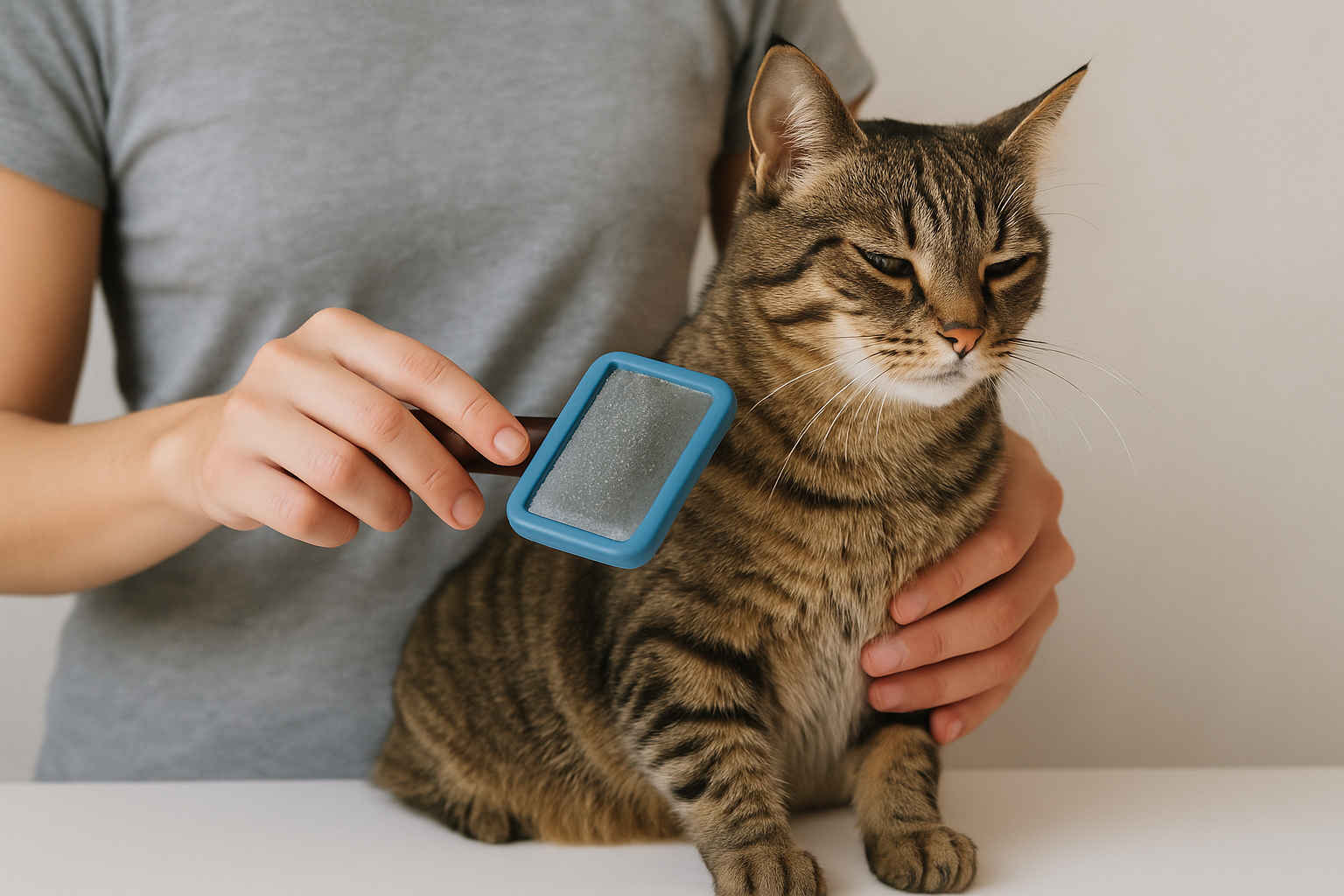
Understanding the Importance of Cat Grooming
Cats are notoriously known for their grooming habits, spending a significant portion of their day cleaning themselves. However, regular and proper grooming by their human counterparts is essential for maintaining their health and well-being. Grooming helps prevent hairballs, keeps their coat healthy, and offers an opportunity to check for any underlying health issues.
According to recent studies in 2026, regular grooming can enhance the bond between a pet owner and their cat, reducing stress and anxiety in the animal. Not only does grooming maintain the cat's aesthetics, but it also fortifies its physical and mental health.
Key Grooming Tools
Brushes and Combs
The right grooming tools can make a significant difference in the grooming routine. Cat owners should choose between brushes and combs depending on their cat's hair length and type. For example:
- Short-haired cats may benefit from a bristle brush that gently removes loose hairs and stimulates the skin.
- Long-haired cats, like Persians, often require a combination of a slicker brush to untangle knots and a wide-tooth comb for thorough grooming.
Regular brushing not only reduces shedding and hairballs but also helps distribute natural oils throughout the cat's coat.
Nail Clippers
Trimming your cat's nails is crucial to prevent discomfort and overgrowth that can lead to infections. Use clippers specifically designed for cats, keeping them sharp and clean. Cats generally need their nails trimmed every 1-2 weeks, but frequency may vary depending on their lifestyle and age.
Shampoo and Conditioners
While cats typically do not require frequent baths, there are instances where a bath might be necessary, such as when dealing with fleas or specific skin conditions. Always use pet-specific shampoos and conditioners that are gentle on your cat’s skin and fur.
The Grooming Process
Brushing Your Cat
Consistency is key when it comes to brushing your cat. Incorporating it into your routine helps keep your cat’s coat in prime condition and provides an opportunity to bond. Here's a simple process to follow:
- Start by gently petting your cat to create a calm environment.
- Use a slicker brush or comb to begin grooming, making sure to go with the grain of your cat’s fur.
- Pay close attention to areas where mats are common, such as behind the ears and under the legs.
- Reward your cat with treats and praise to keep the experience positive.
Regular grooming sessions should last a few minutes each time, increasing the duration gradually to suit your cat's comfort level.
Trimming Nails
Trimming nails can be challenging but is essential for your cat’s health. Follow these simple steps:
- Choose a calm moment and ensure your cat is relaxed, ideally after a meal or play session.
- Hold your cat comfortably, pressing gently on their paw to extend the nail.
- Cut the nail just above the pink area called the ‘quick’, where blood vessels are present, to prevent pain or bleeding.
- In case of accidental cuts, use a styptic powder to stop the bleeding.
Practice makes perfect, and patience is key. Frequent short sessions are preferable to long, hectic ones.
Addressing Skin and Coat Issues
Occasionally, cats can experience skin and coat issues that require attention during grooming sessions:
- Flea Infestations: Regular grooming and monthly flea prevention treatments are advised. Check with your vet for suitable products specifically designed for cats.
- Allergies: Identifying and managing allergies can prevent excessive scratching and related skin issues. Allergy treatments should be guided by a vet.
- Mats and Tangles: Persistent mats should be tackled gently with a detangler or by a professional groomer to avoid skin irritation.
Keeping a close watch on changes in your cat's skin and coat health can lead to early detection of health problems, thus fostering a proactive approach to their well-being.
When to Seek Professional Grooming Help
While at-home grooming is beneficial, there are times when professional grooming might be necessary:
- Severe matting: Professional groomers have the tools and experience to safely remove serious mats without hurting your cat.
- Skin infections: If you notice skin issues such as redness, sores, or the presence of parasites, consulting a vet or professional groomer ensures appropriate management.
- Breed-specific grooming: Certain breeds require specialized grooming techniques that are best left to professionals.
Don't hesitate to seek professional assistance to ensure your cat's grooming needs are effectively met.
Helpful Tips on Cat Grooming
Proper grooming is essential for maintaining the health and comfort of your domestic cat, even though cats naturally clean themselves. Regular brushing helps remove loose fur, reduces shedding, and minimizes the risk of hairballs—especially in long-haired breeds. Using the right tools, such as a soft-bristle brush or a slicker brush, ensures that the coat stays smooth and free from tangles while also distributing natural oils that keep the fur shiny and healthy. In addition to brushing, routine nail trimming prevents overgrowth and discomfort, while occasional bathing with cat-specific products can help manage dirt, allergens, or parasites when necessary.
Consistent grooming sessions also provide an opportunity to monitor your cat’s overall health. While grooming, check for signs of skin irritation, fleas, lumps, or unusual hair loss, as these can indicate underlying health issues that may require veterinary attention. Keeping sessions short and calm, along with offering treats or praise, helps reduce stress and builds trust between you and your pet. By following these simple, vet-recommended grooming practices, cat owners can support both the physical well-being and emotional comfort of their feline companions.
Conclusion
Grooming is a vital part of feline care that should not be overlooked. It enhances your cat’s health, appearance, and emotional well-being while strengthening the bond between you and your pet. With proper tools, techniques, and a little bit of patience, grooming can be a rewarding routine for both owner and cat. For more detailed advice, always consult with a veterinarian or a professional groomer.
For more information on cat grooming, consider visiting reliable sources such as the ASPCA or the American Veterinary Medical Association (AVMA).