Mastering Your Medication Schedule: Effective Strategies for Spacing Carbidopa-Levodopa Doses
Unlock the full potential of your Parkinson's treatment with our guide to spacing Carbidopa-Levodopa doses effectively. Discover strategies to optimize timing and enhance medication efficacy without overpromising results.
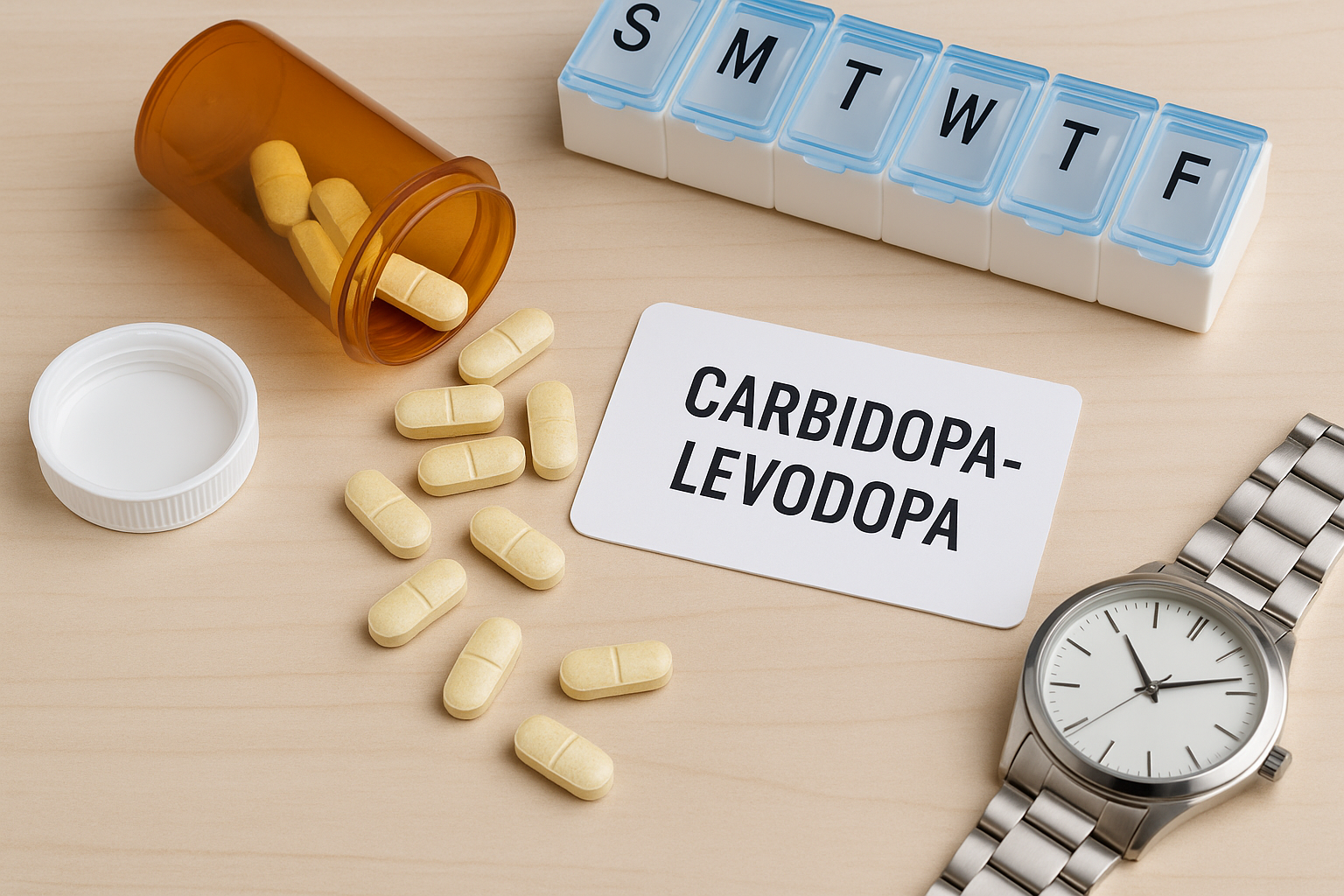
Understanding Carbidopa-Levodopa: An Essential Medication for Parkinson's Disease
Carbidopa-Levodopa is a medication commonly prescribed for managing symptoms of Parkinson's Disease (PD). It is a combination drug; Levodopa converts to dopamine in the brain, a neurotransmitter that decreases in Parkinson’s Disease, while Carbidopa helps prevent Levodopa from breaking down before it reaches the brain. Proper dosing and timing are crucial to maximize effectiveness and minimize side effects.
Why Spacing Carbidopa-Levodopa Doses Matters
One of the key factors in achieving optimal results with Carbidopa-Levodopa is the strategic timing of doses. Incorrect spacing can lead to fluctuations in symptom control, often referred to as "wearing-off" or "on-off" phenomena, where medication effects wane before the next dose is due. Here’s why timing is critical:
- Consistency in Symptom Control: Regularly spaced doses help maintain a stable level of dopamine in the brain, preventing extreme lows in motor control.
- Reducing Side Effects: Proper timing can minimize side effects such as nausea and dyskinesias, involuntary movements that can occur if dopamine levels are too high.
- Optimizing Absorption: Carbidopa-Levodopa should be taken on an empty stomach or with a light meal devoid of protein-heavy foods, as high-protein meals can affect absorption.
Recommended Dose Spacing Strategies
The ideal spacing of Carbidopa-Levodopa doses depends on individual patient needs and response to therapy. However, general principles can be applied to most treatment plans:
- Start with Low Doses: Initiating treatment with lower doses, usually three times a day, then gradually increasing as tolerated.
- Monitor and Adjust: Frequent monitoring by healthcare professionals to adjust timing and dosage as symptoms evolve over time.
- Utilize Extended-Release Options: Extended-release formulations might be prescribed to provide a more even distribution of medication and reduce the frequency of dosing.
- Incorporate Night Doses: In some cases, small doses at night can help manage symptoms that affect sleep.
Real-World Insights: Spacing and Lifestyle Integration
Patients often need to integrate their dosing schedules with daily activities. Here are some practical strategies and personal accounts that illustrate how effective dosing schedules can be maintained in real-world settings:
Case Study Example: John, a 65-year-old PD patient, found that taking his Carbidopa-Levodopa an hour before meals rather than with food significantly improved his ability to move freely during the day. He set alarms on his phone to ensure consistency, aligning doses with his routine morning walks, which also helped enhance dopamine receptors' responsiveness.
The Role of Healthcare Providers
Healthcare professionals play an indispensable role in determining appropriate dosing regimens. They provide personalized assessments that consider several factors, including:
- Age and Overall Health: Older adults may have different metabolic rates that affect how quickly the medication is processed.
- Response to Medication: Adjustments based on whether symptoms are effectively controlled without troublesome side effects.
- Interaction with Other Medications: Ensuring that Carbidopa-Levodopa does not interact adversely with other drugs the patient is taking.
Regular consultations and adjustments in therapeutic plans are vital, considering the progressive nature of Parkinson's Disease.
Recent Research and Developments
Recent studies have provided further insights into optimizing Carbidopa-Levodopa therapy. A 2025 study from the Journal of Neurology emphasized the significance of individualized dosing schedules tailored to patient lifestyle and symptom variability. Additionally, a 2026 review article from the National Parkinson Foundation suggested benefits of adding adjunct therapies, such as MAO-B inhibitors, for patients experiencing complex "wearing-off" periods.
Innovative Technologies
Tech advancements like mobile apps and wearable devices now help patients track their symptoms and medication effects, offering real-time data that can inform treatment decisions. These tools empower patients by improving adherence and providing a clearer picture of daily fluctuations in symptoms, aiding in discussions with their healthcare team.
Conclusion
Effectively managing Parkinson's Disease with Carbidopa-Levodopa involves more than just adhering to a prescribed dose. Proper spacing and timing of doses can significantly affect the quality of life for patients, helping to stabilize symptoms and reduce side effects. Ongoing research and technology continue to shape better treatment pathways, providing hope for improved management strategies. Staying informed and maintaining open communication with healthcare providers are key steps in achieving the best possible outcomes.
https://www.mayoclinic.org/drugs-supplements/carbidopa-and-levodopa-oral-route/description/drg-20095211
https://www.apdaparkinson.org/article/carbidopa-levodopa-formulations-and-parkinsons-disease/
https://www.parkinson.org/living-with-parkinsons/treatment/prescription-medications/levodopa
https://www.drugs.com/medical-answers/carbidopa-levodopa-3562239/