Maximize Energy Savings: Uncover the Biggest Overnight Energy Drainers and How to Cut Costs
Wondering what uses the most electricity overnight in your home? Discover common energy culprits and learn how you might reduce consumption effectively. From adjusting your thermostat slightly to minimizing appliance standby power, these strategies could help manage energy usage.
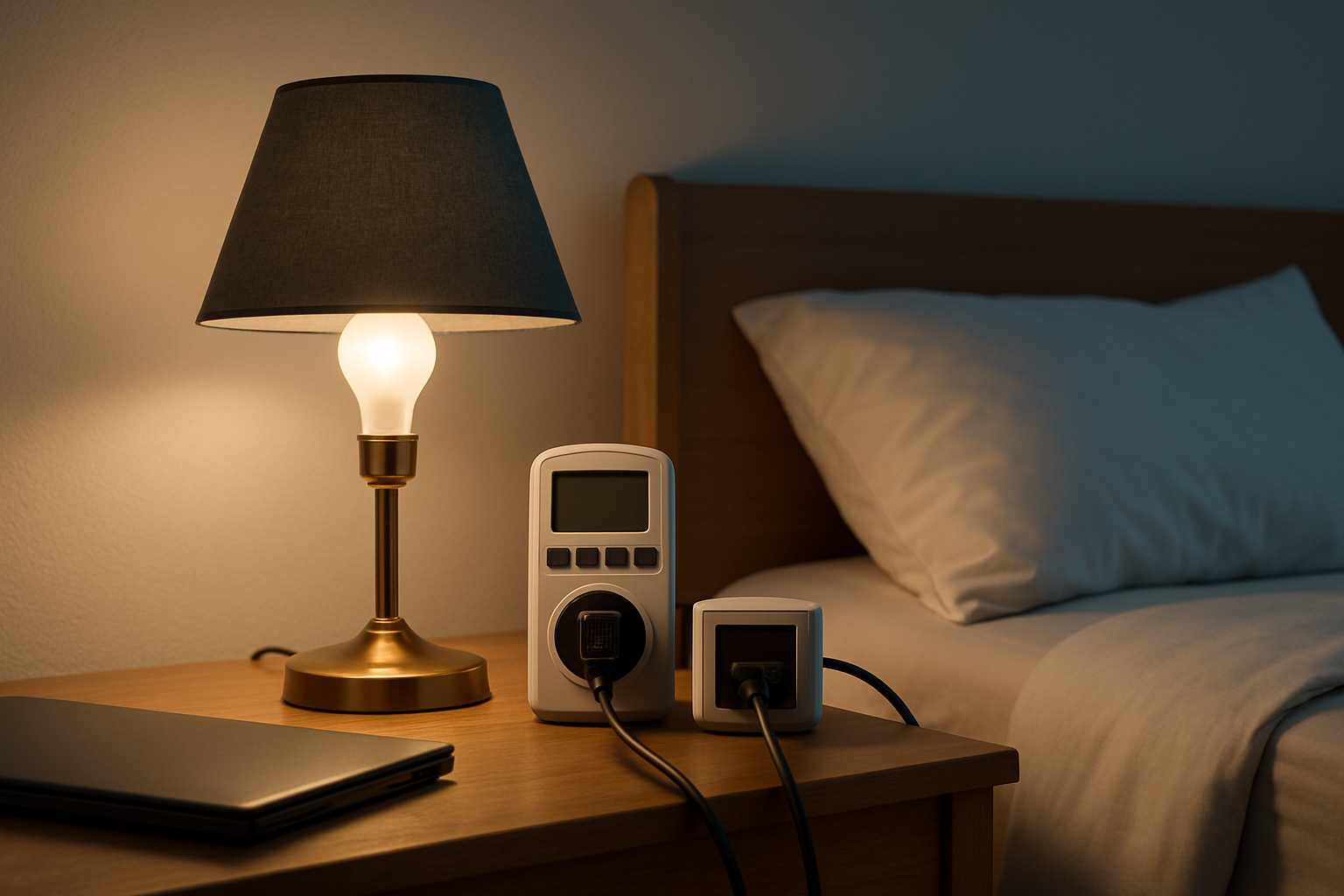
Understanding Nighttime Electricity Usage
Electricity consumption overnight often goes unnoticed, yet it can add significantly to your monthly energy bills. When we think of power consumption, we typically imagine kilowatt-hungry appliances running during the day, but there are numerous devices and systems that quietly draw power while we sleep. Identifying these sources of electricity usage is the first step to reducing energy costs and promoting a more energy-efficient home.
Main Contributors to Overnight Electricity Usage
Several household appliances and systems are the main culprits responsible for high electricity usage during the night. Understanding these contributors can help you make informed decisions on how to manage and reduce their power consumption.
- Heating and Cooling Systems: Depending on the season, HVAC systems can consume a large amount of energy overnight, particularly if they’re old or inefficient. According to recent data from the Energy Information Administration (EIA), heating and cooling account for nearly 50% of residential energy consumption.
- Refrigerators and Freezers: Operating around the clock to keep your food fresh, refrigerators and freezers are significant energy users. Energy Star reports that newer models are more efficient, potentially reducing energy usage by 15-20% compared to appliances that are over 15 years old.
- Lights: Lights left on in hallways, bathrooms, or porches can accumulate electricity usage. The US Department of Energy suggests using LED bulbs, which use at least 75% less energy than incandescent lighting.
- Electronic Devices on Standby: Devices such as TVs, computers, and gaming consoles in standby mode continue to draw power, known as ‘phantom load’. Energy.gov estimates that standby power accounts for 5-10% of residential electricity usage.
- Water Heaters: Especially in households with a higher demand for hot water, water heaters can be another major contributor. Tankless or on-demand water heaters use 24-34% less energy than standard water heaters according to the Department of Energy.
Strategies to Reduce Electricity Usage Overnight
Identifying the problem is just the start; reducing electricity usage overnight requires strategic changes in habits and investment in technology designed for better efficiency. Here are practical steps you can take to lower your overnight electricity consumption:
- Upgrade to Energy-Efficient Appliances: Investing in new, energy-efficient appliances like Energy Star-rated refrigerators and air conditioners can significantly cut down on electricity usage. For instance, a new refrigerator could use 500 kWh less per year than an outdated model.
- Utilize Smart Thermostats: Smart thermostats allow for setting temperature schedules and remotely controlling your home’s climate, potentially saving up to 15% on heating and cooling costs annually. Consider setting your thermostat to lower temperatures at night during the winter or higher during the summer.
- Adopt Energy-Saving Habits: Simple changes such as turning off lights whenever a room is not in use or unplugging electronics can contribute to noticeable savings. Program reminders or use automation to reduce forgetfulness.
- Use Timers for Electronics: Plug electronics and lamps into timers or smart plugs to ensure they're only in use when necessary. This eliminates unnecessary overnight power consumption.
- Install LED Lighting: Switching to LED lighting can reduce electricity use substantially. LEDs last 25 times longer and use 75% less energy than incandescent bulbs, contributing to substantial savings on your energy bill.
- Consider Solar Energy: Although initial costs can be high, solar panels provide a renewable energy source that can offset grid energy usage, especially if your system features battery storage to use excess daytime solar energy overnight.
Benefits of Managing Nighttime Electricity Usage
Beyond the obvious financial savings, reducing nighttime electricity consumption benefits the environment by lowering your carbon footprint and provides long-term sustainability for energy resources. Conservation efforts can help reduce the need for electricity generation, which often relies on the burning of fossil fuels.
A case study published in the journal Energy Policy in 2026 highlighted that households implementing night-time energy-saving measures reduced their electricity consumption by approximately 30% over a year, aligning with goals for reducing overall carbon emissions and contributing to a more sustainable future.
Conclusion
By understanding which appliances consume the most electricity overnight and applying strategies to reduce their energy impacts, homeowners can achieve significant savings and contribute to a greener environment. The key is to remain informed, proactive, and open to investing in new technologies that offer long-term advantages. These changes are not just beneficial to your pocket but also crucial steps towards a sustainable and energy-efficient future.
For more insights on energy usage and smart home technology, consider visiting resources like the U.S. Department of Energy and Energy Star.