Maximize Your Savings: The Smart Guide to Pay-Per-Mile Auto Insurance
Discover the benefits of pay per mile auto insurance, especially if you drive less than 25 miles per day. This innovative insurance model lets you save by paying only for the miles you drive, offering flexibility and potential cost benefits.
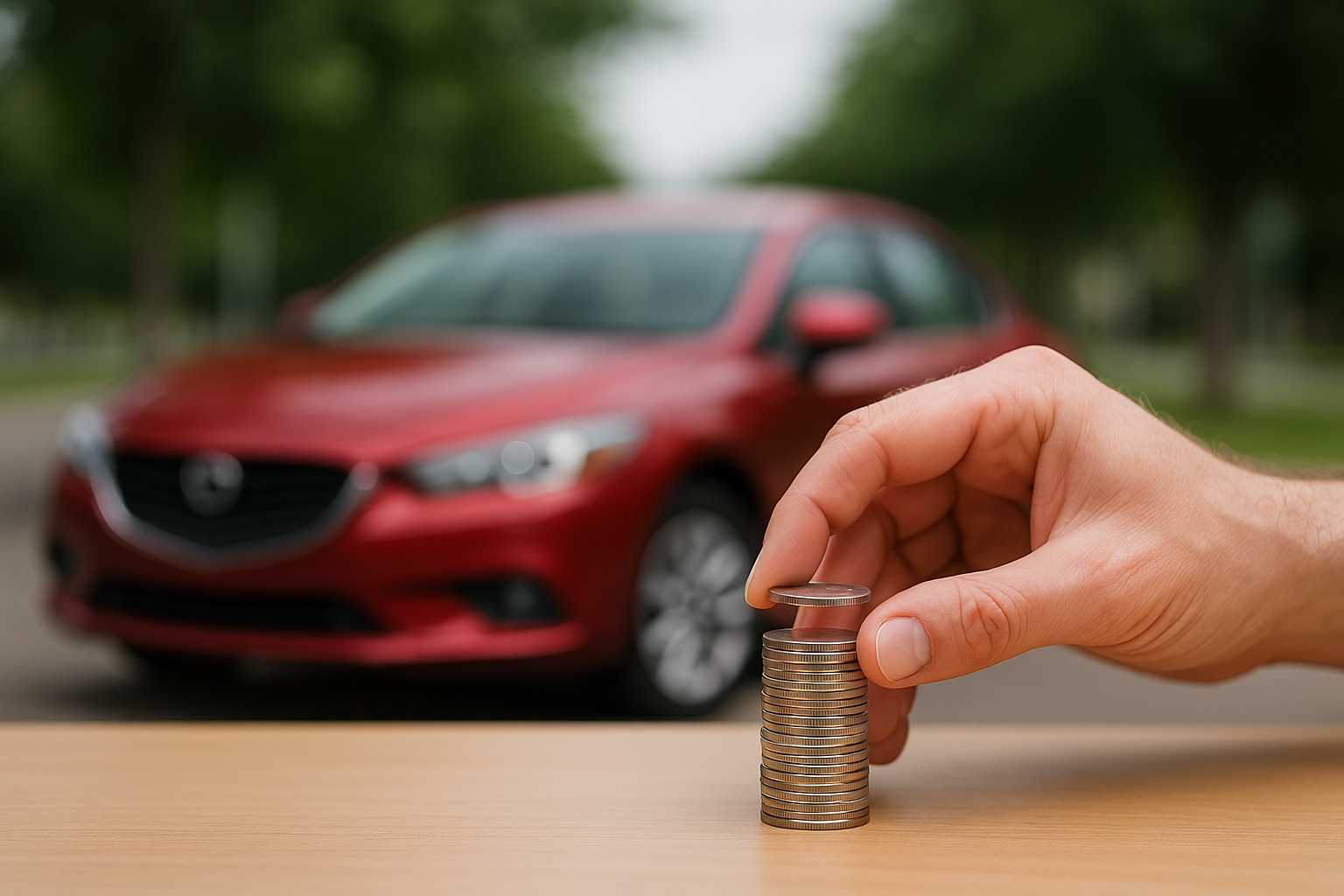
Understanding Pay Per Mile Auto Insurance
In recent years, the landscape of auto insurance has been evolving, and one of the more innovative solutions to hit the market is pay per mile auto insurance. If you're someone who drives less than 25 miles a day, you might be intrigued by this approach. But what exactly is pay per mile insurance, and how can it benefit you?
What is Pay Per Mile Auto Insurance?
Pay per mile auto insurance, sometimes called usage-based insurance, is a type of auto coverage where the premium is directly tied to the number of miles you drive. The concept is simple: the less you drive, the less you pay. This differs from traditional insurance models, which often use broader categories to determine premiums.
The idea is particularly appealing to those who do not frequently use their vehicles or have a short daily commute. Understanding how this insurance type works helps in deciding if it is suitable for your lifestyle.
How Does It Work?
With pay per mile insurance, the insurance company typically charges a base rate and then adds a per-mile charge. This requires the installation of a small device in your vehicle to track the actual miles driven. Many modern insurers also offer apps that sync with your car's onboard systems to collect this data.
- Base Rate: This is the fixed cost, regardless of mileage, and covers basic risk factors.
- Per-Mile Charge: This varies based on the policy but is generally calculated monthly by multiplying the driven miles by a set rate.
An example of this in practice could be a driver with a $30 base rate and a 5 cents per mile charge. If they drive 300 miles in a month, their total premium for that month would be $45.
Who Benefits Most from Pay Per Mile Insurance?
Pay per mile insurance is particularly beneficial for the following groups:
- Low-Mileage Drivers: Those who drive less than 25 miles per day are prime candidates, as their low usage can lead to significant savings.
- Urban Residents: Individuals living in cities with robust public transportation systems may find themselves using their cars sparingly.
- Remote Workers: In 2026, with the prevalence of remote working, many people may find themselves commuting less frequently.
Real-World Examples
Consider a case study involving Jane, a remote IT consultant. Jane uses her car mostly for grocery shopping and weekend trips. By switching to pay per mile insurance, Jane saves approximately 30% on her annual premium difference, compared to her previous traditional insurance plan.
Is Pay Per Mile Insurance Cost-effective?
Determining the cost-effectiveness of pay per mile insurance depends on your driving habits. Generally, drivers who cover fewer than 10,000 miles annually might benefit the most.
Recent Data and Statistics
Recent studies in 2026 reveal that over 60% of urban drivers are now considering pay per mile options due to its cost-saving potential and environmental benefits, as people are encouraged to drive less. Insurance Journal points out that environmental considerations have become a significant factor influencing drivers to switch.
Challenges and Considerations
Despite the benefits, there are some considerations when opting for pay per mile insurance:
- Tracking: Continuous tracking might raise privacy concerns for some users, despite measures taken by companies to ensure data security.
- Potential Overages: Occasional long trips might lead to unexpectedly high payments in particular months.
Balancing privacy with savings, as highlighted in a Forbes article, involves understanding how data is managed and utilized by your insurer.
Conclusion
For those driving less than 25 miles per day, pay per mile auto insurance presents a compelling, cost-effective alternative to conventional insurance. It's well-suited to individuals seeking savings and reduced environmental impact. However, it's crucial to assess your driving patterns and read the fine print to ensure it aligns with your lifestyle. With the continuous rise of telecommuting and urban living, the popularity of such insurance models is likely to grow, providing tailored solutions for an ever-changing world.