Maximize Your Space: Creative Ideas for Kitchen Countertop Organization
The right organizer can instantly transform a cluttered kitchen counter into a functional and streamlined workspace. To help you find the perfect fit, we're breaking down the best options for every need, from versatile tiered shelves for your coffee station to compact caddies for the sink area.
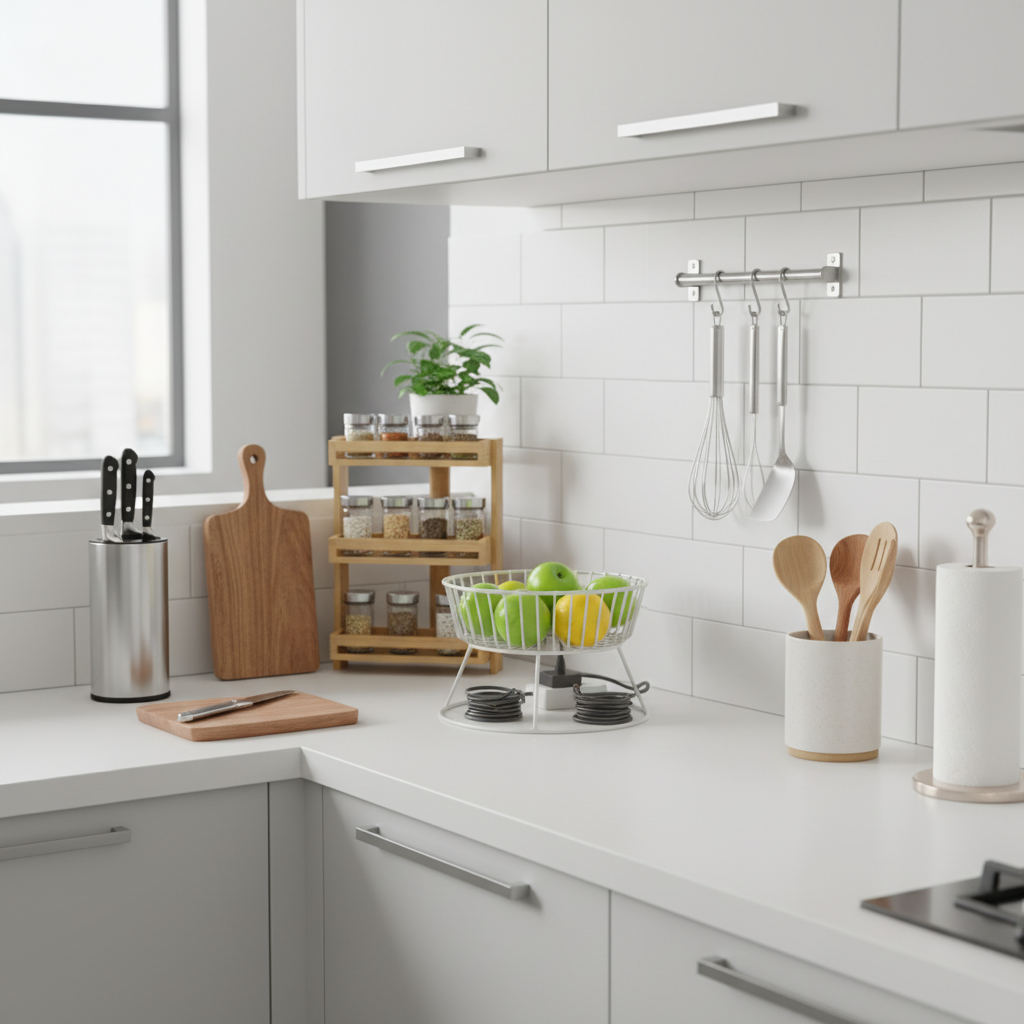
Exploring Common Types of Countertop Organizers
A cluttered kitchen counter can make cooking feel stressful and inefficient. The right organizers can transform this valuable workspace into a streamlined, functional, and visually appealing area. By understanding the different types of organizers available, you can select the perfect solutions to meet your specific needs, from storing everyday utensils to displaying fresh produce.
1. Utensil Caddies and Crocks
Utensil caddies, also known as crocks or holders, are one of the most fundamental countertop organizers. Their primary purpose is to provide immediate access to frequently used cooking tools like spatulas, wooden spoons, whisks, and tongs. Instead of rummaging through a crowded drawer, you can simply grab what you need mid-recipe. These organizers are typically cylindrical containers made from a variety of materials, including ceramic, stainless steel, wood, or even marble. Ceramic crocks add a touch of classic or rustic charm, while stainless steel offers a sleek, modern look that is durable and easy to clean.
When selecting a utensil crock, consider its size and stability. It should be wide and heavy enough at the base to prevent tipping over when filled with top-heavy tools. Some models feature dividers to help separate different types of utensils, while others may have a rotating base for even easier access. The ideal crock is tall enough to support the handles of your tools without letting them splay out messily, yet short enough that you can easily see and retrieve each item.
2. Spice Racks and Carousels
For anyone who loves to cook with flavor, a countertop spice rack is essential for keeping seasonings visible and within arm's reach of the prep area or stove. These organizers prevent the frustrating search for a specific spice jar in a packed cabinet. Countertop spice racks come in many forms, from simple multi-level tiered shelves that allow you to see the labels at a glance to rotating carousels (or "lazy Susans") that spin to bring the desired spice to the front. This accessibility not only saves time but also encourages more adventurous cooking.
The design you choose often depends on the size of your spice collection and the amount of counter space you have. Tiered racks are excellent for placing against a wall or backsplash, maximizing vertical space. Rotating carousels are great for corners or island countertops where they can be accessed from multiple sides. Materials range from classic wood and bamboo to modern stainless steel and clear acrylic, allowing you to match the rack to your kitchen's decor.
3. Countertop Dish Drying Racks
While some homes have the luxury of a dishwasher, many items still require hand-washing. A countertop dish drying rack provides a dedicated space for plates, bowls, glasses, and cutlery to air dry efficiently. Modern designs have evolved far beyond simple plastic trays. Many now feature designated slots for plates, hooks for glasses, and removable caddies for silverware. This separation allows for better air circulation, which speeds up drying time and helps prevent water spots.
A popular and space-saving variation is the over-the-sink dish rack. These models are designed to sit directly over the kitchen sink, allowing water to drip straight down, which keeps the countertop dry and clutter-free. They are often built with multiple tiers and compartments for holding everything from cutting boards to dish soap. For smaller kitchens, collapsible or roll-up silicone drying racks offer a minimalist solution that can be easily stored away when not in use.
4. Canister Sets
Canister sets serve a dual purpose: they provide airtight storage for perishable dry goods and act as a decorative element on the countertop. They are perfect for storing items you use daily, such as coffee, tea, sugar, flour, or pasta. By keeping these staples out of the pantry and on the counter, you streamline your morning coffee routine or baking preparations. The key feature of a good canister is an airtight seal, often made of silicone or rubber, which protects the contents from air, moisture, and pests, ensuring freshness.
These sets typically come in groups of three or four graduated sizes. Materials vary widely, from clear glass that lets you see the contents at a glance, to classic ceramic that adds a touch of farmhouse style, to sleek stainless steel for a contemporary look. Choosing the right material depends on both your aesthetic preference and practical needs—for example, opaque canisters are better for storing items like coffee beans that are sensitive to light.
5. Tiered Trays and Shelves
When counter space is limited, thinking vertically is the key to effective organization. Tiered trays, typically featuring two or three levels, are a fantastic way to consolidate a group of related items into a small footprint. They are incredibly versatile and can be used to create a dedicated coffee or tea station, holding mugs, sugar, and stir sticks. Alternatively, they can be placed near the stove to organize cooking oils, vinegars, and frequently used seasonings.
These organizers are not just functional but also highly decorative. They are often made from materials like rustic wood, galvanized metal, or elegant marble, allowing them to become a stylish focal point in the kitchen. By elevating items off the counter, they create visual interest while clearing up valuable workspace for food preparation.
6. Fruit Baskets and Bowls
A fruit bowl is a classic countertop fixture that encourages healthy eating by keeping fresh produce visible and accessible. Beyond a simple bowl, modern fruit organizers often come in the form of multi-level baskets or stands. A popular design is the two-tiered basket, which allows you to separate different types of fruit. For example, you can keep bananas on a hook at the top to prevent bruising, while apples and oranges rest in the baskets below. This separation and the open-wire design of many baskets also promote air circulation, which can help extend the freshness of your produce.
These baskets contribute to the kitchen's aesthetic, adding a pop of natural color. Materials like black wire metal, warm bamboo, or woven seagrass can complement various kitchen styles, from industrial to bohemian. It's a simple, effective way to organize produce that shouldn't be refrigerated while also adding a decorative touch.
The Evolution of Kitchen Organization: From Simple Jars to Modern Solutions
The concept of kitchen organization is far from new, but its form and function have changed dramatically over the centuries. In pre-modern kitchens, organization was purely utilitarian. Storage consisted of simple pottery, wooden boxes, and open shelving to hold essential grains, preserved goods, and cooking implements. The kitchen was a workshop, and efficiency was dictated by proximity to the hearth, not by aesthetics or clever storage solutions.
The 20th century, particularly the post-World War II era, brought about a revolution in kitchen design. The rise of built-in cabinetry and the concept of the "fitted kitchen" aimed to create a clean, uncluttered look by hiding everything behind closed doors. Countertops were meant to be clear, sterile surfaces. This design philosophy persisted for decades, with organization focused on what happened inside drawers and cupboards rather than on the counter itself.
In recent decades, however, there has been a significant cultural shift. The kitchen transformed from a hidden workspace into the social hub of the home. With open-concept living becoming the norm, the kitchen is now constantly on display. This shift created a new demand for organization solutions that are both highly functional and beautiful enough to be part of the decor. Today's countertop organizers reflect this trend, blending high-quality materials, thoughtful design, and specialized functions to create systems that make kitchens more efficient, personalized, and enjoyable to be in.
Frequently Asked Questions About Kitchen Countertop Organization
How can you maximize vertical space on a kitchen counter?
Maximizing vertical space is the most effective strategy for small kitchens or for anyone who wants to keep their countertops clear for prep work. The most direct approach is using tiered organizers, such as two or three-level trays or shelves. These allow you to stack items like mugs, spices, or oils in a single, compact footprint. Another excellent option is an under-cabinet organizer. These accessories attach to the bottom of your upper cabinets, creating storage for items like wine glasses, paper towels, or even a small spice rack, effectively using the "dead space" below.
You can also look beyond the countertop itself to the backsplash. Installing a magnetic knife strip, a small rail system with hooks for utensils, or a narrow floating shelf can move essential tools off the counter while keeping them easily accessible. This not only frees up valuable real estate but also creates a clean, professional look in the cooking zone.
What materials are best for kitchen organizers?
The best material for a kitchen organizer depends on a balance of durability, ease of cleaning, and your kitchen's style. Stainless steel and other metals are incredibly durable, resistant to rust, and easy to wipe down, making them ideal for areas near the sink or stove. They offer a clean, modern aesthetic. Wood and bamboo bring a sense of warmth and natural texture to the kitchen. Bamboo is a particularly popular choice as it is a sustainable, fast-growing resource that is naturally water-resistant. However, wood may require occasional oiling and should not be left in standing water.
Plastic and acrylic are lightweight, affordable, and come in a vast array of colors and styles. They are very easy to clean but can be prone to scratching and may not feel as premium as other materials. For items like utensil crocks and canisters, ceramic and glass are excellent choices. They are heavy and stable, and glass has the added benefit of allowing you to see what's inside. Their primary drawback is that they are breakable, so they should be handled with care.
What are some tips for decluttering countertops before organizing?
Before you purchase any organizers, the most crucial step is to declutter. A proven method is to take everything off your countertops and place it on a nearby table or the floor. This gives you a blank slate and allows you to see how much space you truly have. Once everything is removed, give the empty countertops and backsplash a thorough cleaning.
Next, sort every single item into three piles: keep on the counter, relocate to a cabinet or drawer, and donate or discard. Be honest with yourself about what you truly need within arm's reach every day. Small appliances used only on special occasions should be stored away. The same goes for duplicate utensils or novelty gadgets. Once you have determined what absolutely must stay on the counter, group these items into logical zones (e.g., coffee supplies, cooking oils and spices, prep tools). This final step will reveal exactly what type and size of organizer you need for each zone.
Final Thoughts on Choosing the Right Organizers
Ultimately, achieving an organized kitchen countertop is about creating a personalized system that supports your daily habits and cooking style. The goal is not simply to fill the space with containers, but to intentionally select pieces that enhance efficiency and reduce stress. By carefully considering your needs, evaluating your available space, and choosing organizers that balance functionality with aesthetics, you can transform your countertops from a source of clutter into a cornerstone of a well-managed and welcoming kitchen.
For more ideas and information on home organization, you can visit these resources: