Must-Have Innovations: Discover the Top 10 Intimate Gadgets for Enhancing Connection
The world of intimate tech has gone far beyond the basics, with smart gadgets now offering a whole new level of personalized experience. We've waded through the noise to bring you the top ten devices, comparing them on everything from innovative features and app integration to ergonomic design.
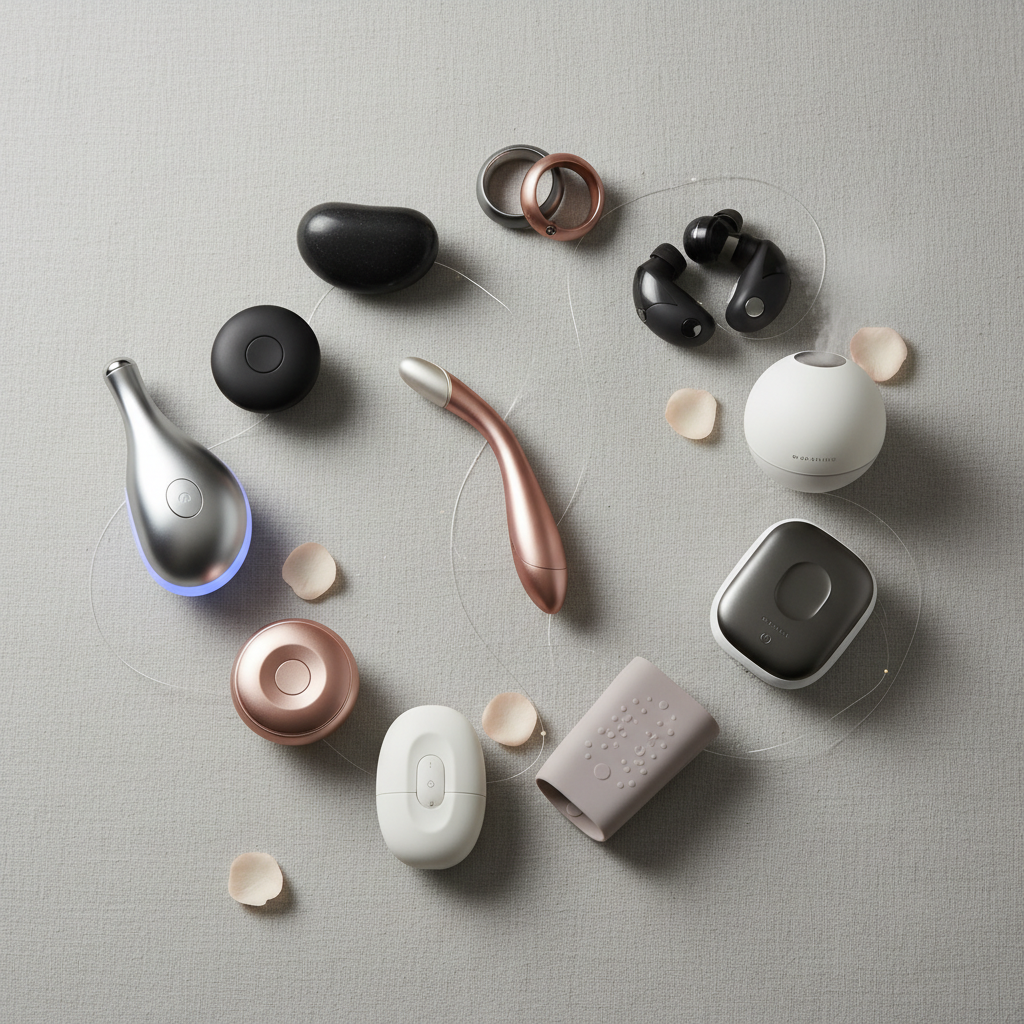
Top Ten Gadgets Of Intimate Devices
The world of personal wellness has seen a technological revolution, with intimate devices evolving from simple novelties into sophisticated gadgets. These modern tools incorporate advanced engineering, smart connectivity, and innovative materials to offer highly personalized and enhanced experiences. This list explores ten of the most notable types of intimate gadgets, focusing on the technology that sets them apart.
1. App-Controlled Vibrators
The integration of smartphone technology has transformed intimate devices, and app-controlled vibrators are at the forefront of this trend. These gadgets connect to a mobile application via Bluetooth, unlocking a world of customization that goes far beyond a few preset buttons. Users can create their own vibration patterns by simply drawing on their phone's screen, adjusting intensity and rhythm in real-time. This level of control allows for a deeply personalized experience tailored to individual preferences.
Furthermore, this connectivity enables long-distance intimacy. Partners can control the device from anywhere in the world with an internet connection, creating a sense of closeness despite physical separation. Many apps also feature sound-activated modes, where the device responds to music or a voice, and a library of user-created patterns that can be downloaded and synced. This blend of personalization, connectivity, and community sharing makes app-controlled vibrators a prime example of modern intimate technology.
2. Air-Pulse and Suction Stimulators
Moving away from traditional vibration, air-pulse stimulators utilize a completely different form of technology to create sensation. Instead of a motor causing a surface to vibrate, these devices use a small, oscillating membrane to generate gentle waves of air pressure. This technology, often patented under names like "Pleasure Air," creates a unique sucking and massaging feeling without direct contact. The result is a sensation that many users describe as more nuanced and intense than standard vibration.
The engineering behind these gadgets is precise. The nozzle is designed to create a perfect seal around the target area, allowing the air pulses to be focused effectively. Advanced models include multiple intensity levels and pattern variations, all controlled through a simple interface. The "autopilot" feature found in some versions intelligently varies the intensity, creating a spontaneous and unpredictable experience. This innovative approach represents a significant departure from conventional designs and has opened up new possibilities for personal wellness products.
3. Smart Kegel Trainers
Smart Kegel trainers merge health, wellness, and technology to help users strengthen their pelvic floor muscles. These devices, often made from body-safe silicone, contain sensitive biofeedback sensors that measure the pressure and duration of muscle contractions. The gadget connects to a smartphone app, which then translates this data into interactive games and guided exercise routines. This gamification turns what can be a mundane exercise into an engaging and motivating activity.
The app provides real-time feedback on performance, ensuring that the exercises are being done correctly and effectively. It tracks progress over time, showing improvements in strength, endurance, and control. By setting goals and providing a structured program, these smart trainers take the guesswork out of pelvic floor health. They are an excellent example of how technology can be harnessed to address a specific physiological need in a fun, interactive, and data-driven way.
4. Sonic Wave and Warming Vibrators
Sonic wave technology introduces another alternative to traditional rumbling vibrations. Instead of a motor with an offset weight, these devices use a powerful oscillator to emit sonic waves and pulses that travel deep into the body. This creates a resonant sensation that feels broader and more profound than surface-level vibrations. The concept is to stimulate not just the external nerve endings but also the internal structure, offering a completely different kind of experience.
Many of these advanced sonic devices also incorporate a warming feature. A small, regulated heating element gently raises the temperature of the device's head by a few degrees. This added warmth can help increase blood flow, relax muscles, and heighten sensitivity, making the sonic pulses feel even more effective. The combination of deep, resonant waves and gentle heat creates a complex and luxurious sensation that showcases the industry's focus on multi-sensory experiences.
5. Ergonomic Couples' Vibrators
Designed for use by two people simultaneously, couples' vibrators feature unique ergonomic shapes that allow for comfortable wear during intimacy. Typically C-shaped or U-shaped, these devices have two distinct ends: one for internal stimulation and another for external stimulation. The flexible design ensures a secure fit for a wide range of body types, allowing both partners to experience vibrations at the same time.
Modern versions of these gadgets are often controlled by a wireless remote or a smartphone app, allowing either partner to adjust the intensity and patterns without interrupting the moment. The use of powerful yet quiet motors is a key engineering challenge, ensuring the device is effective without being distracting. The focus on shared experience and ergonomic design makes these gadgets a popular choice for partners looking to explore new dimensions of intimacy together.
6. Automated and Interactive Strokers
Automated strokers represent a leap forward in male-focused intimate technology. These devices use a motorized mechanism to provide automated stroking motions, with settings for speed, stroke length, and patterns. High-end models connect to the internet and can synchronize with interactive videos. Using specialized software, the device's movements mimic the action on screen, creating a highly immersive and responsive experience.
The internal mechanics are complex, often involving a belt-driven or gear-driven system that can move smoothly and quietly across a wide range of speeds. The sleeves are typically made from soft, textured, and easy-to-clean materials designed to enhance sensation. The combination of powerful hardware and sophisticated software allows for an experience that is both automated and highly customizable, setting a new standard for interactive solo play.
7. Micro-Robotic Stimulators
At the cutting edge of intimate technology are devices that employ micro-robotics and biomimicry. Instead of relying on a single motor or vibration pattern, these gadgets use a series of small, independent motors and articulated parts to create complex and life-like motions. Some designs aim to mimic the sensations of a human tongue or fingers, using robotics to generate stroking, tapping, and "come-hither" gestures.
The engineering behind these devices is exceptionally advanced, requiring a deep understanding of both robotics and human anatomy. The goal is to create sensations that are unpredictable and organic, moving beyond the repetitive nature of standard vibrations. While still a niche category, the development of micro-robotic stimulators points to a future where intimate gadgets are capable of producing an ever-wider range of nuanced and realistic feelings.
8. Wearable and Discreet Vibrators
For those seeking adventure outside the bedroom, wearable vibrators offer a discreet way to enjoy stimulation on the go. These small, powerful devices are designed to be held in place by underwear, often with the help of a magnetic clip or an adhesive. Their slim profile and body-hugging shape make them virtually invisible under clothing, allowing for public or partner play without drawing attention.
Like many other modern gadgets, these are almost always controlled by a wireless remote or a smartphone app. This allows a partner to discreetly control the device from across a dinner table or a crowded room, adding an element of surprise and excitement. The key technological challenges are packing a powerful motor into a tiny, quiet package and ensuring a reliable wireless connection, both of which have been successfully addressed in recent models.
9. Temperature-Play Devices
Expanding on the simple warming feature, dedicated temperature-play devices offer both heating and cooling sensations. These gadgets use Peltier modules, which are thermoelectric components that can transfer heat from one side of the device to the other when electricity is applied. By reversing the current, the module can switch from heating to cooling, allowing for a dynamic range of temperatures.
This technology allows users to alternate between warm and cool sensations, creating a unique sensory experience that plays on the nerves' response to temperature changes. The devices are carefully regulated to ensure they operate within a safe and comfortable temperature range. This niche but growing category highlights the industry's continuous exploration of new ways to create sensation beyond traditional vibration.
10. Electro-Stimulation (E-Stim) Units
Electro-stimulation, or e-stim, offers a completely different modality of sensation based on mild electrical currents. A control unit generates low-voltage electrical pulses that are transmitted to the body via conductive pads, probes, or other electrodes. These pulses stimulate the nerve endings directly, creating a tingling, buzzing, or pulsing feeling that is distinct from mechanical vibration or pressure.
Modern e-stim units are highly sophisticated, offering precise control over the frequency, intensity, and pattern of the electrical pulses. Many units come with multiple channels, allowing users to stimulate different parts of the body simultaneously with varying sensations. While it requires a greater understanding of safety and proper use, e-stim technology provides an unparalleled level of sensory exploration for enthusiasts seeking experiences beyond the conventional.
The Technological Evolution of Intimate Devices
The history of intimate devices is a fascinating reflection of technological and social change. The earliest vibrators, appearing in the late 19th century, were cumbersome, electricity-powered medical devices marketed as a cure for a variety of ailments. They were heavy, loud, and offered little more than a single, powerful vibration. For decades, innovation was slow, with most changes being cosmetic or related to battery technology, shifting from bulky plug-in models to more portable, battery-operated ones.
The true revolution began in the late 20th and early 21st centuries. The first major shift was the introduction of body-safe materials like medical-grade silicone, which replaced porous and less hygienic materials. This made devices safer, more comfortable, and easier to clean. The second wave of innovation came with the digital age. The integration of microprocessors allowed for multiple vibration patterns and intensity levels, controlled by simple push-buttons. This was followed by the wireless revolution, which brought remote controls and, eventually, Bluetooth connectivity and smartphone app integration. This convergence of material science, digital control, and smart technology has transformed simple vibrating objects into the sophisticated, multi-functional gadgets we see today.
Related Questions and Considerations
What Materials Are Used in Modern Intimate Gadgets?
Material science is a cornerstone of the modern intimate device industry. The gold standard is body-safe, medical-grade silicone. This material is non-porous, meaning it won't harbor bacteria, making it exceptionally hygienic and easy to clean. It's also hypoallergenic, phthalate-free, and has a soft, skin-like texture that is comfortable to the touch. Because it is chemically inert, it won't break down when used with water-based lubricants.
Other common materials include ABS plastic, which is often used for the casing and controls of a device due to its rigidity and durability. Some high-end devices may feature metal components, such as stainless steel or aluminum, for temperature play or for a weightier, more luxurious feel. Glass is another popular option, prized for its non-porous nature and its ability to be heated or cooled for temperature sensations. The emphasis is always on safety, hygiene, and user comfort.
How Do App-Controlled Devices Enhance the Experience?
App control elevates an intimate device from a simple tool to an interactive platform. The most immediate benefit is the near-infinite level of customization. Instead of being limited to a handful of pre-programmed patterns, users can create their own by simply swiping a finger across a screen, perfectly matching the rhythm and intensity to their desires. This creates a more responsive and personal experience.
The second major enhancement is connectivity. For long-distance couples, app control bridges the physical gap by allowing a partner to take control of the device from anywhere in the world. This fosters a sense of shared intimacy and connection. Furthermore, many apps build a community aspect, allowing users to anonymously share and download patterns. Some apps also feature sound-activated modes that sync vibrations to music, a partner's voice, or ambient noise, adding another layer of immersive, multi-sensory engagement.
Conclusion
The landscape of intimate devices has been fundamentally reshaped by technological innovation. From the introduction of body-safe materials to the integration of smart, app-controlled features, today's gadgets offer an unprecedented level of personalization, variety, and interactivity. Technologies like air-pulse, sonic waves, and biofeedback have moved beyond simple vibration to create entirely new forms of sensation. As engineering and connectivity continue to advance, these personal wellness tools are poised to become even more sophisticated, intuitive, and integrated into our connected lives.